

Whole body MRI screening has become an increasingly popular health assessment option, promising a comprehensive look inside your body without radiation exposure. This advanced imaging technique appeals to health-conscious individuals, those with family histories of serious diseases, and anyone curious about their internal health status before symptoms appear.
This guide is designed for people considering whole body MRI screening who want to understand what they’re getting into before making this significant health and financial decision. We’ll explore the key health benefits this technology offers, including early detection capabilities and peace of mind for worried patients. You’ll also learn about the clinical limitations that can lead to false positives, unnecessary anxiety, and diagnostic challenges that even experienced radiologists face. Finally, we’ll help you figure out if you’re an ideal candidate for this screening based on your risk factors, health goals, and personal circumstances.
Understanding Whole Body MRI Screening Technology
Advanced imaging capabilities beyond traditional scans
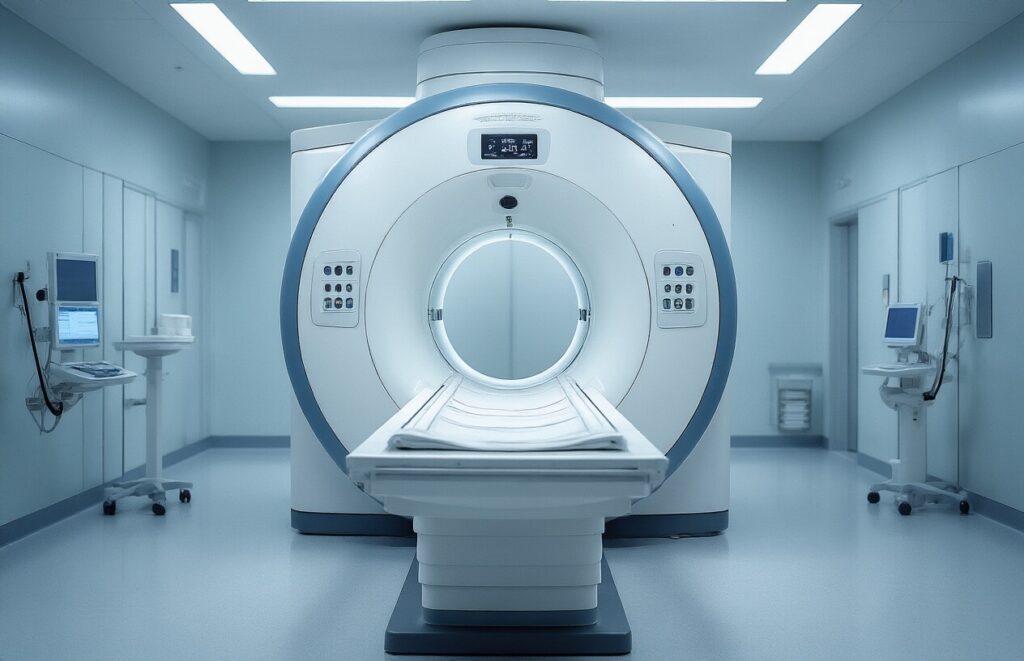
Whole body MRI leverages powerful magnetic fields and radio waves to create detailed cross-sectional images of organs, tissues, and blood vessels throughout the entire body. Unlike conventional imaging that focuses on specific areas, this technology captures comprehensive anatomical data from head to toe, revealing structural abnormalities, inflammatory processes, and potential malignancies that might be missed during targeted examinations.
Non-invasive full-body assessment in single session
Patients undergo complete body screening in approximately 60-90 minutes without needles, contrast agents, or invasive procedures. The scanning process requires lying still inside the MRI machine while sophisticated software maps internal structures, making it particularly valuable for individuals seeking preventive health assessments or those with family histories of cancer who want regular monitoring without repeated exposure to ionizing radiation.
High-resolution detection of abnormalities across multiple organs
Modern MRI scanners produce images with exceptional clarity, distinguishing between healthy and abnormal tissues across the brain, spine, chest, abdomen, and pelvis simultaneously. This comprehensive approach can identify early-stage tumors, vascular abnormalities, organ dysfunction, and degenerative changes before symptoms appear, providing physicians with detailed information about multiple body systems in one examination.
Radiation-free alternative to CT scans
Whole body MRI eliminates cancer risks associated with repeated radiation exposure from CT scans while delivering superior soft tissue contrast. This safety profile makes it ideal for younger patients, individuals requiring frequent monitoring, and those concerned about cumulative radiation effects from multiple diagnostic procedures over their lifetime.
Key Health Benefits of Comprehensive MRI Screening
Early detection of cancers before symptoms appear
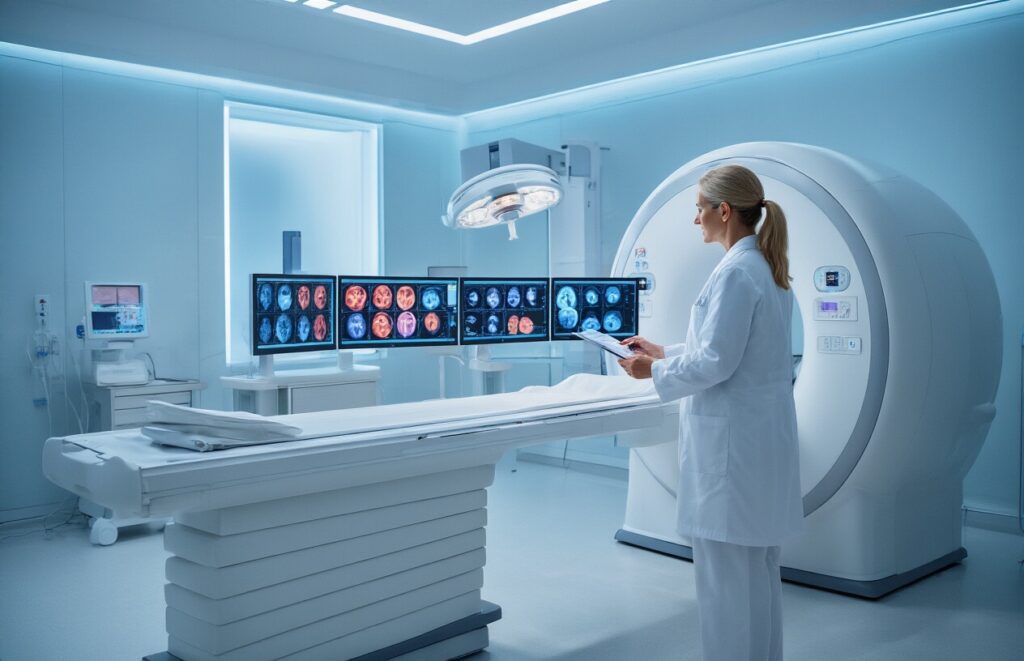
Whole body MRI screening excels at detecting malignancies in their earliest stages, often years before patients experience symptoms. This technology can identify tumors as small as a few millimeters across multiple organ systems simultaneously, including brain, liver, kidney, and soft tissue cancers that traditional screening methods might miss.
Identification of cardiovascular abnormalities and aneurysms
MRI screening reveals critical cardiovascular conditions like aortic aneurysms, arterial stenosis, and structural heart defects without radiation exposure. The technology provides detailed images of blood vessels throughout the body, detecting dangerous dilations and blockages that could lead to life-threatening events if left undiagnosed and untreated.
Discovery of organ dysfunction and structural irregularities
Beyond cancer detection, comprehensive MRI screening uncovers a wide range of organ abnormalities including liver disease, kidney dysfunction, spinal disorders, and joint deterioration. This broad diagnostic capability allows healthcare providers to address multiple health concerns simultaneously, creating opportunities for early intervention and preventive care strategies.
Clinical Limitations and Diagnostic Challenges

High rate of false positive findings requiring follow-up
Whole body MRI scans often pick up benign abnormalities that appear concerning on imaging, leading to unnecessary anxiety and additional testing. These incidental findings can trigger a cascade of follow-up appointments, biopsies, and specialized imaging that may ultimately reveal harmless conditions.
Inability to detect all types of cancers effectively
Certain cancers, particularly early-stage lung cancer and some gastrointestinal malignancies, don’t show up well on MRI scans. The technology also struggles with detecting cancers in hollow organs and may miss tumors smaller than specific size thresholds, creating a false sense of security for patients.
Limited specificity for certain conditions
Time-intensive scanning process
High cost compared to targeted imaging
| Imaging Type | Average Cost | Scan Duration |
| Whole Body MRI | $3,000-$5,000 | 60-90 minutes |
| Targeted MRI | $1,000-$3,000 | 30-45 minutes |
| CT Scan | $500-$1,500 | 10-30 minutes |
The comprehensive nature of whole body MRI comes with significant financial and time commitments that may not be justified for asymptomatic individuals without specific risk factors.
Ideal Candidates for Whole Body MRI Screening

Individuals with strong family history of multiple cancers
People with relatives who developed different types of cancer, especially at young ages, face elevated risks that make whole body MRI screening particularly valuable. When multiple family members have been diagnosed with various cancers – such as breast, ovarian, colon, and pancreatic cancers – this pattern suggests potential genetic factors that increase susceptibility across multiple organ systems.
High-risk patients with genetic predispositions
Carriers of genetic mutations like BRCA1, BRCA2, Lynch syndrome genes, or TP53 mutations benefit significantly from comprehensive screening protocols. These individuals have substantially higher lifetime cancer risks compared to the general population, often developing tumors at younger ages and in multiple locations. Regular whole body MRI screening can detect early-stage cancers before symptoms appear, when treatment outcomes are most favorable.
Executive health programs for comprehensive wellness assessment
Corporate executives and high-net-worth individuals increasingly incorporate whole body MRI into their preventive health strategies. These comprehensive screenings fit well within executive physical programs, providing detailed baseline health assessments that can identify potential issues before they impact performance or require extensive treatment. Many private healthcare concierge services now offer these screenings as part of premium wellness packages.
Making an Informed Decision About Screening

Consulting with healthcare providers about personal risk factors
Before scheduling a whole body MRI, discuss your family history, current health status, and personal concerns with your doctor. They can evaluate whether screening makes sense based on your age, genetic predispositions, and existing conditions. Your physician knows your medical background best and can help determine if this comprehensive screening aligns with your individual health goals.
Understanding insurance coverage and out-of-pocket costs
Most insurance plans don’t cover preventive whole body MRI screening, leaving patients responsible for the full cost, typically ranging from $1,000 to $5,000. Contact your insurance provider directly to confirm coverage details and understand any potential reimbursement options. Factor this expense into your healthcare budget and consider whether the financial investment matches your personal health priorities and risk tolerance.
Weighing benefits against potential anxiety from incidental findings
Whole body MRI often reveals benign abnormalities that require follow-up testing or monitoring, potentially creating unnecessary worry. Consider your personality and how you typically handle medical uncertainty before proceeding. While early detection can be lifesaving, some people find the stress of managing incidental findings outweighs the peace of mind they hoped to gain from screening.

Whole body MRI screening offers a powerful window into your health, capable of detecting conditions early when treatment is most effective. The technology provides detailed images without radiation exposure, making it safer than CT scans for comprehensive health monitoring. However, it’s not perfect – the high cost, potential for false positives, and inability to catch all types of cancer mean it’s not right for everyone.
The best candidates are typically those with strong family histories of cancer, genetic predispositions, or specific risk factors that warrant closer monitoring. If you’re considering this screening, talk with your doctor about whether your personal health profile makes you a good fit. Remember that no single test can guarantee perfect health, but for the right person, whole body MRI can be a valuable tool in staying ahead of potential health issues.