

Turning 40 marks a shift in your health journey—your body needs different care, and whole body health screening after 40 becomes your best defense against serious illness. This guide is for adults who want to stay ahead of health problems and catch issues before they become life-threatening.
Regular screenings can literally save your life by finding cancer, heart disease, and other conditions when they’re most treatable. We’ll walk through the essential cardiovascular tests that check your heart’s health and explore which cancer screenings you need based on your age and risk factors. You’ll also learn about metabolic and hormonal assessments that reveal hidden problems affecting your energy, weight, and overall well-being.
By the end, you’ll know exactly which tests to discuss with your doctor and how to create a screening schedule that fits your unique health profile.
Why Health Screening Becomes Critical After 40

Age-related disease risk increases significantly
Your body starts changing after 40 in ways that increase your risk of disease. Heart disease rates climb sharply, cancer becomes more common, and diabetes affects one in four adults over 45. Bone density decreases, blood pressure rises, and metabolism slows. These changes happen gradually, making them easy to miss until problems become serious.
Early detection saves lives and reduces treatment costs
Catching diseases early dramatically improves your chances of successful treatment. Stage 1 breast cancer has a 99% five-year survival rate, while stage 4 drops to 27%. Early intervention also costs less – treating pre-diabetes runs about $500 annually, while managing full diabetes can cost $16,000 yearly. Simple screenings can spot problems before they require expensive, invasive treatments.
Many serious conditions show no symptoms initially
High blood pressure earns its nickname “silent killer” because most people feel perfectly fine while it damages their arteries. Early-stage cancers, diabetes, and heart disease often develop without warning signs. By the time symptoms appear, these conditions have often progressed significantly. Regular screening catches these hidden threats before they cause irreversible damage.
Prevention is more effective than treatment
Stopping disease before it starts works better than trying to cure it later. Blood pressure medications prevent strokes more effectively than treating them afterward. Removing precancerous polyps during colonoscopy prevents colorectal cancer entirely. Lifestyle changes based on screening results can reverse pre-diabetes and reduce heart attack risk by 50%. Prevention saves both your health and your wallet.
Essential Cardiovascular Health Tests
Blood pressure monitoring and heart disease prevention
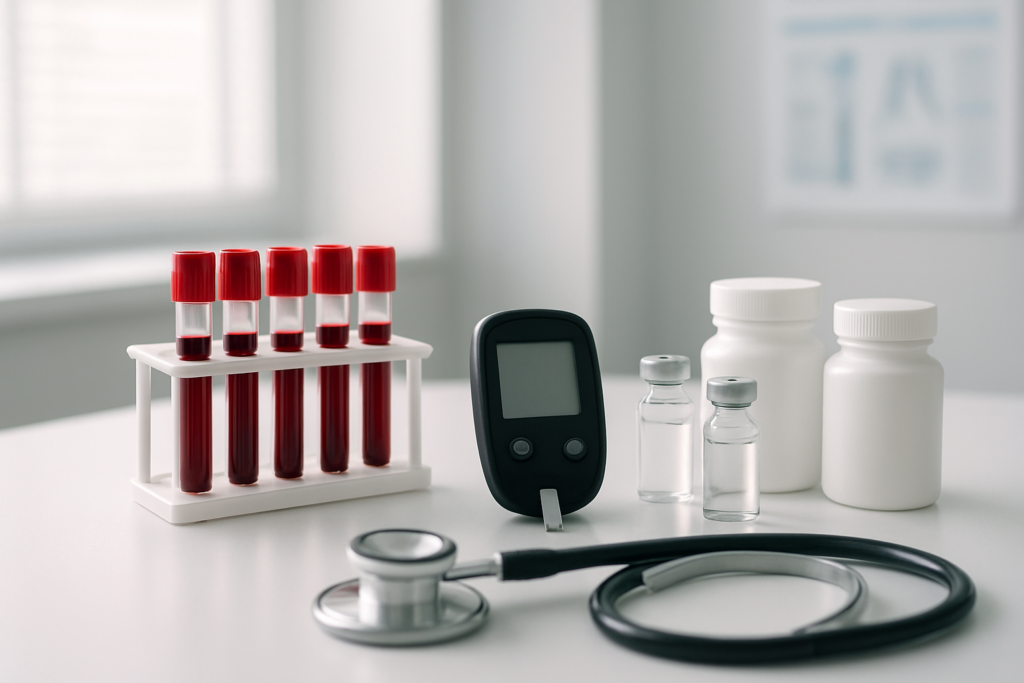
Regular blood pressure checks become your first line of defense against cardiovascular disease after 40. High blood pressure silently damages arteries and organs, earning its reputation as the “silent killer.” Home monitoring devices provide daily readings, while annual professional assessments track long-term trends and medication effectiveness when needed.
Cholesterol panels to assess stroke and heart attack risk
Lipid panels reveal your complete cholesterol profile, including LDL, HDL, and triglyceride levels that directly predict heart attack and stroke risk. These comprehensive blood tests should be done every 3 to 5 years, or annually if your levels are elevated. Your doctor uses these numbers, along with other risk factors, to determine whether lifestyle changes or medications can prevent cardiovascular events before they occur.
Cancer Screening Tests That Detect Problems Early

Mammograms for Breast Cancer Detection in Women
Women should begin annual mammograms at age 40, though those with family history may need earlier screening. These X-ray examinations can detect tumors years before they become palpable, significantly improving survival rates when cancer is caught early.
Colonoscopies to Prevent and Detect Colorectal Cancer
Starting at age 45, colonoscopies remain the gold standard for colorectal cancer screening. This procedure allows doctors to remove precancerous polyps before they develop into cancer, making it both preventive and diagnostic. Alternative options include stool-based tests every one to three years.
Skin Cancer Screenings and Self-Examination Techniques
Annual dermatologist visits become crucial after 40, especially for those with sun damage or family history. Monthly self-examinations using the ABCDE method (Asymmetry, Border irregularity, Color variation, Diameter changes, Evolving appearance) help identify suspicious moles early. Pay special attention to areas often missed like scalp, between toes, and back.
Prostate Cancer Screening Options for Men
Men should discuss prostate screening with their doctor starting at age 50, or earlier if they’re African American or have a family history. The PSA blood test, combined with digital rectal examination, provides the most comprehensive assessment. While controversial, shared decision-making between patient and physician determines the best approach based on individual risk factors.
Metabolic and Hormonal Health Assessments

Diabetes screening through blood glucose tests
Regular blood sugar testing becomes essential after 40, when insulin resistance often begins developing silently. The hemoglobin A1C test provides a three-month average of blood glucose levels, while fasting glucose tests catch early warning signs before diabetes fully develops.
Thyroid function tests for energy and metabolism
Your thyroid controls everything from heart rate to weight management, making TSH and T4 tests critical for anyone experiencing unexplained fatigue, weight changes, or mood shifts. These simple blood tests can reveal hypothyroidism or hyperthyroidism, conditions that affect millions but often go undiagnosed for years.
Bone density scans to prevent osteoporosis
DEXA scans measure bone mineral density in your spine and hips, identifying osteoporosis risk before fractures occur. Women should begin screening at menopause, while men can start at 70, though earlier testing makes sense if you have risk factors like family history or long-term steroid use.
Creating Your Personalized Screening Schedule

Working with your doctor to determine test frequency
Your primary care physician knows your medical history better than anyone and can recommend the right screening timeline for your unique situation. Most doctors follow established guidelines from medical organizations, but they’ll adjust recommendations based on your risk factors, previous test results, and current health status. Regular check-ins help ensure you’re not missing critical screenings or overdoing unnecessary tests for your specific circumstances.
Family history factors that influence screening recommendations
Your family’s health history can significantly change when and how often you need certain screenings. If close relatives had cancer, heart disease, or diabetes, your doctor might recommend starting screenings earlier or getting them more frequently. Keep a detailed family medical history that includes ages at diagnosis and causes of death for parents, siblings, and grandparents. This information helps your healthcare team create a more targeted screening approach.
Tracking and organizing your health screening results
Create a simple system to track your test results, screening dates, and next appointment schedules. Many healthcare systems offer patient portals where you can access lab results and imaging reports digitally. Keep a folder with copies of important results and maintain a spreadsheet or app that reminds you when screenings are due. This organization helps you stay on top of your health timeline and makes it easier to share information with new doctors or specialists.

Getting regular health screenings after 40 isn’t just smart—it’s essential. Your body starts changing in ways that can put you at higher risk for serious conditions like heart disease, cancer, and diabetes. The good news is that catching these problems early gives you the best chance to treat them successfully. From checking your blood pressure and cholesterol to getting mammograms and colonoscopies, these tests act like an early warning system for your health.
Don’t wait for symptoms to show up before you take action. Work with your doctor to create a screening schedule that fits your age, family history, and personal risk factors. Some tests you’ll need annually, while others might be every few years. The key is staying consistent and not skipping appointments, even when you feel perfectly healthy. Your future self will thank you for taking these steps now to protect your health for years to come.