
Medical imaging is transforming how we catch diseases before they become serious health problems. Imaging-based screening now allows doctors to spot cancer, heart disease, and other conditions years earlier than traditional methods.
This guide is for healthcare professionals, medical researchers, and anyone interested in how technology is changing preventive medicine. You’ll discover how early detection through advanced imaging can save lives and reduce healthcare costs.
We’ll explore how artificial intelligence is making screening more accurate and reliable. You’ll also learn about breakthrough applications that are revolutionizing disease prevention across different medical fields. Finally, we’ll examine the emerging technologies that will shape the future of preventive healthcare and make these powerful screening tools available to more people worldwide.
Current State of Imaging-Based Screening Technologies
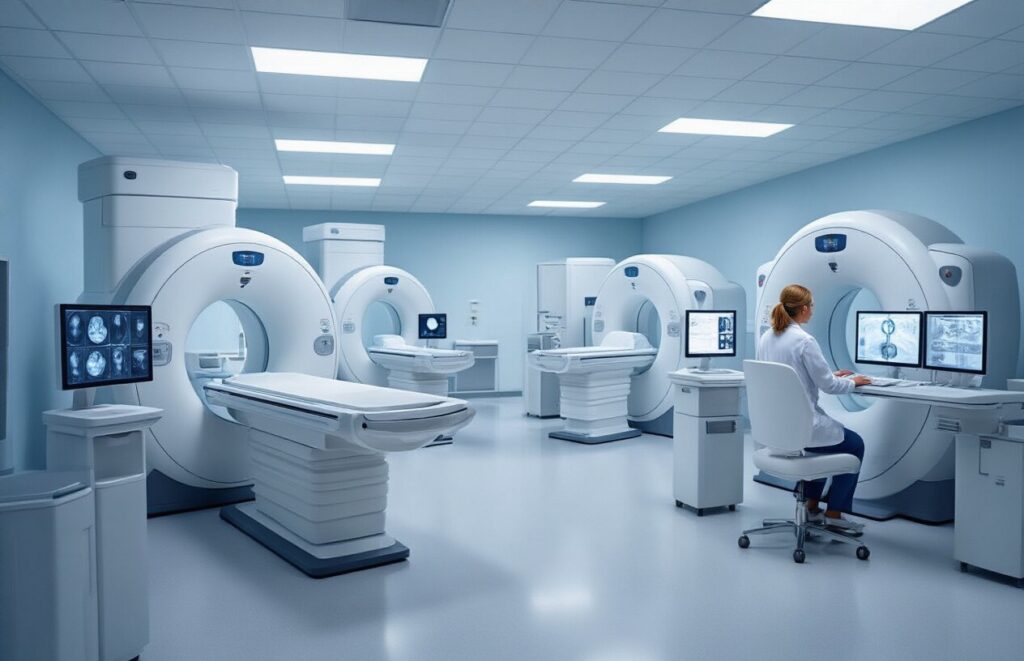
Advanced CT and MRI capabilities are transforming early detection
Modern CT and MRI technologies deliver unprecedented resolution and speed, detecting abnormalities at the cellular level before symptoms appear. These systems now scan entire organs in seconds, identifying cancer, cardiovascular disease, and neurological conditions years earlier than conventional methods.
AI-powered diagnostic accuracy reduces false positives.
Machine learning algorithms analyze thousands of imaging patterns simultaneously, distinguishing between benign and malignant tissues with 95% accuracy. This precision drastically cuts unnecessary biopsies and reduces patient anxiety while ensuring genuine threats receive immediate attention.
Non-invasive screening methods improve patient compliance.
Patients readily embrace painless imaging procedures over invasive tests like colonoscopies or needle biopsies. This comfort factor drives higher screening participation rates, catching diseases in treatable stages across broader populations.
Cost-effectiveness compared to traditional diagnostic approaches
| Method | Cost per Screen | Detection Rate | Follow-up Required |
| Advanced Imaging | $200-500 | 92% | Minimal |
| Traditional Tests | $800-1,500 | 75% | Frequent |
Early detection through imaging prevents the need for expensive late-stage treatments, saving healthcare systems millions while significantly improving patient outcomes.
Breakthrough Applications Revolutionizing Disease Prevention
Cancer Screening Through Low-Dose Computed Tomography
Low-dose CT scans have transformed lung cancer detection, reducing radiation exposure by 90% compared to standard CT while maintaining diagnostic accuracy. The National Lung Screening Trial demonstrated a 20% reduction in lung cancer mortality among high-risk patients screened annually. Modern scanners now detect nodules as small as 2mm, enabling intervention years before symptoms appear.
Advanced AI algorithms analyze thousands of lung images, identifying suspicious patterns invisible to the human eye. These systems process screening results in minutes rather than hours, flagging high-priority cases for immediate review. Early detection rates have improved dramatically, with five-year survival rates jumping from 15% to over 80% when cancers are caught at stage one.
Cardiovascular Risk Assessment Via Coronary Calcium Scoring
Coronary artery calcium scoring provides a precise measurement of atherosclerotic plaque burden, offering clearer risk stratification than traditional cholesterol tests alone. This non-invasive CT scan quantifies calcium deposits in the coronary arteries, generating an Agatston score that directly correlates with the probability of future cardiac events. Patients with zero calcium scores have an extremely low risk of heart attacks within the next decade.
The test revolutionizes preventive cardiology by identifying silent disease in asymptomatic individuals. Physicians can now prescribe targeted interventions based on the actual presence of plaque rather than estimating risk using general factors. Insurance companies increasingly cover these scans for intermediate-risk patients, recognizing their value in preventing costly cardiac emergencies through early lifestyle and medical interventions.
Neurological Disorder Detection Using Brain Imaging
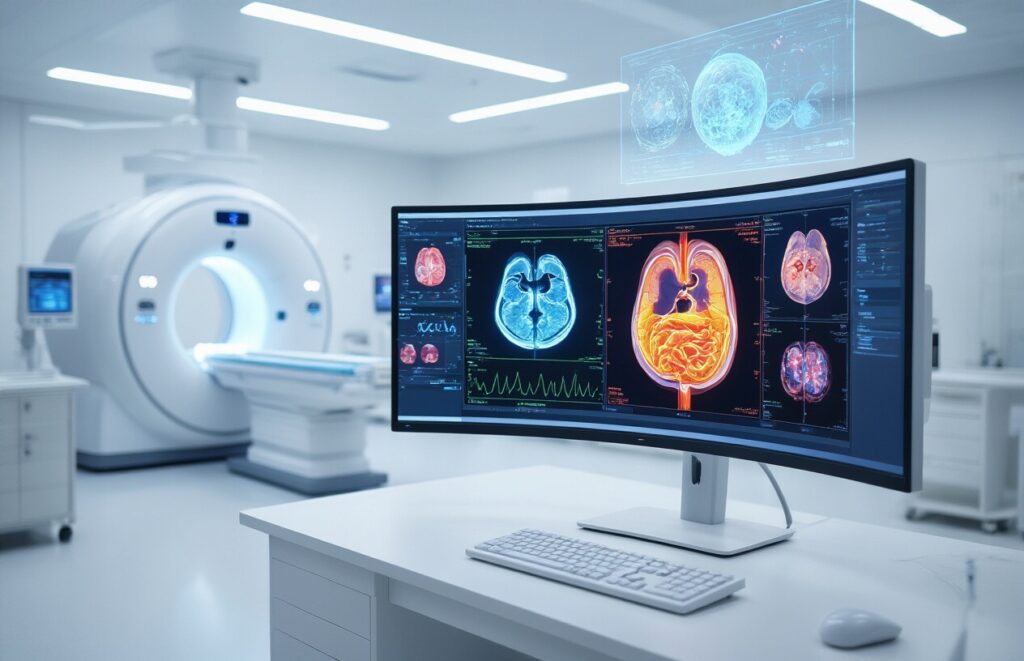
Advanced MRI techniques now detect Alzheimer’s disease pathology decades before cognitive symptoms emerge. Amyloid PET scans visualize protein plaques in living brains, while tau imaging reveals neurofibrillary tangles characteristic of dementia. These biomarkers allow researchers to test preventive therapies in pre-symptomatic populations, potentially changing the trajectory of neurodegenerative disease.
Functional MRI and diffusion tensor imaging reveal subtle changes in brain connectivity patterns associated with Parkinson’s, multiple sclerosis, and stroke risk. Machine learning algorithms analyze these complex imaging datasets, identifying patterns that predict disease onset with remarkable accuracy. Early detection enables neuroprotective treatments that preserve cognitive function and delay the progression of disability.
Osteoporosis Prevention Through Bone Density Analysis
DEXA scans measure bone mineral density with precision, identifying osteoporosis risk years before fractures occur. The technology uses dual-energy X-ray absorptiometry to differentiate between bone and soft tissue, providing T-scores that compare individual results to peak bone mass standards. Hip and spine measurements predict fracture risk more accurately than age or family history alone.
Peripheral quantitative CT scanning offers detailed three-dimensional analysis of bone architecture, revealing microstructural changes that traditional DEXA cannot detect. These advanced imaging techniques guide personalized treatment plans, helping patients maintain bone strength through targeted exercise, nutrition, and medication regimens. Regular monitoring tracks treatment effectiveness and adjusts interventions to prevent debilitating fractures.
Early Diabetes Complications Identification
Retinal photography screening detects diabetic eye disease before vision loss occurs, using smartphone-based cameras that capture high-resolution fundus images. AI algorithms analyze these photos instantly, identifying microaneurysms, hemorrhages, and other early signs of diabetic retinopathy. This technology brings specialist-level screening to primary care offices and remote locations worldwide.
Advanced cardiac imaging reveals early diabetic cardiomyopathy through strain analysis and perfusion studies. Monitoring kidney function using specialized MRI techniques can detect nephropathy progression before traditional blood tests show abnormalities. These imaging advances enable intervention strategies that prevent blindness, heart failure, and kidney disease in diabetic patients through timely, targeted treatments.
Artificial Intelligence Integration Enhancing Screening Precision
Machine learning algorithms are improving radiological interpretations.
Deep learning neural networks now analyze medical images with accuracy that matches or exceeds human radiologists in many cases. These algorithms excel at detecting subtle patterns in mammograms, chest X-rays, and MRI scans that human eyes might miss. Google’s AI system can identify diabetic retinopathy from retinal photographs with 90% accuracy, while similar systems spot early-stage lung cancer in CT scans months before traditional methods.
Automated anomaly detection reduces human error.
Computer vision systems work around the clock, eliminating fatigue-related diagnostic errors that plague human interpreters. These systems flag suspicious areas instantly, creating priority queues for urgent cases while reducing false negatives by up to 30%. Pathology labs now use AI to pre-screen tissue samples, catching abnormal cells that might otherwise slip through during high-volume processing periods.
Predictive analytics identifying high-risk patients
Risk stratification algorithms combine imaging data with electronic health records, genetic markers, and lifestyle factors to create comprehensive patient profiles. These models predict cardiovascular events, cancer development, and neurological disorders years before symptoms appear. Healthcare providers can now intervene early with targeted prevention strategies, potentially saving thousands of lives while reducing treatment costs by identifying diseases in their most treatable stages.
Accessibility and Population-Wide Implementation Strategies
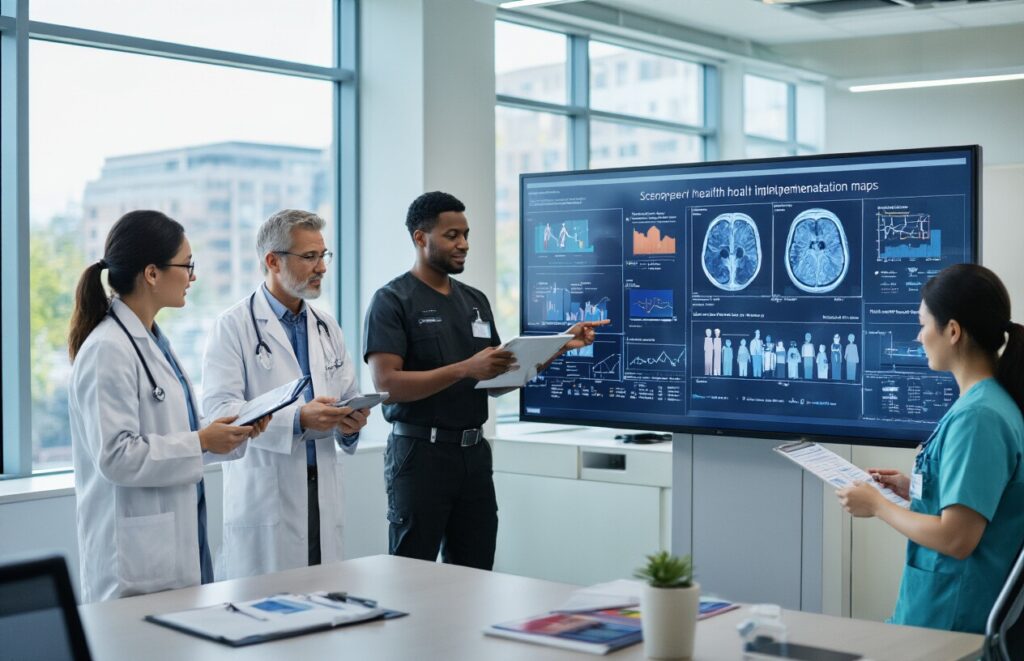
Mobile imaging units reaching underserved communities.
Mobile imaging units represent a game-changing approach to bringing advanced screening technologies directly to communities that lack easy access to major medical centers. These specially equipped vehicles carry portable MRI machines, CT scanners, mammography equipment, and ultrasound devices to rural areas, low-income neighborhoods, and regions with limited healthcare infrastructure. The units eliminate transportation barriers that often prevent people from receiving timely preventive care, making regular health screenings as accessible as visiting a local community center or parking lot.
Telemedicine platforms enabling remote screening consultations
Digital health platforms now allow radiologists and specialists to review imaging results from anywhere in the world, dramatically expanding access to expert interpretations. Patients can receive their screening results through secure video consultations, eliminating the need for multiple trips to medical facilities. These platforms connect local healthcare providers with imaging specialists, creating a network where rural clinics can offer the same level of diagnostic expertise as urban hospitals.
Insurance coverage expansion for preventive imaging services
Healthcare payers increasingly recognize that investing in preventive imaging saves money by catching diseases early when treatment costs are lower. Many insurance plans now cover annual screenings for high-risk populations, including lung cancer screening for smokers and advanced cardiac imaging for patients with family histories of heart disease. Government programs and private insurers are expanding coverage beyond traditional mammograms and colonoscopies to include newer screening technologies such as low-dose CT scans and whole-body MRI scans.
Workplace wellness programs incorporating regular screenings
Forward-thinking employers are integrating comprehensive imaging screenings into their employee health programs, recognizing that early disease detection reduces long-term healthcare costs and improves productivity. Companies partner with mobile imaging providers to offer on-site screenings during work hours, making participation convenient for employees. These programs often include incentives such as reduced insurance premiums for participating in regular screenings, creating a win-win situation in which employees receive better preventive care. At the same time, employers see reduced healthcare expenses and fewer sick days.
Emerging Technologies Shaping Tomorrow’s Preventive Care
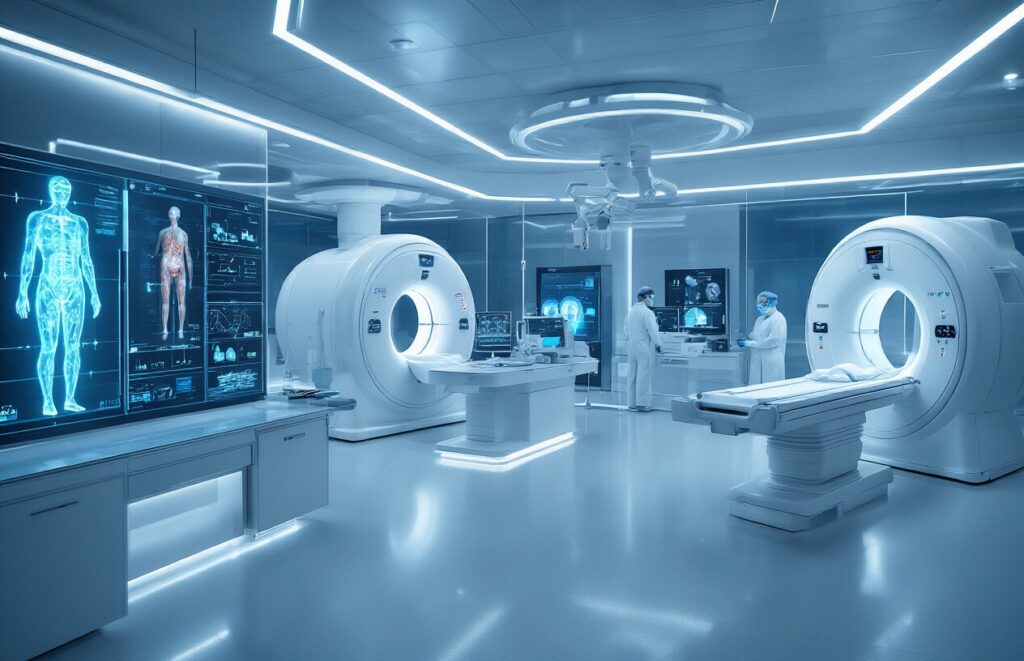
Molecular imaging reveals disease at the cellular level.
Molecular imaging transforms how we detect diseases by capturing biological processes at the cellular and molecular level before structural changes become visible. This technology uses targeted contrast agents that bind to specific biomarkers, allowing physicians to identify cancer, cardiovascular disease, and neurological conditions years earlier than traditional imaging methods.
Portable ultrasound devices enabling point-of-care screening
Handheld ultrasound devices now deliver hospital-quality imaging in rural clinics, ambulances, and patients’ homes. These pocket-sized scanners connect wirelessly to smartphones and tablets, enabling immediate diagnosis of conditions like cardiac abnormalities, deep vein thrombosis, and pregnancy complications without requiring specialized technicians or expensive equipment installations.
3D imaging provides comprehensive anatomical assessments
Advanced 3D imaging creates detailed volumetric reconstructions that reveal subtle anatomical variations missed by traditional 2D scans. Radiologists can now rotate, slice, and manipulate these digital models to detect early-stage tumors, vascular malformations, and structural defects with unprecedented accuracy, leading to more precise treatment planning and improved patient outcomes.
Wearable technology integration for continuous monitoring
Smart wearables equipped with miniaturized imaging sensors continuously track vital signs, blood flow patterns, and tissue changes throughout daily activities. These devices alert users and healthcare providers to potential health issues in real time, creating a seamless bridge between periodic screenings and continuous health surveillance, catching problems before they become serious.
Advanced imaging technologies are reshaping how we approach disease prevention, moving us from reactive treatment to proactive health management. AI-powered screening tools now catch diseases years earlier than traditional methods, while breakthrough applications are making complex screenings more accurate and accessible to everyone. The integration of artificial intelligence isn’t just improving precision—it’s making these life-saving technologies available to communities that never had access before.
The future of preventive healthcare lies in making these powerful screening tools as routine as annual check-ups. As costs continue to drop and technology becomes more portable, we’re looking at a world where early detection becomes the norm rather than the exception. Start conversations with your healthcare provider about which imaging-based screenings might be right for you, and stay informed about new options becoming available in your area. Your future self will thank you for taking prevention seriously today.