

Screening for Cancer Before Symptoms: How Early Detection Saves Lives
For patients, caregivers, and anyone wanting to stay ahead of their health
Cancer screening catches diseases before you feel sick, often making the difference between a treatable condition and a life-threatening one. When doctors find cancer early, your chances of beating it go way up.
This guide walks you through the screening tests that matter most and shows you when to start getting them based on your age. We’ll also help you figure out your personal risk factors so you can work with your doctor to create the right screening plan for you.
Getting screened regularly isn’t always easy, but understanding what tests you need and why they work can help you take control of your health before problems start.
Understanding Cancer Screening and Its Life-Saving Impact

What cancer screening means and why it matters
Cancer screening involves testing healthy people who show no symptoms to catch cancer in its earliest, most treatable stages. Think of it as a safety net that catches problems before they become life-threatening emergencies.
The difference between screening and diagnostic testing
Screening tests check for cancer in people without symptoms, while diagnostic tests investigate specific concerns or symptoms. Screening mammograms are performed annually for healthy women, whereas diagnostic mammograms are performed to evaluate lumps or other abnormal findings.
How early detection dramatically improves survival rates
Early-stage cancers respond better to treatment because they haven’t spread throughout the body. Five-year survival rates jump dramatically when cancers are caught early – breast cancer detected at stage 1 has a 99% survival rate compared to 27% at stage 4.
Statistics that prove screening effectiveness
| Cancer Type | Screening Method | Mortality Reduction |
| Breast Cancer | Mammography | 20-35% |
| Cervical Cancer | Pap Smears | 60-80% |
| Colorectal Cancer | Colonoscopy | 60-70% |
| Lung Cancer | Low-dose CT | 20% |
Regular screening programs have prevented thousands of cancer deaths by catching tumors when treatment options are most effective, and cure rates are highest.
Most Common Cancer Screening Tests You Should Know About
Mammograms for Breast Cancer Detection
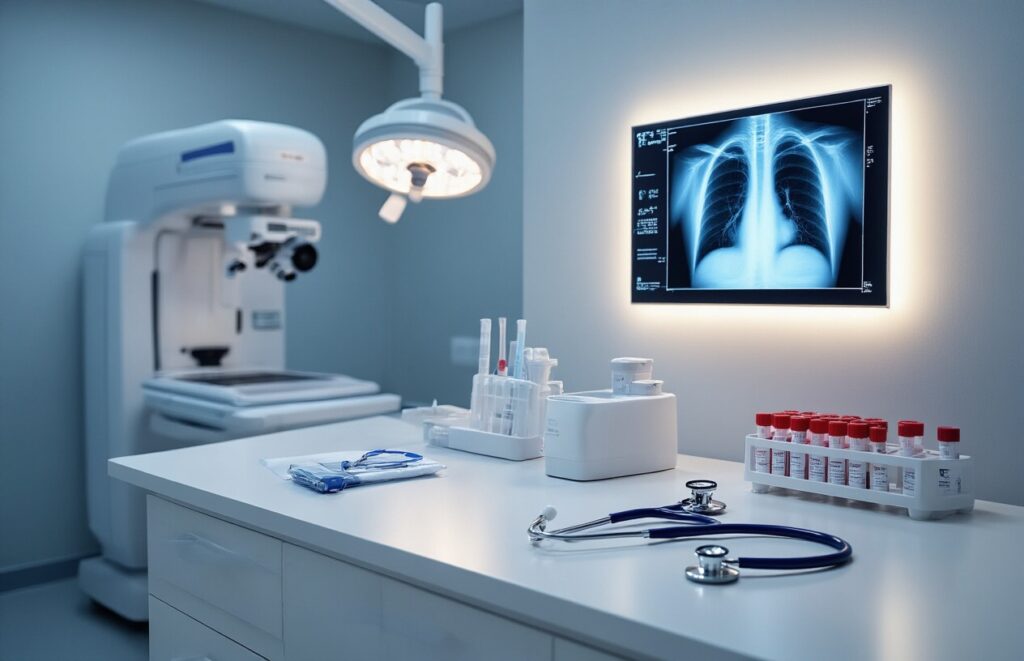
Mammograms use low-dose X-rays to create detailed images of breast tissue, detecting tumors before they can be felt during physical exams. Women aged 50-74 should get mammograms every two years, though those with a family history may need earlier screening. The procedure takes about 20 minutes and can identify cancers up to two years before manual detection.
Digital mammography and 3D tomosynthesis have improved accuracy rates, reducing false positives by 15%. While compression during the exam causes brief discomfort, this screening method has decreased breast cancer deaths by 20% over the past decade.
Colonoscopies for Colorectal Cancer Prevention
Colonoscopies examine the entire colon using a flexible tube with a tiny camera, allowing doctors to spot and remove precancerous polyps before they become malignant. Starting at age 45, adults should undergo this screening every 10 years if results are normal. The prep involves drinking a special solution to clear the bowel, which many patients find more challenging than the actual procedure.
During the exam, doctors can immediately remove suspicious growths and take tissue samples for biopsy. Alternative options, such as stool-based tests, require more frequent testing but offer convenience for those hesitant about invasive procedures.
Pap Smears and HPV Tests for Cervical Cancer
Pap smears collect cells from the cervix to identify abnormal changes that could develop into cancer. Women aged 21-65 need Pap tests every 3 years or HPV testing every 5 years after age 30. The HPV test specifically looks for high-risk strains of human papillomavirus that cause most cervical cancers.
Combined testing catches more cases than either method alone. Most abnormal results don’t indicate cancer but rather precancerous changes that can be monitored or treated. Regular screening has reduced cervical cancer deaths by over 70% since widespread adoption.
Skin Examinations for Melanoma Identification
Professional skin exams involve dermatologists checking your entire body for suspicious moles, spots, or growths using specialized lighting and magnification tools. The ABCDE rule helps identify concerning features: Asymmetry, Border irregularity, Color variation, Diameter larger than a pencil eraser, and Evolving appearance. High-risk individuals include those with fair skin, multiple moles, or a family history of skin cancer.
Monthly self-examinations complement annual professional screenings. Photographing unusual spots helps track changes over time. Early-stage melanoma has a 99% five-year survival rate, dropping significantly once it spreads to lymph nodes or other organs.
Low-Dose CT Scans for Lung Cancer in High-Risk Individuals
Low-dose computed tomography scans create detailed cross-sectional images of the lungs using minimal radiation exposure. Current or former heavy smokers aged 50-80 with a 20 pack-year history qualify for annual screening. Pack-years multiply daily cigarette packs by years smoked, so one pack daily for 20 years equals 20 pack-years.
These scans detect lung nodules as small as 4 millimeters, often years before symptoms appear. The National Lung Screening Trial showed 20% reduction in lung cancer deaths among high-risk patients. False positives occur in about 25% of scans, sometimes requiring additional imaging or procedures to rule out cancer.
Age-Based Screening Guidelines That Could Save Your Life

Screening recommendations for people in their 20s and 30s
Cancer screening needs during your twenties and thirties focus primarily on reproductive health. Women should begin cervical cancer screening at age 21 with Pap tests every three years, regardless of sexual activity. HPV testing starts at age 30, combined with Pap tests every five years if results are normal.
Breast self-exams become important during this decade, though mammograms aren’t typically recommended unless you have a strong family history or genetic mutations like BRCA1 or BRCA2. Men and women should watch for unusual moles or skin changes, especially if they have fair skin or a history of extensive sun exposure.
Essential tests for individuals aged 40-49
Your forties mark a critical transition period where screening becomes more comprehensive. Women should discuss mammography timing with their doctors, as recommendations vary between annual screening starting at 40 versus waiting until 45-50, depending on risk factors and family history.
Colorectal cancer screening discussions should begin, particularly if you have a family history or inflammatory bowel disease. Skin cancer checks become more important as cumulative sun damage increases risk. Both men and women should maintain regular physical exams and blood pressure monitoring, as cardiovascular health directly impacts cancer treatment options.
Comprehensive screening protocols for ages 50-64
The fifties represent peak screening years when most major cancer screening programs kick into full gear. Colorectal cancer screening becomes essential through colonoscopy every ten years, FIT tests annually, or other approved methods. Mammograms shift to annual or biennial schedules based on individual risk assessment.
Lung cancer screening with low-dose CT scans is recommended for current or former heavy smokers with 20+ pack-year history. Cervical cancer screening continues but may extend to five-year intervals with HPV testing. Prostate cancer discussions between men and their doctors become important, weighing the benefits and risks of PSA testing based on individual circumstances.
Modified screening approaches for seniors 65 and older
Screening strategies after age 65 require personalized approaches that balance life expectancy with potential benefits. Cervical cancer screening may stop for women with adequate prior testing and no high-risk factors. Mammography decisions depend on overall health and life expectancy rather than age alone.
Colorectal screening continues but may switch to less invasive methods based on health status. The key is to avoid overscreening while maintaining protection against cancers with good treatment outcomes. Regular discussions with healthcare providers help determine which screenings remain beneficial and which may cause more harm than good.
Identifying Your Personal Risk Factors for Targeted Screening

Family History and Genetic Predisposition Assessment
Your genes tell a story about cancer risk that screening programs need to hear. If close relatives developed breast, colon, ovarian, or prostate cancers, especially before age 50, you may need earlier or more frequent screening. Genetic counseling can reveal inherited mutations like BRCA1/2 for breast cancer or Lynch syndrome for colorectal cancer, allowing personalized screening schedules that catch problems years before standard guidelines suggest.
Lifestyle Factors That Increase Cancer Risk
Daily choices shape your cancer screening needs more than most people realize. Heavy smoking demands lung cancer screening starting at 50, while excessive alcohol use calls for closer liver monitoring. Obesity increases risks for multiple cancers, potentially warranting earlier mammograms or colonoscopies. Diet patterns high in processed meats or low in fiber also influence colorectal screening recommendations, making lifestyle assessment crucial for optimal prevention strategies.
Environmental and Occupational Exposure Considerations
Your work environment and surroundings create unique cancer risks requiring tailored screening approaches. Asbestos exposure increases mesothelioma and lung cancer risks, while radiation workers face different screening needs than office employees. Chemical plant workers, miners, and construction professionals often need specialized monitoring beyond standard guidelines. Even residential factors like radon exposure or proximity to industrial sites can influence screening recommendations, making environmental history a vital part of your cancer prevention plan.
Overcoming Common Barriers to Cancer Screening

Addressing cost concerns and insurance coverage options
Most insurance plans cover preventive cancer screenings at 100% with no copay, including mammograms, colonoscopies, and Pap smears. Check your benefits summary or call your insurance provider to understand exactly what’s covered. For those without insurance, community health centers, local hospitals, and organizations like the American Cancer Society offer free or low-cost screening programs.
Managing fear and anxiety about screening procedures
The fear of pain or of receiving bad news keeps many people from getting screenings, but modern techniques have made most procedures much more comfortable than in the past. Talk openly with your healthcare provider about your concerns – they can explain exactly what to expect and offer relaxation techniques or mild sedation when appropriate.
Finding time for screenings in busy schedules
Many screening facilities now offer extended hours, weekend appointments, and mobile screening units that come to workplaces. Some tests, like at-home colon cancer screening kits, eliminate the need for time off work. Schedule your screenings during slower periods at work or combine them with other medical appointments to maximize efficiency.
Dealing with cultural and language barriers
Healthcare systems increasingly provide interpreters and culturally sensitive staff who understand different perspectives on medical care. Many facilities offer educational materials in multiple languages and have community liaisons who can help navigate the healthcare system. Don’t let language differences prevent you from accessing life-saving screenings – federal law requires hospitals to provide interpretation services at no cost to you.
Maximizing the Benefits of Your Cancer Screening Program

Preparing properly for different types of screening tests
Proper preparation can make the difference between accurate results and having to repeat your screening. For colonoscopies, follow the bowel prep instructions exactly – incomplete preparation leads to missed polyps and repeat procedures. Mammograms work best when scheduled for the week after your period ends, and avoid deodorants or lotions that can interfere with imaging.
Understanding and interpreting your screening results
Most screening results fall into three categories: normal, abnormal requiring follow-up, or inconclusive needing repeat testing. Don’t panic over abnormal results – many indicate benign conditions or false positives. Ask your doctor specific questions about what your results mean for your health and what the recommended next steps are.
Creating a personalized screening schedule with your doctor
Your screening timeline should reflect your individual risk factors, family history, and previous test results. High-risk patients may need earlier or more frequent screening than standard guidelines suggest. Keep a personal health record tracking your screening dates and results, and discuss any changes in your health status that might affect your screening schedule during regular checkups.

Cancer screening gives you the power to catch diseases before they become life-threatening. The tests we’ve covered – from mammograms to colonoscopies to skin checks – are your best defense against cancer’s silent progression. Knowing when to start screening based on your age and risk factors helps you stay ahead of potential problems, while understanding common barriers such as cost, fear, or time constraints helps you find ways around them.
Don’t wait for symptoms to appear – they often show up too late for the best outcomes. Talk to your doctor about which screenings make sense for you and when to start them. Your future self will thank you for taking these preventive steps today. Regular screening isn’t just about finding cancer; it’s about giving yourself the best chance at a long, healthy life.