
Your thirties mark the beginning of a new chapter in your health journey. Preventive healthcare after age 30 becomes your best defense against serious health conditions that often develop silently during this decade.
This guide is for working professionals, parents, and anyone over 30 who wants to stay ahead of potential health problems. Many Indians skip regular health screenings due to busy schedules or cost concerns, but early detection can literally save your life and your wallet.
We’ll walk you through the essential health screenings every Indian should prioritize, including blood tests that catch diabetes and heart disease before symptoms appear. You’ll also discover gender-specific tests that address unique health risks for men and women, plus learn how to create a realistic screening schedule that fits your lifestyle and budget.
The key is knowing which tests matter most at your age and how often you need them. Let’s break down the screenings that can add years to your life and life to your years.
Essential Health Screenings That Save Lives After 30
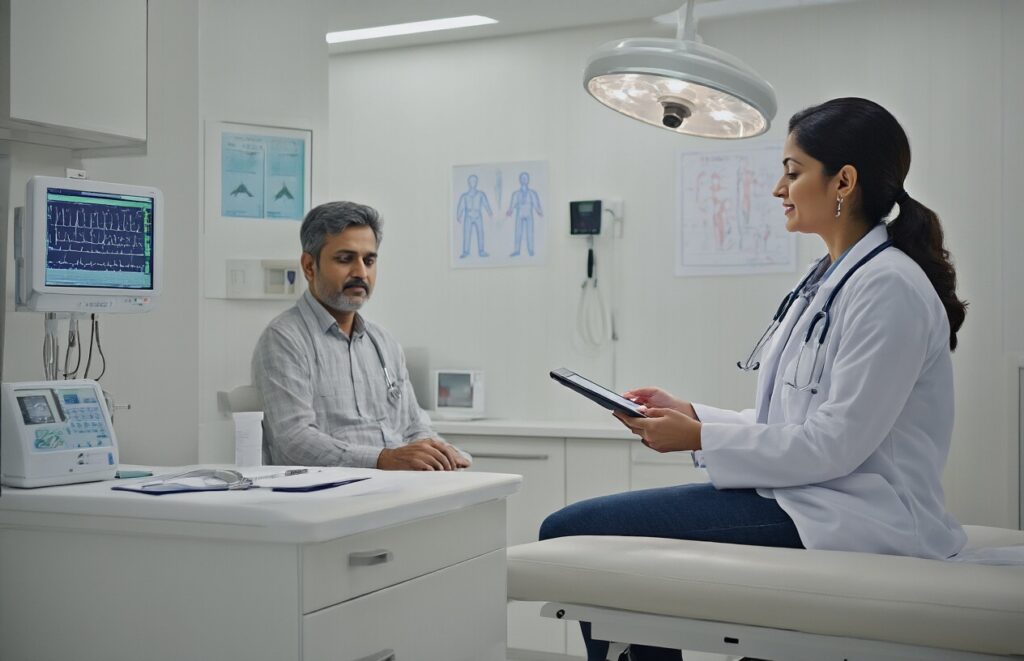
Blood pressure monitoring to prevent heart disease
High blood pressure silently damages arteries for years before symptoms appear, making regular monitoring crucial for everyone over 30. Normal readings should remain below 120/80 mmHg, while consistently elevated readings above 140/90 mmHg indicate hypertension requiring immediate medical attention. Home blood pressure monitors offer convenient daily tracking, helping identify patterns that single doctor visits might miss.
Cholesterol testing for cardiovascular risk assessment
Annual lipid panels reveal your heart attack and stroke risk by measuring LDL (bad cholesterol), HDL (good cholesterol), and triglycerides. Indians face higher cardiovascular disease rates due to genetic predisposition and dietary factors, making cholesterol screening especially important. Target LDL levels below 100 mg/dL for most adults, though your doctor may recommend stricter goals based on family history and other risk factors.
Blood sugar checks to detect diabetes early
Pre-diabetes affects millions of Indians without obvious symptoms, but early detection through fasting glucose or HbA1c tests prevents progression to type 2 diabetes. Normal fasting glucose ranges from 70-99 mg/dL, while levels between 100-125 mg/dL signal pre-diabetes. Regular screening becomes critical after 30, especially for those with family history, obesity, or sedentary lifestyles common in urban Indian populations.
Body mass index evaluation for weight management
BMI calculations based on height and weight help identify obesity-related health risks before complications develop. For Indians, BMI standards are adjusted lower due to higher body fat percentages at similar weights compared to Western populations. A BMI above 23 kg/m² indicates an overweight status requiring lifestyle modifications, while readings above 25 kg/m² significantly increase diabetes and heart disease risk.
Gender-Specific Tests for Optimal Health Protection

Breast cancer screening and mammography guidelines for women
Women over 30 should begin regular breast self-examinations monthly and schedule clinical breast exams annually with their healthcare provider. Starting at age 40, mammograms become essential screening tools, recommended yearly for early detection of breast cancer. However, women with family history or genetic predispositions may need earlier screening beginning at age 35 or even 30, depending on their doctor’s assessment.
Cervical cancer prevention through regular Pap smears
Pap smears remain one of the most effective cancer prevention tools available, dramatically reducing cervical cancer deaths when performed regularly. Women should start Pap testing at age 21 and continue every three years until age 29. After 30, combining Pap smears with HPV testing every five years provides optimal protection, though annual Pap smears alone remain acceptable.
Prostate health monitoring for men over 30
Men should discuss prostate health with their doctors starting at age 30, especially those with a family history of prostate issues. While routine PSA testing typically begins at 50 for average-risk men, those with increased risk factors may benefit from earlier baseline testing. Digital rectal exams and PSA blood tests help detect prostate enlargement, inflammation, or early signs of cancer when treatment options are most effective.
Comprehensive Blood Work That Reveals Hidden Health Issues
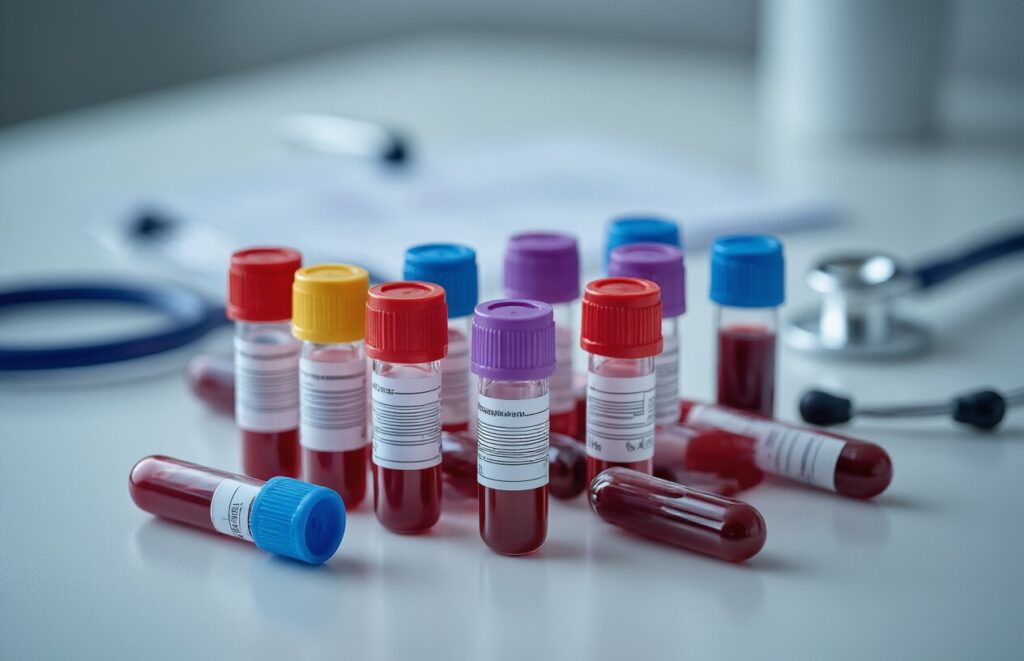
Complete Blood Count to Detect Anemia and Infections
A complete blood count serves as your health’s first line of defense, revealing crucial information about your immune system and oxygen-carrying capacity. This test examines red blood cells, white blood cells, and platelets to identify anemia, infections, blood disorders, and even early signs of leukemia.
Regular CBC testing helps catch iron deficiency anemia, which affects nearly 50% of Indian women, and monitors your body’s ability to fight infections through white blood cell counts.
Liver Function Tests for Metabolic Health Assessment
Your liver processes everything you consume, making liver function tests essential for detecting fatty liver disease, hepatitis, and drug-induced liver damage. These tests measure enzymes such as ALT and AST, as well as bilirubin levels, which indicate how well your liver metabolizes fats, proteins, and toxins.
Rising liver enzyme levels often signal metabolic syndrome, diabetes complications, or alcohol-related damage before symptoms appear, allowing early intervention through lifestyle changes.
Kidney Function Evaluation Through Creatinine Levels
Creatinine levels reveal how effectively your kidneys filter waste from your blood, with elevated levels indicating potential kidney disease or diabetes complications. This simple blood test, combined with the estimated glomerular filtration rate (eGFR), provides an accurate assessment of kidney function.
Early detection through regular creatinine monitoring prevents progression to chronic kidney disease, which affects over 17% of Indians and often develops silently without noticeable symptoms.
Thyroid Hormone Testing for Energy and Metabolism
Thyroid disorders affect millions of Indians, particularly women, causing unexplained weight changes, fatigue, hair loss, and mood swings. TSH, T3, and T4 hormone levels determine whether your thyroid produces adequate hormones for proper metabolism and energy regulation.
Undiagnosed thyroid conditions lead to cardiovascular problems, infertility, and mental health issues, making annual thyroid screening crucial for maintaining optimal health and preventing long-term complications.
Vitamin D and B12 Deficiency Screening
Vitamin D and B12 deficiencies plague urban Indians due to limited sun exposure, vegetarian diets, and processed food consumption. These deficiencies cause bone weakness, neurological problems, depression, and increased susceptibility to infection.
Regular screening identifies deficiencies early, enabling targeted supplementation and dietary modifications that prevent osteoporosis, nerve damage, and cognitive decline while boosting immune function and energy levels.
Cancer Prevention Through Early Detection Methods

Skin Cancer Self-Examination and Dermatologist Visits
Monthly self-examinations help catch suspicious moles or skin changes early. Look for asymmetrical spots, irregular borders, color variations, diameters larger than a pencil eraser, or any evolving lesions. Use the ABCDE method to examine your entire body, including often-missed areas like between your toes and behind your ears.
Schedule professional skin screenings annually, especially if you have fair skin, a family history of melanoma, or extensive sun exposure. Dermatologists use dermoscopy to detect changes invisible to the naked eye, significantly improving early detection rates when treatment success is highest.
Colorectal Cancer Screening Options and Timing
Begin screening at age 45 or earlier if there is a family history. Colonoscopy remains the gold standard, performed every 10 years for average-risk individuals. Alternative options include stool-based tests such as FIT (fecal immunochemical test) annually or Cologuard every 3 years, though abnormal results require follow-up colonoscopy.
| Screening Method | Frequency | Detection Rate |
| Colonoscopy | Every 10 years | 95% accuracy |
| FIT Test | Annually | 79% sensitivity |
| Cologuard | Every 3 years | 92% for cancer |
Lung Health Assessment for Smokers and High-Risk Individuals
Current or former heavy smokers aged 50-80 should undergo annual low-dose CT scans if they have a 20-pack-year smoking history. This screening reduces lung cancer deaths by 20% through early detection. Pack-years equal cigarettes per day divided by 20, multiplied by years smoked.
High-risk individuals include those with occupational exposures like asbestos, radon, or diesel exhaust. Pulmonary function tests assess lung capacity and detect early signs of chronic obstructive pulmonary disease. Combining screening with smoking cessation programs maximizes health benefits and reduces false-positive rates that cause unnecessary anxiety.
Bone Health and Vision Protection Strategies
Bone density testing to prevent osteoporosis
Indians face unique bone health challenges due to dietary patterns and vitamin D deficiency. DEXA scans should begin at age 35 for women and 40 for men, especially those with a family history or sedentary lifestyles. Early detection helps prevent fractures that become increasingly common after menopause in women and andropause in men.
Eye examination for glaucoma and vision changes
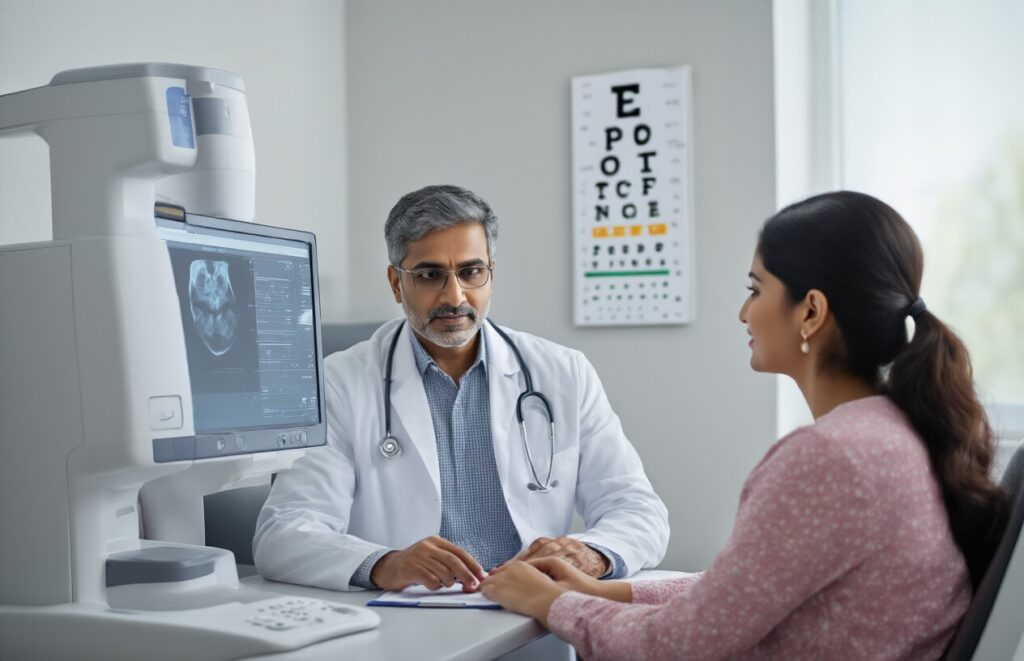
Annual eye exams become critical after 30, when the risk of glaucoma increases significantly. People with diabetes need screening every six months since India has the world’s second-largest diabetic population. Comprehensive tests, including tonometry and visual field mapping,g can catch problems before permanent vision loss occurs, making regular checkups essential for long-term eye health protection.
Dental health checkups for overall wellness connection
| Health Connection | Impact |
| Heart Disease | Gum bacteria enter the bloodstream |
| Diabetes | Poor oral health worsens blood sugar |
| Respiratory Issues | Oral bacteria cause lung infections |
Dental visits every six months prevent systemic health problems. Poor oral hygiene is linked directly to cardiovascular disease, diabetes complications, and respiratory infections. Professional cleanings remove bacteria that home care misses, while early cavity detection prevents costly treatments later.
Creating Your Personalized Health Screening Schedule

Annual versus biennial testing recommendations
Basic screenings like blood pressure, cholesterol, and diabetes tests work best on an annual schedule, especially if you have a family history or risk factors. More intensive screenings, such as colonoscopies, can occur every 3-5 years, while mammograms and Pap smears typically follow 2-3-year cycles after age 30.
Cost-effective healthcare planning in the Indian context
Government hospitals and PHCs offer many screenings at subsidized rates, making annual check-ups affordable for most families. Corporate health packages from private labs often provide better value than individual tests, with comprehensive panels starting around ₹3,000-5,000. Planning screenings around festival seasons or employer health camps can significantly reduce costs.
Finding qualified healthcare providers and facilities
Start with NABH-accredited hospitals and NABL-certified labs in your area for reliable results. Your family physician can coordinate most screenings and refer you to specialists when needed. Many diagnostic chains now offer home collection services, making routine blood work convenient while maintaining quality standards through standardized protocols.

Once you hit 30, your body starts sending subtle signals that it’s time to take health seriously. Regular screenings become your best defense against conditions like diabetes, heart disease, and cancer that often develop silently. Blood tests can catch early signs of trouble, while gender-specific screenings help protect against the most common health threats men and women face in their thirties and beyond.
The good news is that early detection gives you incredible power over your health outcomes. Setting up a personalized screening schedule with your doctor ensures nothing falls through the cracks. Don’t wait for symptoms to appear – many serious conditions are most treatable when caught early. Start building your preventive care routine now, and your future self will thank you for taking control of your health while you still can.