


Regular health screenings save lives, and medical imaging has become a game-changer for catching diseases before they cause symptoms. This guide is for health-conscious adults who want to understand how preventive health check-ups and imaging work together to protect their long-term wellbeing.
Early detection through imaging can mean the difference between simple treatment and complex medical battles. When doctors spot problems like cancer, heart disease, or bone issues in their earliest stages, patients have far better outcomes and more treatment options.
We’ll explore the essential imaging technologies that make early detection possible, from mammograms and colonoscopies to CT scans and bone density tests. You’ll also learn about age-specific screening recommendations that help you stay ahead of health risks at every life stage. Finally, we’ll address common concerns that keep people from getting regular imaging screenings and show you practical ways to make these life-saving appointments part of your routine healthcare.
Understanding Preventive Health Check-Ups and Their Life-Saving Benefits
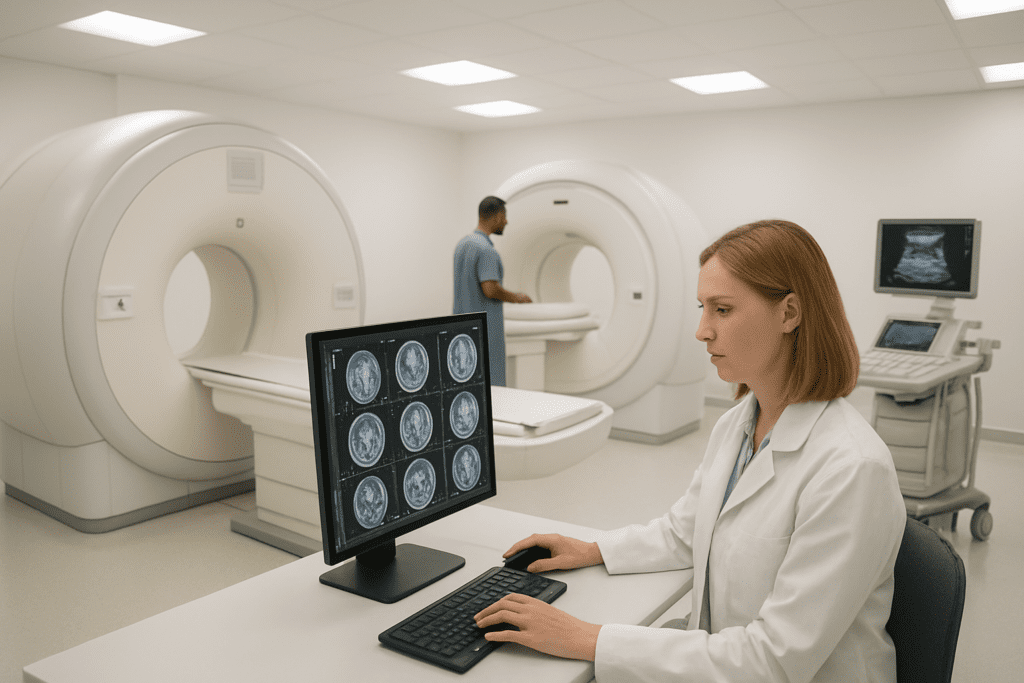
Defining preventive healthcare versus reactive treatment approaches
Preventive healthcare focuses on identifying potential health issues before symptoms develop, using regular screenings and imaging tests to catch diseases early. This proactive approach contrasts sharply with reactive treatment, where medical intervention only begins after patients experience symptoms or complications.
Key health conditions detected through routine screening programs
Routine screening programs successfully identify numerous life-threatening conditions including various cancers, cardiovascular disease, osteoporosis, and diabetes complications. These programs use specific imaging protocols tailored to detect the most common health risks for different age groups and risk factors.
Cost savings achieved through early intervention strategies
Early detection through preventive imaging reduces healthcare costs by avoiding expensive emergency treatments and complex surgical procedures. Studies show that catching diseases like breast cancer in stage one costs significantly less than treating advanced-stage cases requiring chemotherapy and extended hospitalization.
Reduced mortality rates linked to regular health monitoring
Regular health monitoring through preventive imaging has dramatically improved survival rates across multiple conditions. Mammography programs have reduced breast cancer mortality by 20-40%, while colonoscopy screening has decreased colorectal cancer deaths by over 60% in populations with consistent screening compliance.
Essential Medical Imaging Technologies for Early Disease Detection

X-ray screenings for bone health and lung condition assessment
Chest X-rays remain the most accessible screening tool for detecting lung abnormalities, including early-stage tumors, infections, and chronic obstructive pulmonary disease before symptoms develop. Bone density scans using dual-energy X-ray absorptiometry (DEXA) effectively identify osteoporosis risk, enabling preventive treatment that reduces fracture likelihood by up to 70%.
Standard radiographs can reveal joint deterioration, spinal compression fractures, and subtle lung nodules that might indicate cancer development. Regular screening intervals vary based on age and risk factors, with annual chest X-rays recommended for high-risk patients and bone density testing every two years for postmenopausal women.
Mammography effectiveness in breast cancer prevention
Digital mammography detects breast cancers an average of two years before they become palpable, significantly improving survival rates when treatment begins early. Modern 3D mammography technology reduces false positives by 15% while increasing cancer detection rates by 40% compared to traditional 2D imaging.
Women aged 40-74 benefit most from annual mammographic screening, with mortality reduction rates reaching 20-35%. Advanced imaging can identify ductal carcinoma in situ and invasive cancers smaller than 1 centimeter, allowing for less aggressive treatment options and better cosmetic outcomes.
CT scans for comprehensive organ evaluation
Low-dose computed tomography screening excels at detecting lung cancer in high-risk smokers, reducing mortality by 20% when performed annually. Coronary artery calcium scoring through cardiac CT provides precise cardiovascular risk assessment, identifying atherosclerosis decades before heart attacks occur.
Abdominal CT scans can reveal kidney stones, liver abnormalities, pancreatic masses, and early-stage colorectal polyps during routine health evaluations. Virtual colonoscopy using CT technology offers a non-invasive alternative to traditional colonoscopy, detecting polyps larger than 6mm with 90% accuracy.
MRI advantages in soft tissue and neurological screening
Magnetic resonance imaging provides unparalleled soft tissue contrast without radiation exposure, making it ideal for detecting brain tumors, multiple sclerosis lesions, and spinal cord abnormalities before neurological symptoms appear. Cardiac MRI accurately assesses heart muscle damage and identifies inherited cardiomyopathies that could lead to sudden cardiac death.
Whole-body MRI screening can simultaneously evaluate multiple organ systems, detecting cancers, vascular malformations, and musculoskeletal disorders in a single examination. Advanced techniques such as diffusion-weighted imaging and magnetic resonance angiography provide functional information on tissue health and blood flow patterns.
Ultrasound benefits for cardiovascular and abdominal health monitoring
Carotid artery ultrasound measures plaque buildup and arterial narrowing, predicting stroke risk years before symptoms develop. Echocardiography evaluates heart valve function, chamber sizes, and pumping efficiency, identifying conditions like mitral valve prolapse and early heart failure.
Abdominal ultrasound screening detects gallstones, liver disease, kidney abnormalities, and abdominal aortic aneurysms during routine examinations. This radiation-free imaging method proves particularly valuable for monitoring chronic conditions and guiding preventive interventions in high-risk patients.
Age-Specific Imaging Protocols That Maximize Health Protection
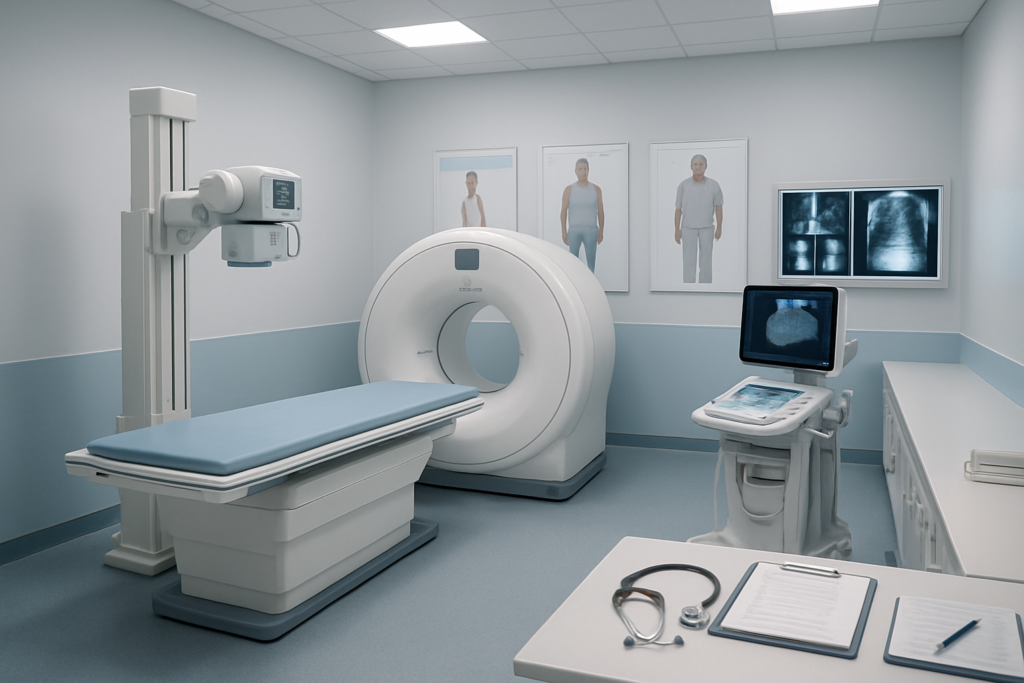
Recommended screening schedules for adults aged 20-40 years
Young adults benefit from baseline imaging that establishes normal patterns for future comparison. Mammograms typically begin at 40, but those with family history may start earlier. Blood pressure monitoring and cholesterol screenings help catch cardiovascular risks early when lifestyle changes are most effective.
Critical imaging tests for middle-aged individuals 40-65 years
This age group faces peak screening demands as cancer and heart disease risks climb significantly. Annual mammograms, colonoscopies every 10 years, and lung CT scans for smokers become essential. Bone density tests for women approaching menopause and cardiac imaging for those with risk factors help prevent serious complications.
Comprehensive screening approaches for seniors over 65 years
Older adults need more frequent monitoring as multiple health conditions often develop simultaneously. Annual chest X-rays, regular bone density scans, and cardiovascular imaging help manage age-related decline. Brain MRIs may detect early cognitive changes, while abdominal ultrasounds screen for aortic aneurysms that commonly affect this population.
Common Diseases Successfully Identified Through Imaging Before Symptoms Appear
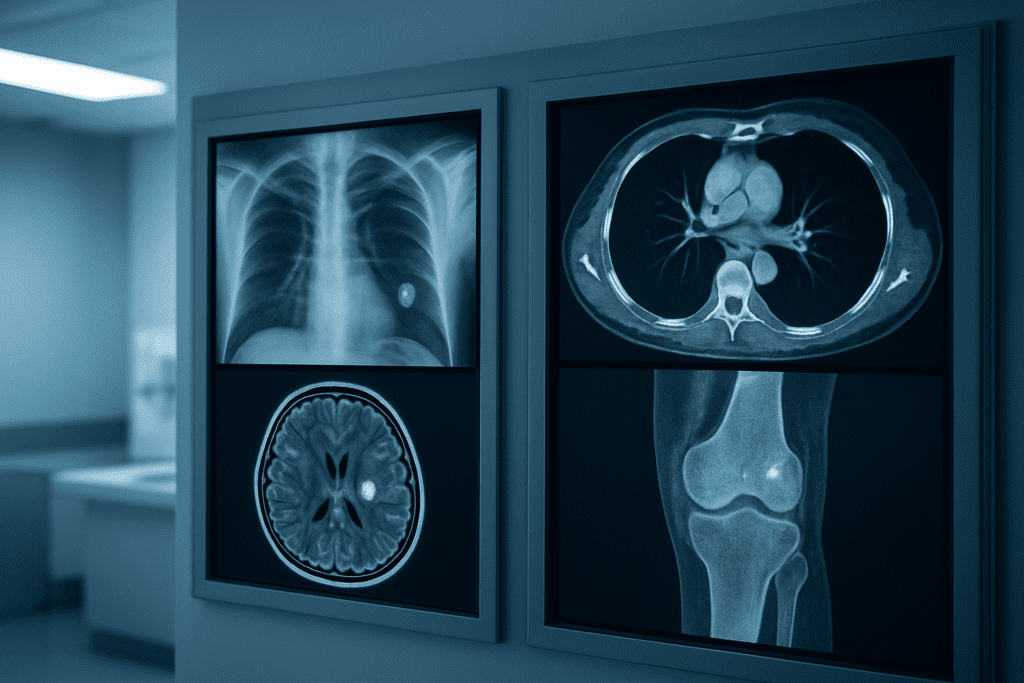
Cancer detection rates improved through regular imaging surveillance
Early-stage cancers often hide without symptoms, making regular imaging screenings life-saving tools. Mammograms catch breast cancer 1-2 years before lumps become noticeable, while low-dose CT scans identify lung tumors in high-risk patients before respiratory symptoms develop. Colonoscopies spot precancerous polyps that would otherwise progress to colorectal cancer undetected.
Cardiovascular disease prevention via early arterial assessment
Calcium scoring through cardiac CT reveals plaque buildup in coronary arteries decades before heart attacks occur. Carotid ultrasounds detect narrowed arteries supplying the brain, preventing strokes through early intervention. These imaging tests identify patients who need immediate lifestyle changes or medications, even when they feel perfectly healthy and show normal blood pressure readings.
Bone density monitoring for osteoporosis risk reduction
DEXA scans measure bone strength before fractures happen, catching osteoporosis in its silent early stages. Women over 50 and men over 70 benefit most from routine bone density screening, allowing doctors to prescribe calcium supplements or medications that prevent devastating hip and spine fractures later in life.
Liver and kidney function evaluation through routine imaging
Ultrasounds reveal fatty liver disease, kidney stones, and early organ damage before blood tests show abnormalities. Abdominal imaging catches conditions like hepatitis progression, kidney cysts, and gallbladder problems that patients cannot feel developing. Regular monitoring helps doctors adjust medications and recommend dietary changes that protect these vital organs from further damage.
Overcoming Patient Barriers to Regular Preventive Imaging

Addressing radiation exposure concerns with modern safety protocols
Modern imaging equipment uses dramatically lower radiation doses than older machines, with some scans delivering less radiation than a cross-country flight. Digital X-rays reduce exposure by up to 80% compared to traditional film, and CT protocols now automatically adjust based on patient size and anatomy. Medical facilities follow strict ALARA (As Low As Reasonably Achievable) principles, ensuring that every scan provides maximum diagnostic benefit with minimal risk.
Time management strategies for busy schedules and routine screenings
Block scheduling lets you complete multiple screenings in a single visit, reducing time off work and travel. Many imaging centers offer extended hours, weekend appointments, and express services for routine screenings. Mobile mammography units and workplace wellness programs bring preventive imaging directly to you. Consider scheduling your annual physical and imaging appointments back-to-back, and use prep time efficiently by handling paperwork online beforehand.

Medical imaging has proven itself as a game-changer in catching diseases before they become serious health threats. From mammograms spotting early breast cancer to CT scans revealing hidden heart problems, these technologies give doctors the power to find issues when treatment works best. Different age groups benefit from specific screening protocols – younger adults might focus on baseline scans while older patients need more comprehensive monitoring for age-related conditions.
The biggest hurdle isn’t the technology itself, but getting people to actually show up for their preventive screenings. Cost concerns, fear of results, and simply putting off appointments keep too many people from taking advantage of these life-saving tools. Don’t let these barriers stop you from protecting your health. Talk to your doctor about which imaging screenings make sense for your age and risk factors, then mark those appointments on your calendar. Your future self will thank you for catching potential problems while they’re still manageable.