


India’s healthcare system treats diseases after they strike, but this reactive approach is failing millions of people and draining family savings. Preventive diagnostics vs reactive healthcare represents a critical choice that could save both lives and money across the country.
This analysis is for healthcare professionals, policymakers, and health-conscious Indians seeking to understand why screening programs could transform the medical landscape. You’ll discover how early detection saves money compared to emergency treatments, and why India’s diverse population needs customized preventive care strategies.
We’ll examine the crushing financial burden of waiting until symptoms appear, explore how countries like South Korea revolutionized health outcomes through systematic screening, and outline actionable steps India can take to build a prevention-first healthcare system that works for everyone.
The High Cost of Waiting: Understanding India’s Reactive Healthcare Crisis
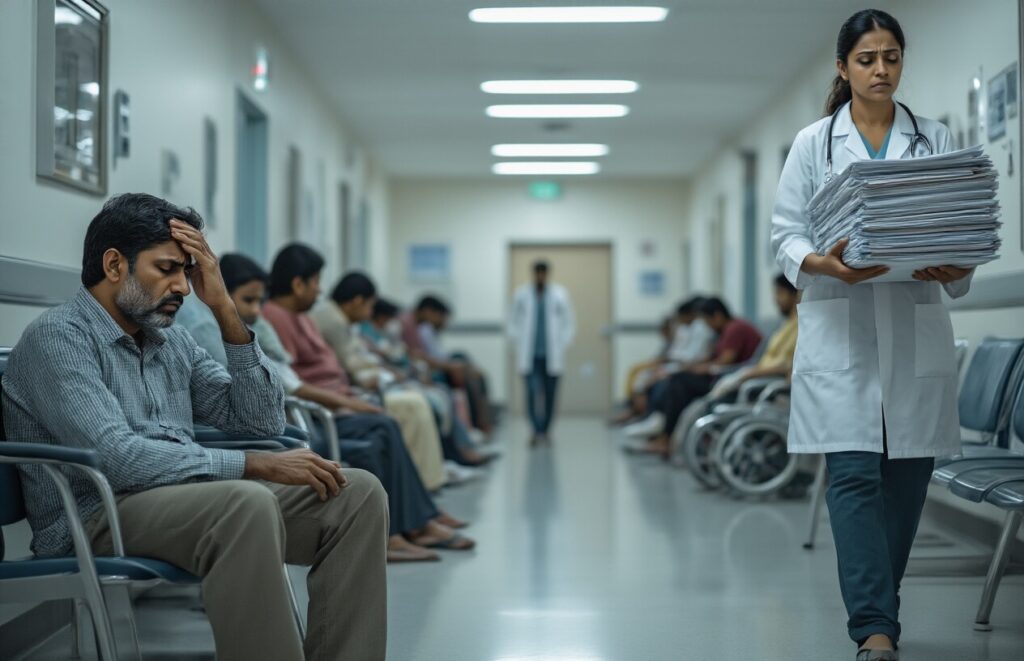
Rising healthcare expenditure due to late-stage disease treatment
India’s healthcare spending has skyrocketed as the system grapples with advanced-stage diseases that could have been caught early. Cancer treatments alone cost families between ₹5-15 lakhs, while a heart bypass surgery averages ₹4-8 lakhs. These astronomical costs stem from delayed diagnosis, where conditions progress beyond simple, affordable interventions.
Emergency interventions are driving up medical costs for families.
Emergency room visits for preventable complications devastate household budgets. A diabetic crisis requiring ICU care costs ₹50,000-2 lakhs per episode. Stroke interventions average ₹3-6 lakhs, often leaving families financially crippled. These urgent procedures command premium prices compared to routine preventive care, creating a vicious cycle in which the poor delay treatment until a crisis strikes.
Preventable chronic conditions strain the healthcare system
Preventable diseases burden public hospitals. Diabetes, hypertension, and cardiovascular conditions consume 60% of hospital resources, overwhelming already stretched facilities. Emergency departments see 40% more patients annually, with most cases stemming from unmanaged chronic conditions that could have been identified through regular screening.
Economic burden on patients and insurance systems
The ripple effects devastate both individual finances and insurance sustainability. Medical bankruptcies affect 70% of families dealing with major illnesses, while insurance premiums climb 15-20% annually. Claims for late-stage treatments drain insurance pools faster than premium collections, creating an unsustainable model where prevention becomes economically critical for system survival.
Preventive Diagnostics: The Game-Changing Alternative
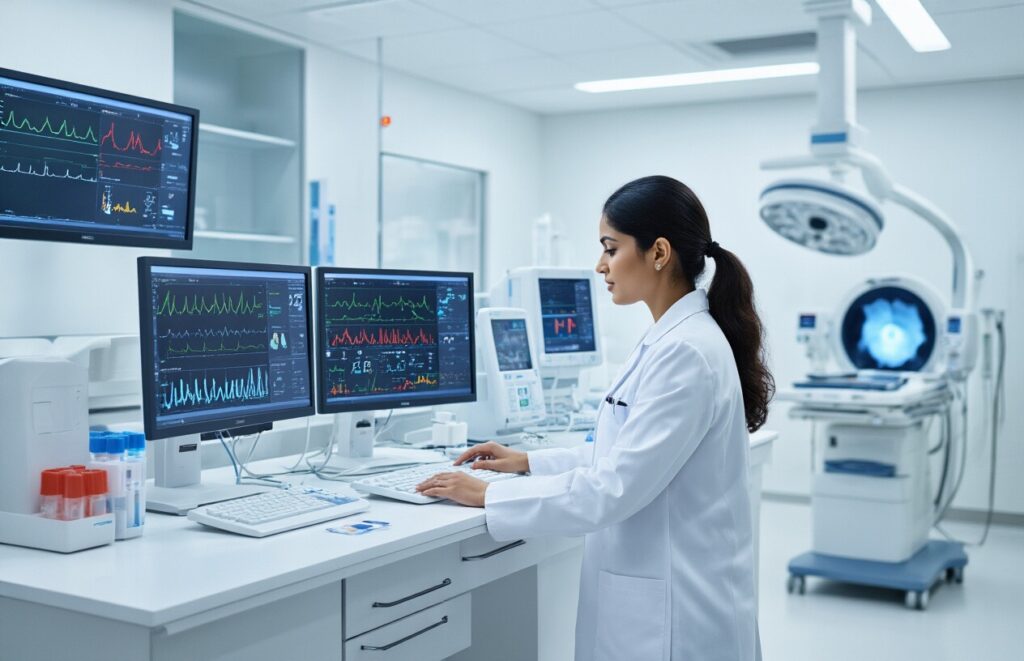
Early Detection Reducing Treatment Complexity and Costs
Early detection transforms healthcare economics by catching diseases when they’re most treatable. Cancer detected in stage one costs roughly ₹2-3 lakhs to treat, while stage four can exceed ₹15-20 lakhs. Heart disease identified through routine screenings allows for lifestyle modifications and medications costing thousands monthly, compared to bypass surgeries requiring several lakhs. Preventive diagnostics slash medical expenses by 60-80% while dramatically improving survival rates.
Regular Health Screenings: Identifying Risks Before Symptoms Appear
Regular screenings catch silent killers before they strike. Diabetes often develops without obvious symptoms for years, quietly damaging organs. Annual HbA1c tests reveal prediabetes, allowing intervention through diet and exercise before insulin dependence. Similarly, mammograms detect breast lumps two years before physical examination, while colonoscopies identify precancerous polyps. These routine checks provide a safety net that saves lives and prevents complications from advanced disease.
Technology-Enabled Diagnostic Tools Making Prevention Accessible
Modern diagnostic technology democratizes access to healthcare across India’s diverse landscape. AI-powered retinal scans detect diabetic complications using smartphone cameras, reaching remote villages without specialists. Portable ultrasound devices costing ₹50,000 now deliver hospital-grade imaging in primary health centers. Blood test kits that require a single drop provide comprehensive panels within minutes. Telemedicine platforms connect rural patients with urban specialists for real-time diagnostic consultation, breaking geographical barriers.
Personalized Health Monitoring for Better Outcomes
Personalized medicine tailors prevention strategies to individual risk profiles. Genetic testing reveals predispositions to conditions like breast cancer or heart disease, enabling targeted screening protocols. Wearable devices continuously monitor vital signs and alert users to irregular heart rhythms or sleep apnea. Family history algorithms calculate disease probabilities, customizing screening frequencies and types. This precision approach maximizes early detection while minimizing unnecessary tests and healthcare costs.
India’s Unique Healthcare Challenges Demand Screening Solutions
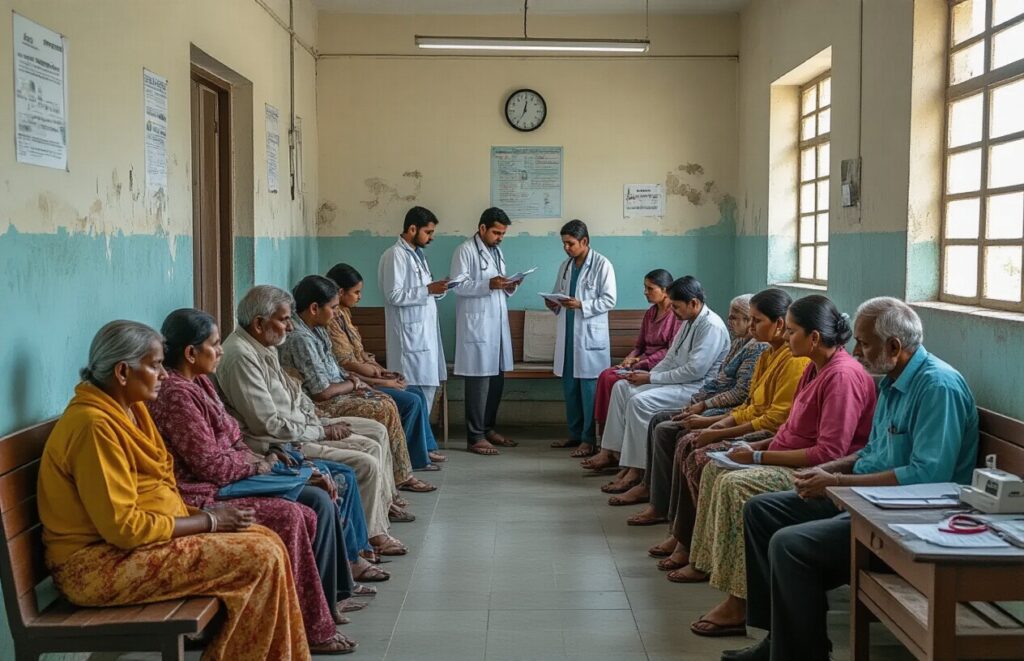
A large population is creating gaps in healthcare access.
India’s 1.4 billion people face a healthcare system at capacity. With just 0.7 doctors per 1,000 people—far below WHO recommendations—millions wait months for basic medical consultations. Rural areas are most affected, with a single primary health center serving populations exceeding 50,000. This doctor shortage means early disease detection becomes nearly impossible when patients can’t access regular check-ups.
Lifestyle diseases are rapidly increasing in urban and rural areas.
Diabetes affects over 77 million Indians, while heart disease kills 2.8 million annually. Urban stress, processed foods, and sedentary jobs create perfect conditions for chronic diseases. Rural areas aren’t immune—changing diets and reduced physical activity spread these conditions nationwide. Without preventive screening, these silent killers progress undetected until they require expensive, complex treatments that strain both families and healthcare resources.
Limited healthcare infrastructure in remote regions
Remote villages often lack basic diagnostic equipment, such as X-ray machines or blood-testing facilities. Patients travel hundreds of kilometers to reach district hospitals, delaying critical diagnoses by weeks or months. Mobile health units reach only a fraction of India’s 600,000 villages. This infrastructure gap means treatable conditions like cervical cancer or tuberculosis advance to dangerous stages simply because screening tools remain inaccessible to rural populations who need them most.
Success Stories: Countries That Transformed Healthcare Through Prevention

Finland’s cardiovascular disease prevention program results
Finland transformed its public health landscape through the North Karelia Project, launching a comprehensive cardiovascular disease prevention initiative in the 1970s. The program focused on reducing smoking rates, promoting healthier diets, and managing hypertension through community-wide screening and education campaigns. Over three decades, Finland achieved an 80% reduction in cardiovascular mortality rates among working-age populations.
Japan’s national cancer screening is reducing mortality rates.
Japan’s systematic cancer screening program covers five major cancers – stomach, lung, colorectal, breast, and cervical. The country maintains one of the world’s highest screening participation rates, reaching 40-50% for most cancer types. This proactive approach contributed to Japan achieving the lowest cancer mortality rates globally, with stomach cancer deaths dropping by 60% since the program’s implementation.
Singapore’s comprehensive health screening model
Singapore’s Screen for Life program offers subsidized health screenings for chronic diseases, including diabetes, hypertension, and high cholesterol. The initiative targets citizens aged 40 and above, offering screenings at more than 900 locations nationwide. This comprehensive approach helped Singapore achieve some of Asia’s best health outcomes, with diabetes-related complications reduced by 30% over the past decade.
Cost savings achieved through systematic preventive care
| Country | Program | Cost Savings | Health Outcome |
| Finland | Cardiovascular Prevention | $4.2 billion annually | 80% mortality reduction |
| Japan | Cancer Screening | $6.8 billion annually | 60% stomach cancer reduction |
| Singapore | Screen for Life | $2.1 billion annually | 30% diabetes complications reduction |
| Denmark | Breast Cancer Screening | $890 million annually | 25% mortality reduction |
Countries that invest in preventive diagnostics typically see returns of $3-7 per dollar spent on screening programs. These savings come from reduced emergency interventions, shorter hospital stays, and decreased need for expensive late-stage treatments. The economic benefits compound over time as healthier populations require less intensive medical care.
Building India’s Screening Revolution: Practical Implementation Strategies
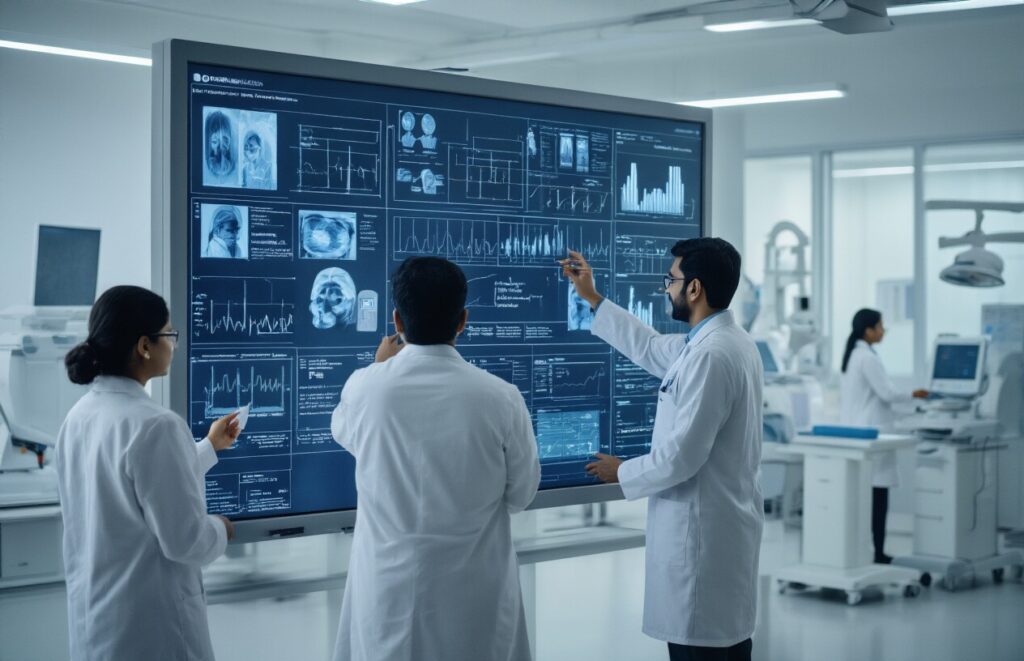
Government policy reforms supporting preventive healthcare
India’s healthcare transformation requires bold legislative changes that prioritize prevention over treatment. The government must establish mandatory health screening programs for employees in public-sector organizations and offer tax incentives to private companies that implement comprehensive wellness initiatives. Insurance reforms should offer premium discounts to individuals who participate in regular health checkups, creating financial incentives for preventive care adoption.
Private-sector partnerships are expanding access to screening.
Corporate healthcare partnerships can bridge the accessibility gap by establishing screening centers in underserved areas. Companies like Tata Consultancy Services and Infosys have successfully integrated mobile health units that travel to remote locations to provide basic diagnostic services to rural populations. These public-private collaborations leverage corporate social responsibility budgets while expanding healthcare infrastructure beyond urban centers.
Technology integration is making diagnostics affordable and widespread.
Digital health platforms are revolutionizing diagnostic accessibility through smartphone-based screening tools and AI-powered risk assessment applications. Telemedicine integration allows remote consultations with specialists, reducing travel costs for rural patients. Cloud-based health records enable seamless data sharing between healthcare providers, creating comprehensive patient profiles that support preventive care decisions. These technological solutions dramatically reduce diagnostic costs while improving accuracy and speed.
Community health programs targeting high-risk populations
Targeted screening programs for diabetes, hypertension, and cardiovascular diseases in high-prevalence regions can prevent millions of complications. Community health workers trained in basic screening techniques can identify at-risk individuals early and refer them for advanced testing when necessary. Local partnerships with schools, religious organizations, and community centers create trusted environments where people feel comfortable accessing healthcare services.
Healthcare professional training for preventive care focuses.
Medical education curricula must shift from treatment-focused training to prevention-oriented approaches. Healthcare professionals need specialized training in risk assessment, lifestyle counseling, and early intervention strategies. Continuing medical education programs should emphasize population health management and screening protocols, ensuring that doctors understand the economic and health benefits of preventive care over reactive treatment.

India’s healthcare system stands at a crossroads where the choice between reactive treatment and preventive screening will shape millions of lives. The evidence is clear – countries that have embraced preventive diagnostics have dramatically reduced healthcare costs while saving countless lives through early detection. Our current approach of waiting until diseases progress to critical stages is not just expensive; it’s costing us our most valuable resource: healthy, productive citizens.
The path forward requires a fundamental shift in how we think about healthcare. Instead of building more hospitals to treat advanced diseases, we need to invest in widespread screening programs that catch problems early when they’re still treatable. This isn’t just a policy recommendation – it’s an urgent call for individuals, healthcare providers, and policymakers to champion preventive care in their communities. The screening revolution India needs won’t happen overnight, but it starts with each of us choosing prevention over cure and demanding better access to early diagnostic tools.