


An elastography liver test is a non-invasive imaging technique that measures liver stiffness to detect fibrosis, cirrhosis, and other liver conditions without requiring a biopsy. This painless procedure uses sound waves or magnetic resonance technology to assess your liver’s health and guide treatment decisions.
This guide is for patients scheduled for liver elastography, people with liver disease concerns, and anyone wanting to understand this diagnostic tool better. We’ll walk you through what medical conditions elastography can detect and how to properly prepare for your test to get the most accurate results.
Understanding Elastography Liver Testing Technology
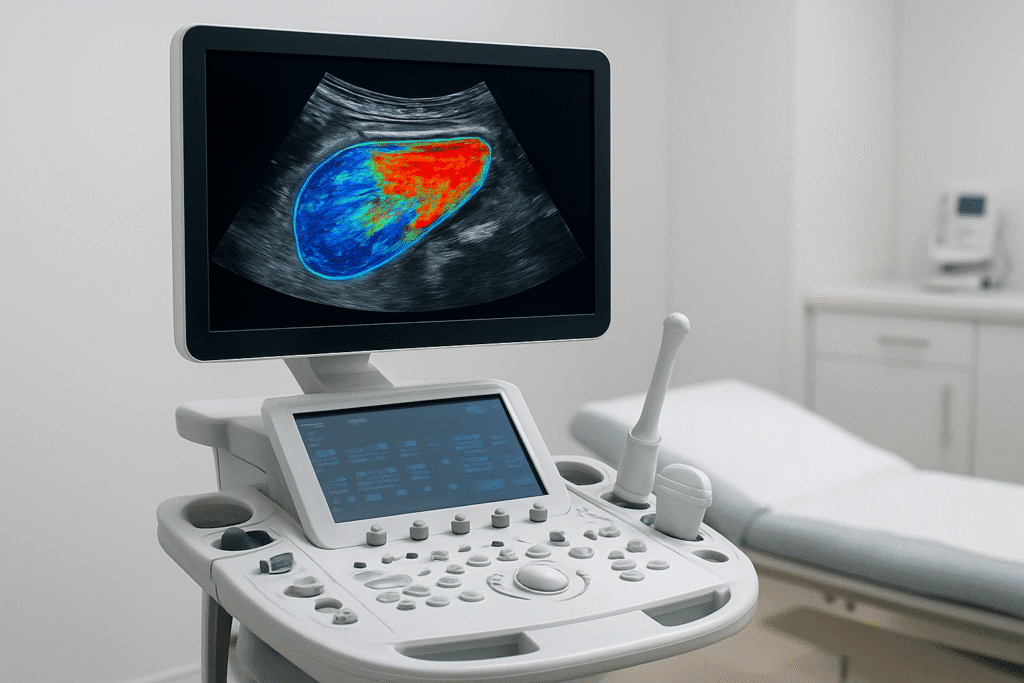
How elastography measures liver stiffness and fibrosis
Elastography works by sending gentle sound waves or vibrations through your liver tissue to measure how stiff or elastic it is. Think of it like tapping on different types of fruit at the grocery store – a ripe peach feels soft, while an overripe one feels firm. Your liver behaves similarly when damaged by conditions like hepatitis or fatty liver disease.
The technology uses either ultrasound waves or magnetic resonance imaging to create a detailed map of tissue stiffness throughout your liver. As fibrosis develops, healthy liver cells get replaced by scar tissue, making the organ progressively stiffer. Elastography captures these changes by measuring how fast sound waves travel through different areas of your liver – waves move faster through stiffer, scarred tissue than through healthy, soft tissue.
This measurement gets translated into numerical values called kilopascals (kPa), which doctors use to assess fibrosis stages. Normal liver tissue typically measures between 2-7 kPa, while severely scarred liver tissue can register above 20 kPa. The test creates color-coded images where different colors represent varying degrees of stiffness, giving your doctor a comprehensive view of your liver’s condition.
Different types of elastography methods available
Several elastography techniques are available, each with unique strengths for different patient needs. Transient elastography, often performed using the FibroScan device, represents the most widely used method. This technique sends controlled vibrations through your skin using a small probe placed on your right side, measuring liver stiffness in a matter of seconds.
Shear wave elastography uses ultrasound technology to create detailed images of liver stiffness patterns. This method provides real-time imaging, allowing doctors to see exactly which areas of your liver they’re examining. The visual feedback helps ensure accurate measurements and can detect localized areas of fibrosis that might be missed with other methods.
Magnetic resonance elastography (MRE) combines MRI technology with mechanical vibrations to create highly detailed three-dimensional maps of liver stiffness. While more expensive and time-consuming than other methods, MRE provides the most comprehensive assessment of liver fibrosis, especially useful for patients with complex liver conditions.
| Method | Duration | Accuracy | Best For |
| Transient Elastography | 5-10 minutes | High | Routine screening |
| Shear Wave Elastography | 10-15 minutes | Very High | Detailed assessment |
| MR Elastography | 30-45 minutes | Highest | Complex cases |
Advantages over traditional liver biopsy procedures
Elastography offers significant benefits compared to the traditional liver biopsy, which has been the gold standard for diagnosing liver fibrosis for decades. The most obvious advantage is that elastography is completely non-invasive – no needles, no incisions, and no tissue removal required. You simply lie on an examination table while a technologist performs the scan.
The comfort factor alone makes elastography appealing to most patients. Liver biopsies involve inserting a needle through your skin and into your liver to extract a small tissue sample, which can cause pain and requires several hours of post-procedure monitoring. With elastography, you can return to your normal activities immediately after the test.
Elastography also provides a much broader assessment of your liver. A biopsy examines only a tiny piece of tissue – roughly 1/50,000th of your entire liver – which might not represent the overall condition of the organ. Elastography evaluates a much larger portion of your liver, giving doctors a more comprehensive picture of fibrosis distribution.
The repeatability of elastography makes it ideal for monitoring disease progression over time. Since the procedure is safe and comfortable, doctors can perform regular follow-up scans to track how your liver responds to treatment or how a condition progresses naturally.
When doctors recommend elastography testing
Doctors typically recommend elastography when they need to assess liver health in patients with known or suspected liver disease. If you have chronic hepatitis B or C, your physician might use elastography to monitor how the infection affects your liver over time and determine when antiviral treatment might be necessary.
Patients with fatty liver disease, whether caused by alcohol use or metabolic factors, often undergo elastography to evaluate fibrosis progression. Since fatty liver disease affects millions of people and can silently progress to cirrhosis, regular elastography monitoring helps doctors intervene before irreversible damage occurs.
The test proves valuable for monitoring treatment effectiveness. If you’re receiving treatment for hepatitis, taking medications that might affect your liver, or making lifestyle changes to improve liver health, elastography can show whether these interventions are working.
Doctors also recommend elastography before starting certain medications known to potentially harm the liver. By establishing baseline liver stiffness measurements, physician can better monitor for drug-induced liver injury during treatment. Additionally, patients with unexplained elevated liver enzymes in blood tests often receive elastography to help identify the underlying cause and severity of liver damage.
Medical Conditions Detected Through Elastography
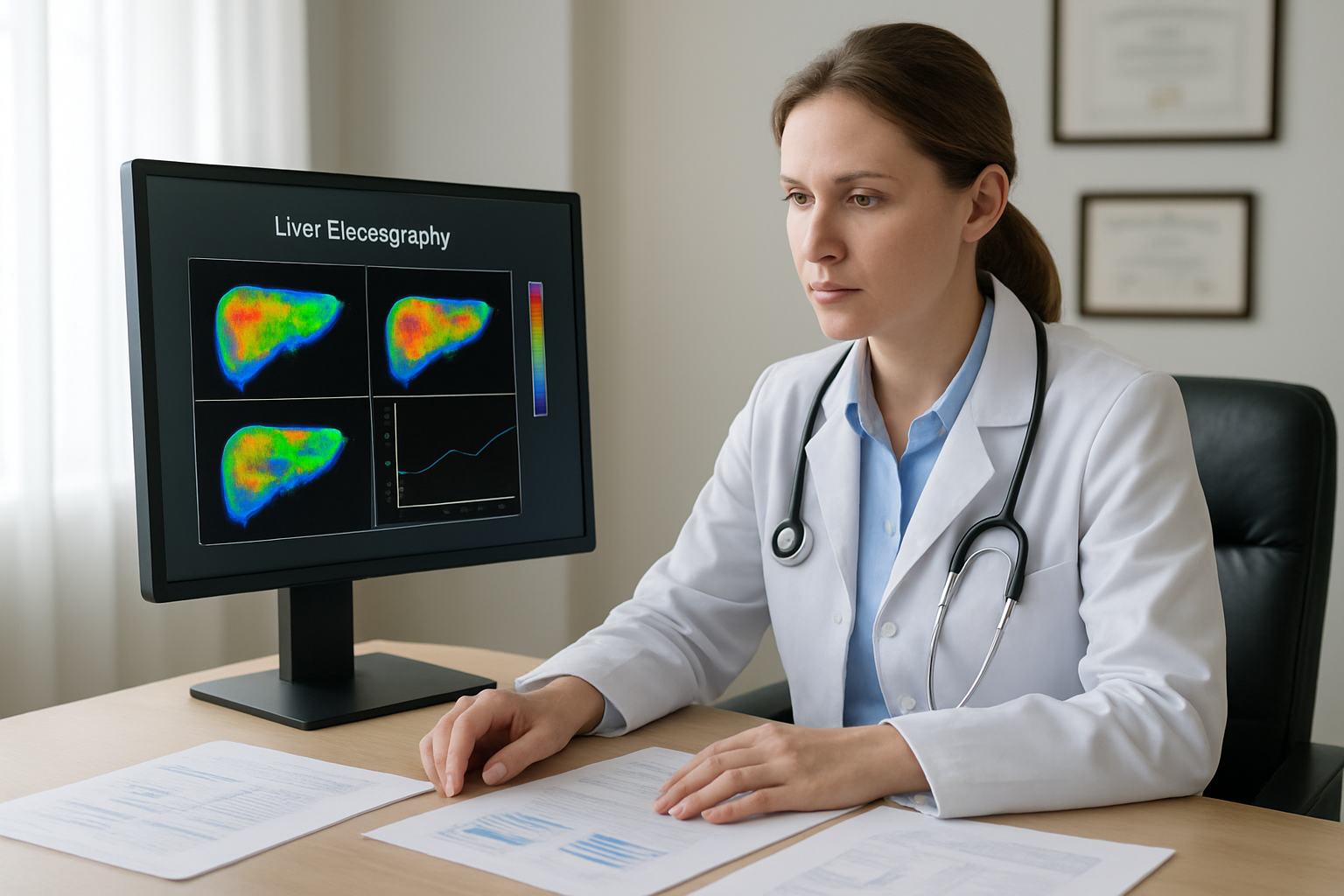
Liver fibrosis stages and severity assessment
Elastography excels at detecting liver fibrosis by measuring tissue stiffness. Normal liver tissue feels soft and pliable, but when scar tissue forms due to injury or disease, the liver becomes progressively harder. The test assigns a numerical value measured in kilopascals (kPa) or meters per second, allowing doctors to stage fibrosis on a scale from F0 to F4.
F0 represents no fibrosis, while F1 indicates minimal portal fibrosis. F2 shows portal fibrosis with few septa, and F3 reveals numerous septa without cirrhosis. F4 represents cirrhosis, the most advanced stage. This staging system helps doctors track disease progression and treatment effectiveness over time.
The beauty of elastography lies in its ability to detect early-stage fibrosis before symptoms appear. Traditional blood tests often miss early changes, but elastography can identify tissue stiffening when fibrosis affects just 10-15% of the liver. This early detection creates opportunities for intervention that can prevent progression to more serious stages.
Cirrhosis detection and monitoring
Cirrhosis represents the end stage of liver fibrosis, where extensive scarring severely compromises liver function. Elastography proves especially valuable for cirrhosis detection because cirrhotic tissue becomes significantly stiffer than healthy liver tissue. Values typically exceed 12-15 kPa, though exact thresholds vary depending on the underlying cause.
Regular elastography monitoring helps doctors assess cirrhosis progression and treatment response. Patients with established cirrhosis benefit from periodic testing to watch for changes that might indicate improving or worsening conditions. The test also helps identify patients at higher risk for complications like portal hypertension or liver cancer.
Elastography can detect cirrhosis even when liver enzyme blood tests remain normal. This capability makes it particularly useful for screening high-risk patients who might develop silent cirrhosis without obvious symptoms or abnormal lab values.
Hepatitis-related liver damage evaluation
Chronic hepatitis B and C infections cause progressive liver damage that elastography can effectively monitor. The test proves especially useful for patients undergoing antiviral treatment, as it can show improvement in liver stiffness as the viral load decreases and inflammation subsides.
Different hepatitis types create distinct patterns of liver stiffening. Hepatitis C typically causes more uniform stiffening throughout the liver, while hepatitis B may create more variable stiffness patterns. Autoimmune hepatitis can cause rapid changes in liver stiffness that correlate with disease activity and treatment response.
For hepatitis patients, elastography offers several advantages over repeated liver biopsies. The non-invasive nature allows for frequent monitoring without the risks associated with needle biopsies. This frequent assessment helps doctors adjust treatment plans more responsively and catch complications earlier.
Fatty liver disease diagnosis
Non-alcoholic fatty liver disease (NAFLD) and its more severe form, non-alcoholic steatohepatitis (NASH), affect millions of people worldwide. Elastography helps distinguish between simple fatty liver and NASH, which involves inflammation and fibrosis along with fat accumulation.
Simple fatty liver typically shows normal or only mildly elevated stiffness values. However, when fat accumulation triggers inflammation and fibrosis development, liver stiffness increases proportionally. This distinction becomes critical because NASH can progress to cirrhosis, while simple fatty liver rarely causes serious complications.
Elastography also monitors treatment effectiveness in fatty liver disease patients. Weight loss, dietary changes, and medications can reduce liver stiffness over time, providing tangible evidence of improvement. The test helps motivate patients by showing measurable progress that blood tests might not reveal for months.
For patients with metabolic syndrome, diabetes, or obesity, elastography serves as an excellent screening tool for fatty liver disease. Early detection allows for lifestyle interventions that can prevent disease progression and reduce the risk of developing more serious liver complications.
Essential Pre-Test Preparation Requirements

Fasting Guidelines Before Your Appointment
Your doctor will typically ask you to fast for 4-6 hours before your elastography exam. This means no food or drinks except for small sips of water if needed for medications. The fasting requirement exists because eating can temporarily change your liver’s stiffness measurements, which could affect the accuracy of your results.
Clear liquids like water are usually fine up to 2 hours before your test, but avoid anything with calories, including juice, coffee with cream, or sports drinks. If you’re diabetic or take medications that require food, discuss this with your physician beforehand. They might adjust your fasting time or provide specific instructions for managing your blood sugar during the preparation period.
Some facilities allow you to have water right up until your appointment, while others prefer complete fasting for the final 2 hours. Always follow the specific instructions given by your testing center rather than general guidelines.
Medications to Avoid Before the Testing
Several medications can interfere with elastography results by affecting liver enzyme levels or blood flow patterns. Pain relievers like ibuprofen, naproxen, and aspirin should typically be stopped 24-48 hours before testing unless you’re taking them for heart protection under a doctor’s orders.
Certain supplements can also impact results:
- Vitamin E: May affect liver inflammation markers
- Milk thistle: Can temporarily alter liver function tests
- Turmeric supplements: May influence inflammation levels
- Fish oil: High doses might affect blood flow measurements
Never stop prescription medications without consulting your doctor first. Blood pressure medications, heart medications, and diabetes drugs usually need to continue as prescribed. If you take blood thinners like warfarin or newer anticoagulants, your doctor will provide specific guidance since these don’t typically interfere with elastography but might affect other tests done simultaneously.
Create a complete list of all medications, supplements, and over-the-counter drugs you take regularly and review it with your healthcare team at least a week before your appointment.
Clothing Recommendations for Easier Access
Wear comfortable, loose-fitting clothing that allows easy access to your upper abdomen and right side where your liver is located. A two-piece outfit works best since you’ll need to lift your shirt or remove your top garment while keeping your lower body covered.
Avoid tight-fitting clothes, belts, or anything with metal fasteners near your abdomen. The ultrasound probe needs direct skin contact in the area between your ribs on the right side of your body. Restrictive clothing can make positioning difficult and uncomfortable during the 10-15 minute procedure.
Consider these clothing options:
- Tops: Button-up shirts, loose t-shirts, or blouses that lift easily
- Bottoms: Comfortable pants or skirts that won’t restrict your breathing
- Undergarments: Regular bras are fine, but avoid underwire if it sits near the testing area
Leave jewelry at home, especially necklaces or belly rings that might interfere with the ultrasound equipment. The testing room will have a gown available if needed, but most patients find their own comfortable clothes work better for maintaining privacy and comfort during the exam.
What to Expect During Your Elastography Procedure
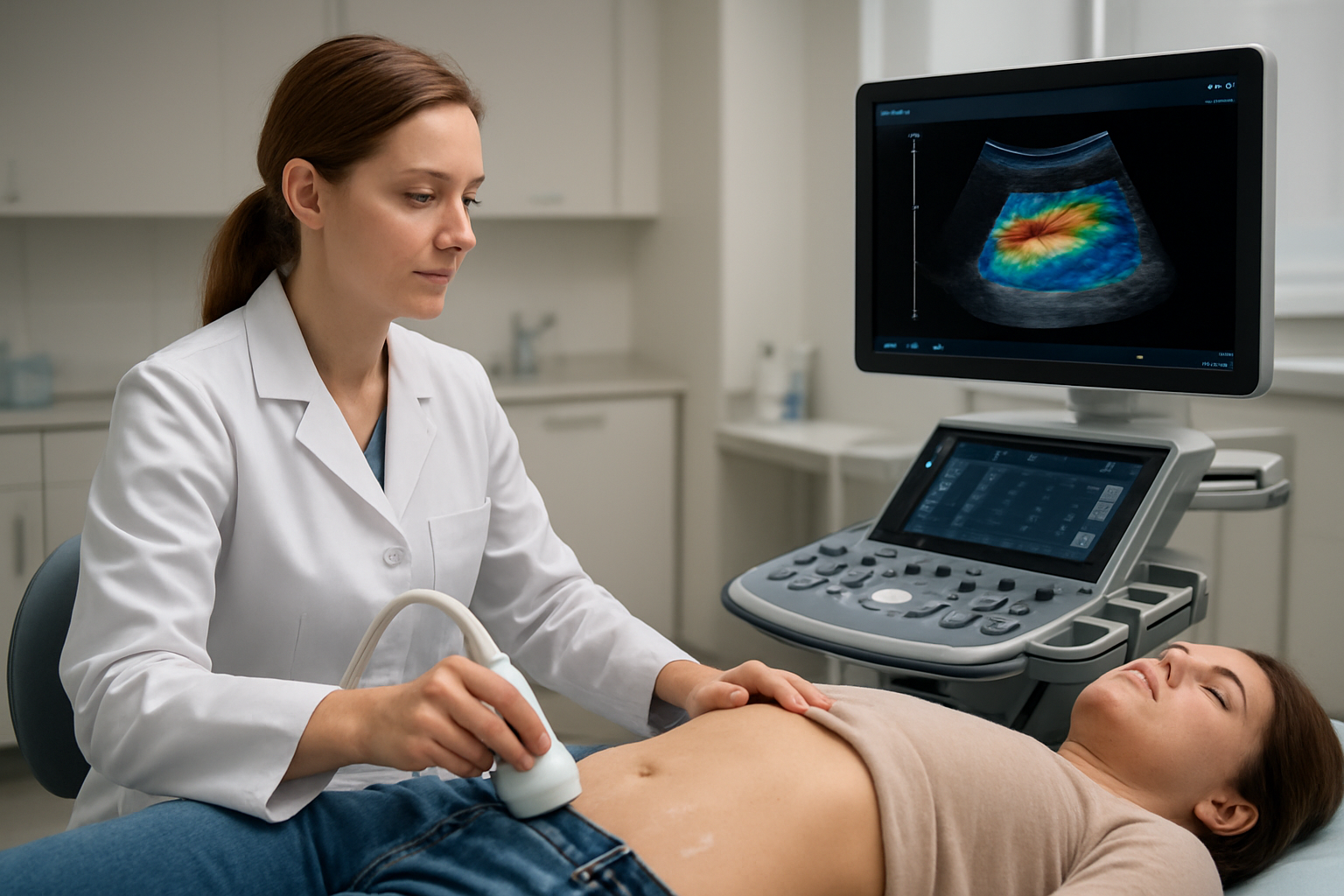
Step-by-step procedure walkthrough
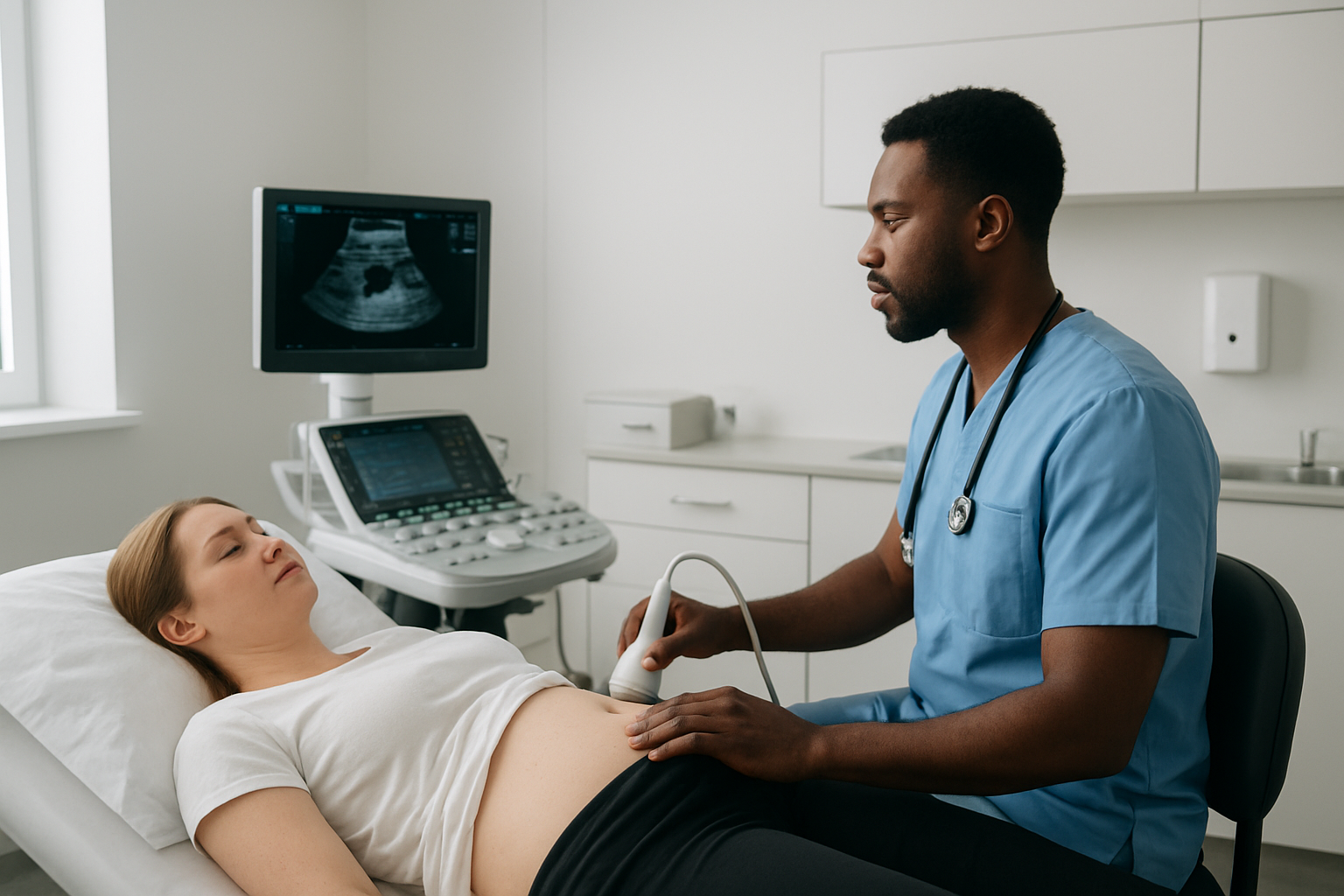
The elastography procedure begins when you lie comfortably on an examination table, typically on your back or slightly turned to your left side. Your physician will apply a water-based gel to your skin over the liver area, usually on the right side of your abdomen just below the ribcage. This gel helps the ultrasound probe make better contact with your skin and ensures clear imaging.
The technician or doctor will then place a specialized ultrasound probe against your skin. Unlike traditional ultrasound, this probe generates controlled vibrations or sound waves that penetrate your liver tissue. You’ll feel gentle pressure as the probe is positioned, but no pain or discomfort should occur during the scanning process.
During the actual measurement phase, you’ll be asked to hold your breath for short periods – typically 10-15 seconds at a time. This breath-holding prevents your liver from moving, which could interfere with accurate readings. The probe will take multiple measurements from different angles and positions to create a comprehensive assessment of your liver’s stiffness patterns.
The entire scanning process involves collecting 10-20 individual measurements to ensure accuracy and reliability. Between measurements, you can breathe normally while the technician adjusts the probe position. Most patients find this rhythmic pattern of brief breath-holds quite manageable and not stressful.
Duration and comfort level during testing
A typical elastography session lasts between 15-30 minutes from start to finish, including preparation time and positioning. The actual data collection usually takes only 10-15 minutes, making it one of the quicker diagnostic procedures available for liver assessment.
Most patients describe the experience as remarkably comfortable and stress-free. The ultrasound probe feels similar to having a regular abdominal ultrasound, with only mild pressure applied to your skin. The vibrations generated by the probe are generally imperceptible, and many patients report feeling nothing more than the gentle contact of the probe itself.
| Comfort Factor | Patient Experience |
| Pain Level | None to minimal |
| Pressure Sensation | Mild, similar to regular ultrasound |
| Vibrations | Usually not felt |
| Overall Comfort | High – most patients find it relaxing |
The procedure room environment is typically quiet and calm, with dim lighting that many find soothing. You can wear comfortable clothing, though you may need to remove or lift your shirt to expose the abdominal area. Hospital gowns are available if needed for modesty or convenience.
Safety considerations and potential limitations
Elastography is considered exceptionally safe with virtually no risks or side effects. The technology uses standard ultrasound waves, which have been safely used in medical imaging for decades. Unlike some other liver assessment methods, elastography doesn’t involve radiation exposure, contrast dyes, or invasive procedures.
However, certain conditions can affect the accuracy of elastography results. Patients with significant obesity may experience reduced image quality, as excess abdominal tissue can interfere with sound wave transmission. Active inflammation in the liver, recent meals, or vigorous exercise before the test can temporarily increase liver stiffness readings, potentially leading to misleading results.
Pregnancy doesn’t pose safety concerns for the procedure itself, but interpretation of results requires special consideration since normal physiological changes during pregnancy can affect liver measurements. Patients with severe heart failure or significant fluid retention (ascites) may also receive less reliable readings.
The test has some technical limitations worth knowing about. Very small livers or those positioned unusually high under the ribcage can be challenging to assess adequately. Additionally, if you have extensive scar tissue on your abdominal skin from previous surgeries, probe contact might be compromised.
Real-time results and immediate feedback
One of the most appealing aspects of elastography is the immediate availability of results. Unlike blood tests or biopsies that require processing time, elastography provides real-time measurements that appear on the screen during your procedure. You can actually watch the measurements being taken and see the numerical values as they’re recorded.
Your physician can discuss preliminary findings with you right after the test concludes. The machine calculates average stiffness values automatically, and experienced practitioners can immediately identify whether readings fall within normal ranges or suggest potential liver problems.
The results are typically expressed in kilopascals (kPa), with normal liver tissue measuring between 2-7 kPa. Values above this range may indicate varying degrees of liver fibrosis or scarring. Your doctor will explain what your specific numbers mean in the context of your medical history and symptoms.
Some facilities provide printed reports immediately after your procedure, complete with measurements, images, and preliminary interpretations. However, final official reports usually require review by a radiologist or hepatologist, which may take 24-48 hours for completion. This additional review ensures accuracy and provides detailed clinical correlations with your other medical information.
The immediate feedback capability makes elastography particularly valuable for monitoring liver health over time, as changes in stiffness measurements can be tracked during follow-up visits to assess treatment effectiveness or disease progression.
Interpreting Your Elastography Results Effectively
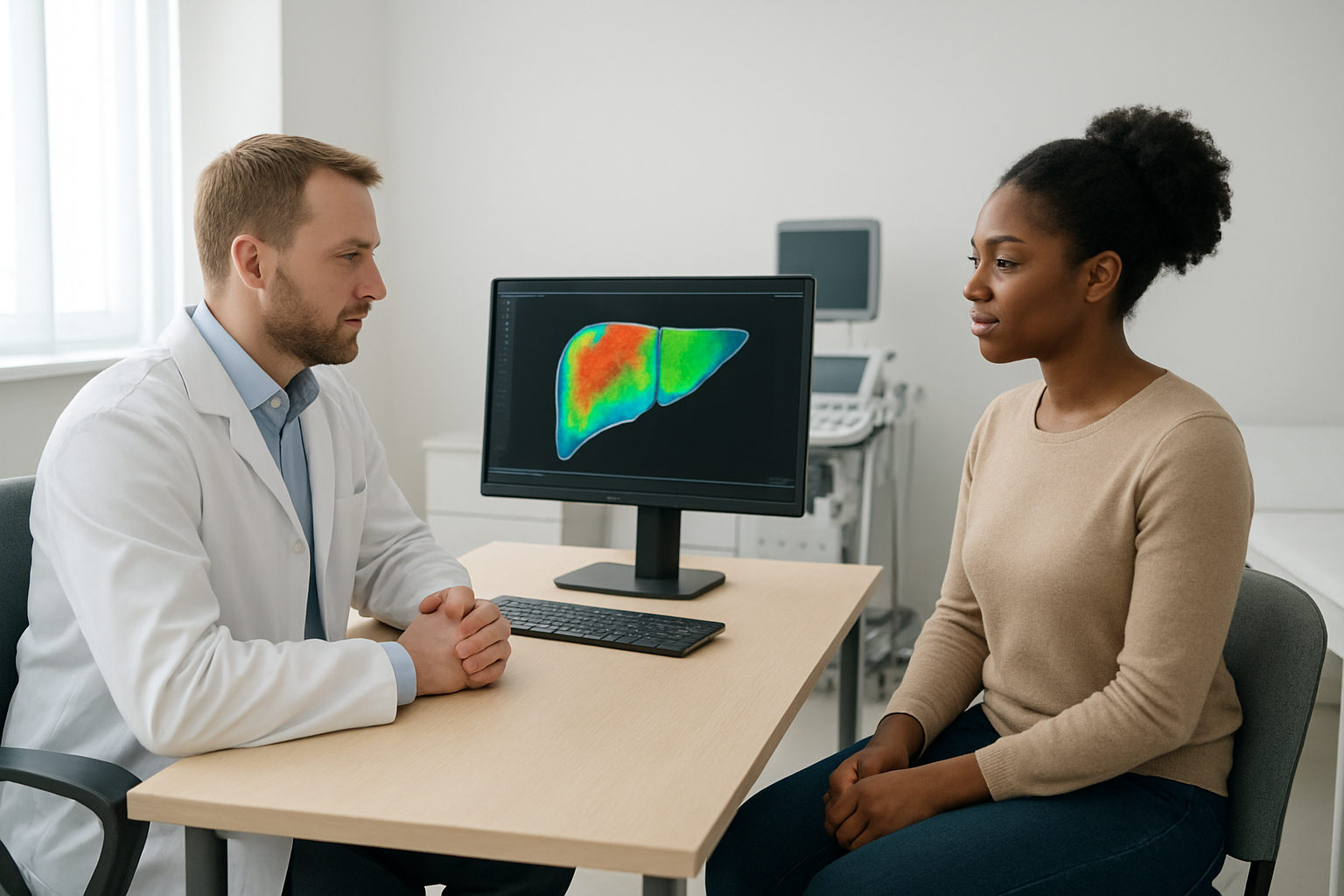
Normal versus abnormal liver stiffness values
Your elastography results come as measurements in kilopascals (kPa), which tell you how stiff your liver tissue is. Think of it like testing the firmness of a piece of fruit – the stiffer it is, the higher the number.
For a healthy liver, you’re looking at values typically between 2.5 to 7.0 kPa. When your liver is functioning normally and free from significant damage, the tissue stays soft and flexible. Most people with healthy livers will see readings in this range.
Values between 7.1 to 9.5 kPa suggest mild liver stiffness. This could point to early-stage liver changes or mild inflammation. Your doctor might want to monitor you more closely and look into potential causes.
Moderate stiffness shows up as readings between 9.6 to 12.5 kPa. This range often indicates more significant liver changes that need attention and possibly treatment.
When readings climb above 12.5 kPa, you’re dealing with severe liver stiffness. This typically signals advanced liver disease or cirrhosis, where healthy liver tissue has been replaced by scar tissue.
Keep in mind that these ranges can vary slightly depending on which elastography machine was used and your specific medical situation. Some conditions, like acute hepatitis or heart failure, can temporarily raise your liver stiffness values even without permanent liver damage.
Understanding your fibrosis score meanings
Liver fibrosis scores translate your elastography measurements into stages that doctors use to understand how much scarring has occurred in your liver. The most common scoring system is the METAVIR scale, which ranges from F0 to F4.
F0 (No Fibrosis): Your liver shows no signs of scarring. The tissue remains healthy and functions normally. This is what everyone hopes to see on their results.
F1 (Mild Fibrosis): There’s minimal scarring present, but your liver can still function well. Think of this as early warning signs that shouldn’t be ignored but aren’t immediately dangerous.
F2 (Moderate Fibrosis): More noticeable scarring has developed, though your liver still works reasonably well. This stage calls for closer monitoring and possibly lifestyle changes or treatment.
F3 (Severe Fibrosis): Significant scarring is present throughout your liver. Your liver function may start to decline, and you’ll need regular medical care to prevent progression.
F4 (Cirrhosis): This represents advanced scarring where healthy liver tissue has been largely replaced by scar tissue. Your liver’s ability to function becomes seriously compromised.
Your fibrosis score helps your doctor decide on treatment plans and predict how your liver disease might progress. Different underlying conditions can cause fibrosis to develop at different rates, so your score works best when considered alongside your complete medical picture.
Follow-up recommendations based on results
Your next steps depend heavily on what your elastography results show. When your results fall in the normal range, you’ll typically need follow-up testing every 1-2 years if you have risk factors like hepatitis or heavy alcohol use. People without risk factors might not need regular monitoring.
For mild to moderate liver stiffness, expect more frequent check-ups every 6-12 months. Your doctor will want to track whether the stiffness is getting worse and identify what’s causing the changes. This might involve additional blood tests, imaging studies, or lifestyle counseling.
Results showing severe liver stiffness or cirrhosis require immediate specialist care. You’ll likely see a hepatologist (liver specialist) within weeks of getting your results. Follow-up elastography tests might happen every 3-6 months to monitor treatment response and disease progression.
Your doctor might recommend several actions based on your results:
- Lifestyle modifications: Weight loss, alcohol cessation, or dietary changes
- Medication management: Antiviral treatments for hepatitis or medications to manage underlying conditions
- Additional testing: MRI, CT scans, or liver biopsy for more detailed evaluation
- Specialist referrals: Hepatology, gastroenterology, or transplant evaluation
Regular monitoring becomes especially important because liver stiffness can change over time. Successful treatment of underlying conditions like hepatitis C can actually improve your elastography scores, showing that some liver damage can be reversible with proper care.
Always discuss your specific results with your physician, as individual circumstances can significantly influence what your numbers mean and what actions you should take.
Elastography liver testing has become a game-changer for detecting liver problems without the need for invasive procedures. This painless technology can spot conditions like fibrosis, cirrhosis, and fatty liver disease by measuring how stiff or soft your liver tissue is. The best part? Getting ready for the test is pretty straightforward – just fast for a few hours beforehand and wear comfortable clothes.
When you go in for your elastography, you’ll find the whole process takes less than 30 minutes and feels similar to getting an ultrasound. Your doctor will be able to explain your results right away, giving you immediate insight into your liver health. If you’re dealing with liver concerns or have risk factors like diabetes or heavy alcohol use, talk to your physician about whether elastography testing might be right for you. Early detection can make all the difference in managing liver health effectively.