

India’s healthcare system incurs substantial financial losses each year due to diagnostic capacity gaps. Poor diagnostic infrastructure leads to delayed or missed diagnoses, creating a ripple effect that affects patients, families, and the entire economy.
This analysis is designed for healthcare policymakers, hospital administrators, insurance providers, and public health researchers who need to understand the true cost of diagnostic shortfalls in India’s medical system.
We’ll analyze the direct economic losses from delayed diagnoses, including costly emergency treatments and prolonged hospital stays. You’ll also see how diagnostic gaps create indirect costs that strain the broader healthcare system by leading to resource misallocation and increased disease burden. Finally, we’ll explore practical solutions that can bridge these diagnostic gaps and deliver measurable returns on investment for India’s healthcare infrastructure.
Current State of Diagnostic Infrastructure in India
Rural vs Urban Healthcare Access Disparities
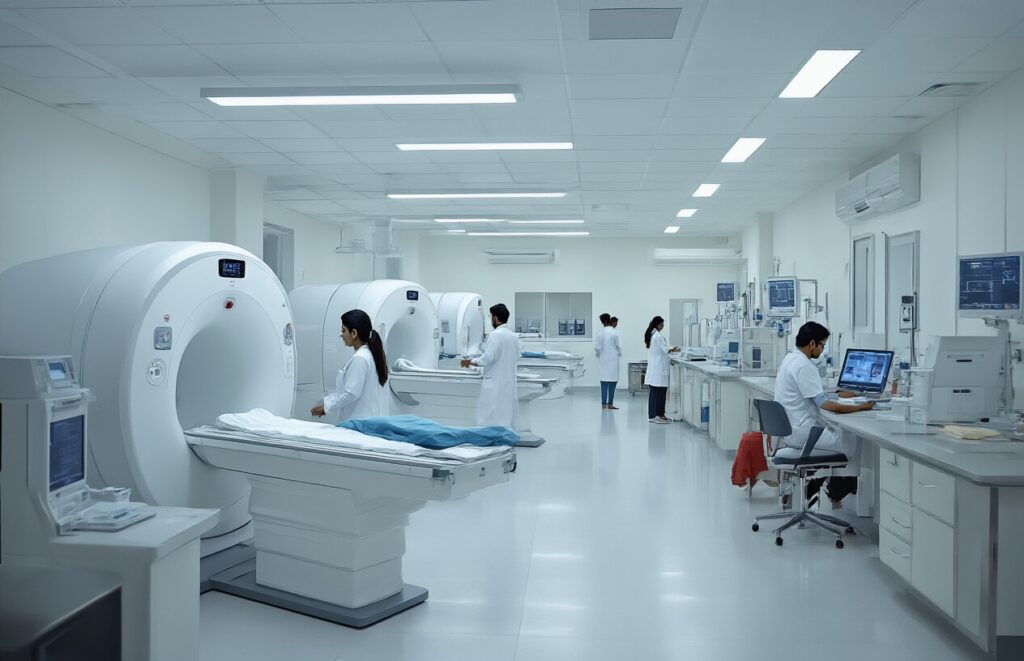
India’s diagnostic landscape shows a stark divide in access to healthcare between urban and rural areas. While metropolitan cities have advanced diagnostic centers with state-of-the-art technology, rural areas lack basic laboratory services. Over 70% of India’s population lives in rural regions, yet these areas have access to only 25% of diagnostic facilities. This geographic imbalance forces patients to travel hundreds of kilometers for routine tests, creating significant delays in diagnosis and treatment. The concentration of diagnostic infrastructure in urban centers leaves rural populations underserved and vulnerable.
Technology Gap in Medical Equipment
The technology disparity across India’s healthcare system creates substantial diagnostic challenges. Modern equipment such as MRI machines, CT scanners, and advanced pathology analyzers remains concentrated in tier-1 cities and private hospitals. Many public healthcare facilities operate with outdated equipment that produces unreliable results or requires frequent maintenance. This technological divide means patients in smaller cities and rural areas cannot access sophisticated diagnostic procedures locally. The lack of standardized equipment also leads to inconsistent test results and reduced diagnostic accuracy.
Shortage of Trained Diagnostic Personnel
India faces a critical shortage of qualified diagnostic professionals across all levels of healthcare. The country requires approximately 2.3 million healthcare workers but currently faces significant shortages of radiologists, pathologists, and laboratory technicians. Rural areas are particularly affected by this shortage, with many diagnostic centers operating without adequately trained staff. This personnel deficit leads to delayed test results, increased error rates, and reduced diagnostic capacity. Many qualified professionals prefer urban postings, leaving smaller towns and villages with inadequate diagnostic expertise.
Limited Laboratory Network Coverage
India’s laboratory network coverage remains patchy, with significant gaps in quality and accessibility. While the country has over 100,000 pathology laboratories, most are concentrated in urban areas and lack proper accreditation. Quality control standards vary widely, leading to unreliable test results and patient safety concerns. The absence of integrated laboratory information systems prevents efficient data sharing between facilities. Many remote areas completely lack laboratory services, forcing patients to delay essential diagnostic procedures or seek expensive alternatives in distant cities.
Direct Economic Losses from Delayed Diagnoses

Increased Treatment Costs for Advanced Disease Stages
Cancer treatment costs jump dramatically when caught late – early-stage breast cancer might cost ₹2-3 lakhs, but advanced stages can reach ₹15-20 lakhs. Cardiovascular diseases exhibit similar patterns, with emergency interventions costing 5-10 times as much as preventive care. Delayed diabetes diagnosis leads to expensive complications like kidney failure, requiring dialysis at ₹3,000 per session.
Extended Hospital Stay Expenses
Delayed diagnoses lead to longer hospitalizations, with ICU stays averaging ₹15,000- ₹ 25,000 per day. Emergency admissions for preventable complications cost hospitals significantly more than planned procedures. These extended stays create bed shortages, forcing hospitals to turn away other patients, lose potential revenue, and increase operational costs.
Indirect Financial Impact on the Healthcare System

Preventable Emergency Care Costs
Emergency departments across India see countless patients who could have avoided critical situations with timely diagnostics. Late-stage diabetes complications, undetected cardiovascular issues, and advanced cancer cases flood emergency rooms daily. These preventable admissions cost hospitals 3-5 times as much as routine diagnostic screenings would have initially.
Resource Wastage Due to Misdiagnosis
Incorrect initial diagnoses lead to unnecessary treatments, repeated tests, and prolonged hospital stays. Medical resources get diverted from patients who truly need them, while healthcare facilities struggle with inefficient resource allocation. This mismanagement creates ripple effects throughout the entire healthcare delivery chain.
Insurance Claim Escalations
Health insurance companies face mounting pressure as diagnostic delays lead to costly treatment claims. Simple conditions that could be managed with early detection become complex cases requiring specialized interventions. Insurance providers respond by increasing premiums and reducing coverage, making healthcare less accessible for average families.
Government Healthcare Budget Strain
Public healthcare systems bear the financial burden of advanced-stage treatments that could have been prevented. Government hospitals allocate disproportionate resources to manage complications rather than investing in preventive diagnostic infrastructure. This reactive approach drains public health budgets and limits funds available for expanding healthcare access to underserved populations.
Patient and Family Financial Burden

Out-of-Pocket Medical Expenses
When diagnostic gaps force patients into emergency care or specialist consultations, families face crushing financial burdens. A missed early diabetes diagnosis can escalate into diabetic ketoacidosis, requiring ICU admission costing ₹50,000-100,000 versus routine blood tests costing ₹500. Rural families often spend 3-4 times their monthly income on a single diagnostic procedure in urban centers, including travel and accommodation costs.
Loss of Household Income
Diagnostic delays lead to cascading income losses as primary earners miss work due to repeated hospital visits. Breadwinners accompanying sick family members to distant diagnostic centers lose daily wages, while prolonged undiagnosed illnesses force early retirement or job changes. Small business owners, in particular, suffer when health issues remain unresolved, directly affecting their enterprises and employees’ livelihoods.
Catastrophic Healthcare Expenditure
- Threshold Impact: Over 60% of Indian families spending more than 10% of household income on healthcare face diagnostic-related expenses
- Debt Spiral: Delayed diagnoses push families into borrowing cycles, with average healthcare debt reaching ₹50,000-200,000
- Asset Liquidation: Families sell livestock, jewelry, or property to fund advanced diagnostic tests and treatments
| Economic Impact | Early Diagnosis | Delayed Diagnosis |
| Average Cost | ₹2,000-5,000 | ₹25,000-100,000 |
| Income Loss Days | 1-2 days | 15-30 days |
| Asset Sale Risk | Minimal | High |
Economic Consequences of Missed Early Detection

Cancer and Chronic Disease Management Costs
Late-stage cancer treatment costs 3-5 times more than early detection scenarios, with India spending ₹50,000 crore annually on advanced cancer care that could have been prevented. Chronic diseases like diabetes and hypertension, when diagnosed late, require extensive interventions, including dialysis, cardiac surgeries, and lifelong medication regimens, creating cascading financial burdens across the healthcare infrastructure.
Preventable Mortality Economic Loss
India loses approximately ₹6.2 trillion annually due to premature deaths from preventable diseases, representing 8.5% of GDP according to World Health Organization estimates. Each preventable death eliminates decades of potential economic contribution, and the loss of a productive workforce particularly affects the manufacturing and service sectors, where skilled labor shortages directly affect national competitiveness.
Reduced Quality-Adjusted Life Years
Delayed diagnoses significantly diminish Quality-Adjusted Life Years (QALYs), with economic valuations reaching ₹2.1 million per QALY lost in urban populations. Chronic pain, disability, and reduced mobility from undiagnosed conditions force premature workforce exits, creating dual economic impact through lost productivity and increased social security obligations that strain government resources across multiple sectors.
Solutions to Bridge the Diagnostic Gap

Telemedicine and Remote Diagnostic Technologies
Digital platforms enable specialists to review diagnostic images and lab results from remote locations, dramatically reducing the time between testing and diagnosis. AI-powered diagnostic tools can analyze X-rays, ECGs, and pathology slides with accuracy comparable to that of trained radiologists, making expert-level interpretation accessible in underserved areas.
Public-Private Partnership Models
Collaborative frameworks between government healthcare systems and private diagnostic companies can create sustainable funding models for the deployment of advanced equipment. These partnerships leverage private-sector efficiency while maintaining public health care accessibility, sharing costs and expertise to expand diagnostic capabilities across tier-2 and tier-3 cities.
Mobile Health Units for Rural Areas
Equipped diagnostic vans provide essential testing capabilities in remote villages, thereby eliminating transportation barriers that impede early disease detection. These units perform blood tests, ultrasound, and basic imaging and connect to urban specialists via satellite communication for immediate consultation and treatment recommendations.
Training Programs for Healthcare Workers
Skill development initiatives for primary healthcare workers focus on recognizing early symptoms and operating point-of-care diagnostic devices. Standardized training modules ensure consistent diagnostic quality across rural health centers, enabling frontline workers to make informed decisions and appropriately refer complex cases to higher-level facilities.
Return on Investment for Improved Diagnostics

Healthcare Cost Savings from Early Detection
Early diagnostic interventions deliver substantial cost savings by catching diseases before they require expensive treatments. When conditions like diabetes, cardiovascular disease, and cancer are detected in their initial stages, treatment costs drop by 60-80% compared to advanced-stage management. Prevention screenings that cost ₹500-2,000 can prevent hospitalizations valued at ₹50,000-5 lakhs, providing immediate financial relief for both patients and healthcare systems.
Increased Economic Productivity
Timely diagnosis helps maintain workforce health and productivity, thereby directly boosting India’s economic output. Workers who receive early treatment return to work more quickly and maintain higher productivity throughout their careers. Studies show that every rupee invested in diagnostic infrastructure generates economic returns of ₹4-6 through reduced sick leave, lower disability claims, and sustained employment. This productivity gain becomes especially valuable in India’s growing economy, where human capital drives growth.
Reduced Disease Burden Financial Impact
Better diagnostics reduce the overall financial burden of disease on society by preventing complications and reducing long-term care needs. When chronic conditions are managed early, families spend 70% less on medical expenses over time. The healthcare system also benefits from reduced emergency room visits, shorter hospital stays, and fewer specialist referrals. This creates a positive cycle in which saved resources can support additional diagnostic programs and reach underserved populations.
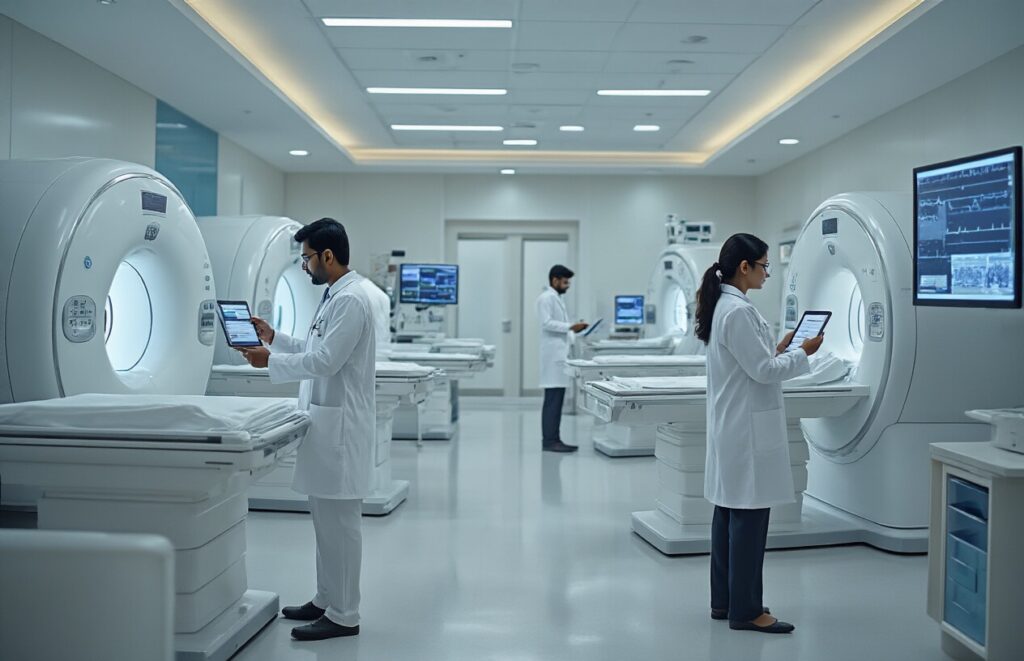
India’s diagnostic healthcare gap creates a costly domino effect that touches every corner of the economy. From delayed cancer diagnoses costing millions in advanced treatments to families selling assets for medical emergencies, the financial toll keeps mounting. When basic diagnostic tools remain out of reach in rural areas and urban centers struggle with outdated equipment, the entire healthcare system becomes less efficient and more expensive to operate.
The good news is that smart investments in diagnostic infrastructure can turn this around. Every rupee spent on improved diagnostic tools, mobile health units, and telemedicine capabilities yields substantial returns by detecting diseases early and reducing treatment costs. The path forward requires both government commitment and private sector innovation to build a diagnostic network that serves all Indians, not just those in major cities. The economic case for change is clear – the question now is how quickly we can act on it.