

A CT abdomen & pelvis with contrast is a detailed imaging scan that helps doctors see inside your body using special dye to highlight organs, blood vessels, and potential problems. This comprehensive guide is designed for patients scheduled for this procedure, their family members, and anyone wanting to understand what this common diagnostic test involves.
You’ll learn about the essential preparation steps you need to follow before your scan, including fasting requirements and medication adjustments. We’ll also walk you through the actual scan experience so you know exactly what to expect during your appointment. Finally, we’ll cover the important safety considerations and potential risks, helping you make informed decisions about your healthcare and communicate effectively with your medical team.
Understanding CT Abdomen & Pelvis With Contrast
What is a CT scan with contrast and how it works
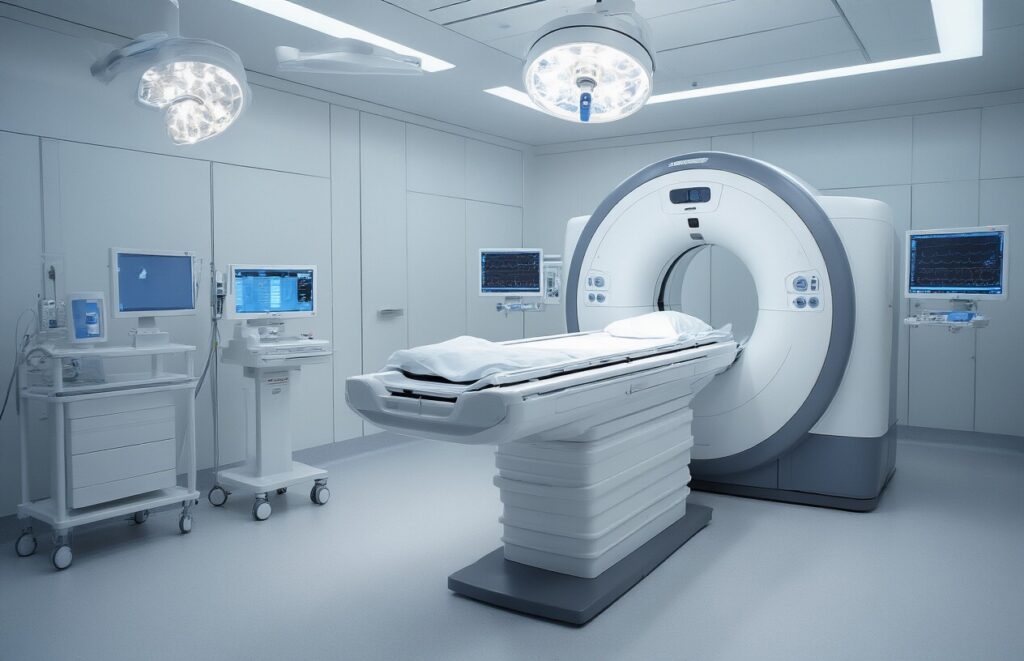
A CT scan with contrast uses iodine-based dye injected through an IV to create detailed cross-sectional images of your abdomen and pelvis. The contrast material highlights blood vessels, organs, and tissues, making abnormalities more visible than standard X-rays. Advanced computer technology processes multiple X-ray images taken from different angles to produce comprehensive views of internal structures.
Key differences between contrast and non-contrast CT scans
| Feature | With Contrast | Without Contrast |
| Image clarity | Enhanced soft tissue detail | Basic organ visualization |
| Blood vessel visibility | Clearly outlined | Poorly defined |
| Tumor detection | Superior accuracy | Limited sensitivity |
| Preparation time | Requires fasting and IV access | Minimal preparation |
| Scan duration | 20-30 minutes | 10-15 minutes |
Why doctors order this specific imaging test
Doctors recommend contrast CT scans when they need precise visualization of:
- Suspected infections like appendicitis or abscesses
- Digestive tract disorders including inflammatory bowel disease
- Kidney and bladder problems such as stones or tumors
- Reproductive system issues in both men and women
- Cancer staging and treatment monitoring
- Unexplained abdominal pain or masses
What areas of the body are examined
The scan covers everything from your diaphragm down to your pelvic floor, including:
Abdominal organs:
- Liver, gallbladder, and bile ducts
- Pancreas and spleen
- Kidneys and adrenal glands
- Stomach and intestines
Pelvic structures:
- Bladder and reproductive organs
- Lymph nodes and blood vessels
- Pelvic bones and surrounding muscles
Essential Pre-Scan Preparation Steps

Dietary Restrictions and Fasting Requirements
Complete fasting for 4-6 hours before your scan is typically required to ensure optimal contrast absorption and image quality. Clear liquids like water are usually permitted up to 2 hours before the procedure, though specific timing varies by facility.
Your doctor may recommend a low-fiber diet 24-48 hours prior to reduce bowel gas that can interfere with imaging. Avoid dairy products, carbonated beverages, and foods high in sugar, as these can affect contrast distribution and create artifacts on your scan.
Medication Adjustments and What to Discuss with Your Doctor
Blood thinners, diabetes medications, and certain supplements require careful management before contrast imaging. Metformin users need special attention since the drug can interact with contrast agents, potentially affecting kidney function. Your physician will determine if temporary discontinuation is necessary.
Inform your medical team about all prescription drugs, over-the-counter medications, and herbal supplements you’re taking. Some medications may need timing adjustments rather than complete cessation, while others require alternative dosing schedules to prevent complications during the scanning process.
Clothing Guidelines and What to Bring to Your Appointment
Wear comfortable, loose-fitting clothes without metal components like zippers, underwire bras, or belt buckles, as these create imaging artifacts. Two-piece outfits work best since you may only need to change your top, and avoid jewelry or accessories that contain metal.
Bring your photo identification, previous imaging studies on CD if requested, and a complete list of your current medications. Consider bringing a book or entertainment device for potential waiting periods, and arrange transportation if you’re concerned about post-scan effects from the contrast material.
Common Medical Uses and Diagnostic Benefits

Detecting abdominal organ diseases and abnormalities
CT scans with contrast provide detailed images of the liver, kidneys, pancreas, spleen, and intestines. The contrast agent highlights blood flow and tissue density differences, making it easier to spot organ damage, blockages, or structural problems. Doctors can identify conditions like kidney stones, liver disease, bowel obstructions, and pancreatic disorders with remarkable precision.
Identifying tumors, cysts, and cancer staging
The enhanced imaging reveals suspicious masses, determines their size and location, and shows whether cancer has spread to nearby organs or lymph nodes. Contrast helps distinguish between benign cysts and malignant tumors by showing how blood flows through different tissues. This information guides treatment decisions and helps oncologists plan surgery or other therapies.
Evaluating blood vessels and circulation problems
- Aneurysm detection: Spots dangerous bulges in blood vessel walls
- Blockage identification: Reveals clots or narrowed arteries
- Vascular malformations: Shows abnormal blood vessel connections
- Post-surgical monitoring: Checks blood flow after vessel repairs
Diagnosing inflammatory conditions and infections
Contrast CT scans highlight areas of infection or inflammation by showing increased blood flow to affected tissues. Conditions like appendicitis, diverticulitis, inflammatory bowel disease, and abscesses become clearly visible. The scan can also track how well antibiotics or other treatments are working by monitoring changes in inflammation patterns over time.
Emergency trauma assessment capabilities
Emergency rooms rely on contrast CT scans to quickly assess internal bleeding, organ damage, and fractures after accidents. The scan can detect life-threatening conditions like ruptured organs, internal hemorrhaging, or blood clots within minutes. This rapid diagnosis allows medical teams to prioritize treatments and potentially save lives when every second counts.
The Complete Scan Procedure Experience
What happens during the contrast injection
The contrast injection typically occurs through an IV line placed in your arm before the scan begins. You’ll feel a warm, metallic taste in your mouth and a spreading warmth throughout your body – this is completely normal. Some patients experience a brief sensation of needing to urinate, but this passes quickly within seconds.
Step-by-step breakdown of the scanning process
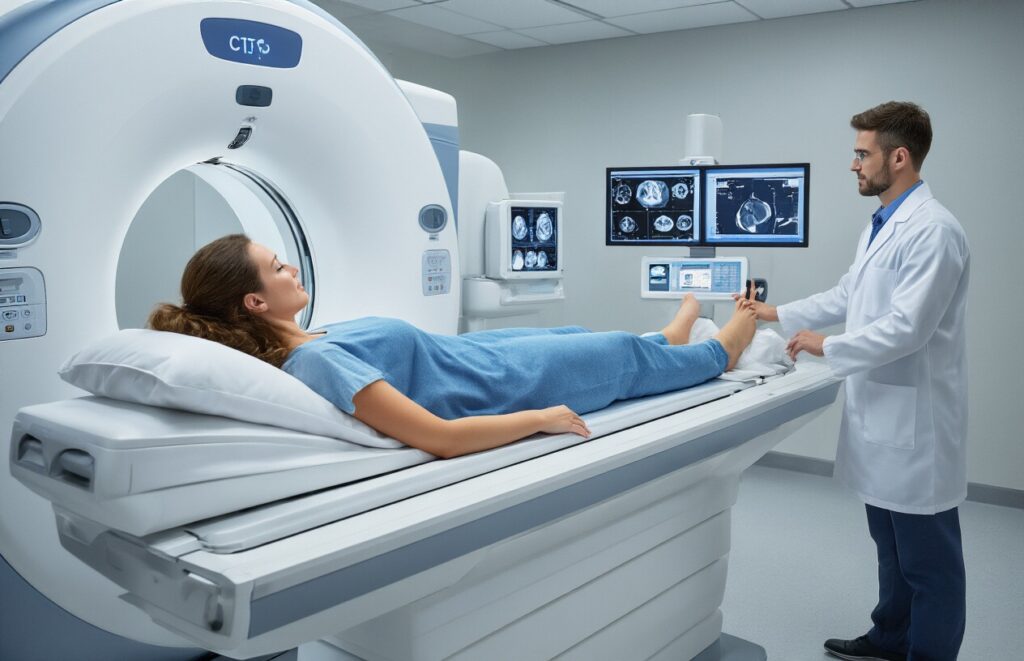
You’ll lie on a motorized table that slides through the CT scanner’s circular opening. The technologist positions you properly and may place pillows for comfort. The machine makes whirring and clicking sounds as it rotates around your body, taking detailed cross-sectional images. You’ll need to hold your breath for short periods when instructed to ensure clear pictures.
How long the procedure takes and what to expect
The entire appointment usually takes 30-60 minutes, though the actual scanning time is only 10-15 minutes. Most of your time involves preparation, IV placement, and positioning. The procedure is painless, and you can resume normal activities immediately afterward. Results are typically available within 24-48 hours through your doctor.
Important Safety Considerations and Risk Factors

Contrast Allergies and Adverse Reaction Symptoms
Iodine-based contrast agents can trigger reactions ranging from mild to severe. Watch for symptoms like nausea, vomiting, hives, or difficulty breathing during or after your scan. Tell your medical team immediately about any unusual sensations, including metallic taste, warmth, or skin tingling.
Severe allergic reactions, though rare, require emergency treatment. Your physician will assess your allergy history and may prescribe pre-medication or use alternative imaging methods if you’ve had previous contrast reactions.
Kidney Function Concerns and Contraindications
Your kidneys filter contrast material from your blood, making kidney function critical before the scan. Patients with chronic kidney disease, diabetes, or dehydration face higher risks of contrast-induced nephropathy. Blood tests measuring creatinine levels help doctors determine if contrast use is safe.
Certain medications like metformin may need temporary discontinuation. Proper hydration before and after the procedure helps protect kidney function and speeds contrast elimination from your system.
Pregnancy and Breastfeeding Safety Guidelines
CT scans expose developing babies to radiation, making pregnancy a key consideration. Always inform your doctor if you’re pregnant or might be pregnant, as alternative imaging like ultrasound or MRI may be safer options for diagnosis.
Breastfeeding mothers can typically continue nursing after contrast CT scans. Modern contrast agents pass into breast milk in minimal amounts and don’t require pumping and discarding milk, though some women choose to wait 4-6 hours before breastfeeding.
Radiation Exposure Levels and Frequency Limitations
| Scan Type | Radiation Dose (mSv) | Equivalent to |
| CT Abdomen/Pelvis | 10-15 | 3-5 years background radiation |
| Chest X-ray | 0.1 | 10 days background radiation |
| Annual limit for workers | 20 | Professional safety standard |
Radiation exposure accumulates over time, so doctors weigh benefits against risks for each scan. Multiple CT scans within short periods may increase cancer risk slightly, especially in younger patients. Keep records of all imaging procedures and discuss frequency concerns with your physicican to ensure appropriate spacing between scans.
Post-Scan Care and Results Timeline

Immediate aftercare instructions and hydration needs
Right after your CT scan, drinking plenty of water becomes your main priority. The contrast dye needs to flush out of your system, so aim for 6-8 glasses of water over the next 24 hours. Most people feel completely normal and can return to regular activities immediately, including driving and eating normally.
When and how you will receive your results
Follow-up appointments and next steps
Your radiologist will analyze the images and send a detailed report to your doctor within 1-2 business days. Don’t expect instant results – quality interpretation takes time. Your physician will contact you to discuss findings and schedule any necessary follow-up appointments based on what the scan reveals about your condition.
Getting a CT scan of your abdomen and pelvis with contrast doesn’t have to be stressful when you know what to expect. The prep work is pretty straightforward – follow the fasting guidelines, drink plenty of water, and let your medical team know about any medications or health conditions. This scan gives doctors an incredibly detailed look at your organs, blood vessels, and tissues, helping them spot everything from infections to tumors with amazing accuracy.
Your safety is the top priority during this procedure, and the medical staff will check for any potential issues with the contrast dye beforehand. Most people tolerate the scan just fine, though you might feel a warm sensation when the contrast is injected. After your scan, you can usually get back to your normal routine right away, and your results will typically be ready within a few days. Trust your healthcare team, ask questions if you have them, and remember that this scan is a powerful tool that can provide the answers you and your doctor need to move forward with the best possible care.