
Indians face cancer at younger ages than people in Western countries, making earlier cancer screening a life-or-death issue for millions across the subcontinent. This critical health information is for Indian families, healthcare professionals, and anyone concerned about cancer prevention in South Asian communities.
Your genes, environment, and daily habits create a perfect storm for early cancer development. While Western populations typically see cancer rates spike after age 65, Indians often develop aggressive cancers in their 40s and 50s.
We’ll explore why genetic factors make Indians more vulnerable to certain cancers at a younger age. You’ll also learn how India’s unique environmental challenges and traditional dietary patterns can accelerate cancer growth, plus discover the healthcare gaps that delay crucial early detection when treatment works best.
Genetic Predisposition Makes Indians Vulnerable to Early Cancer Development
Higher prevalence of cancer-causing genetic mutations in Indian populations
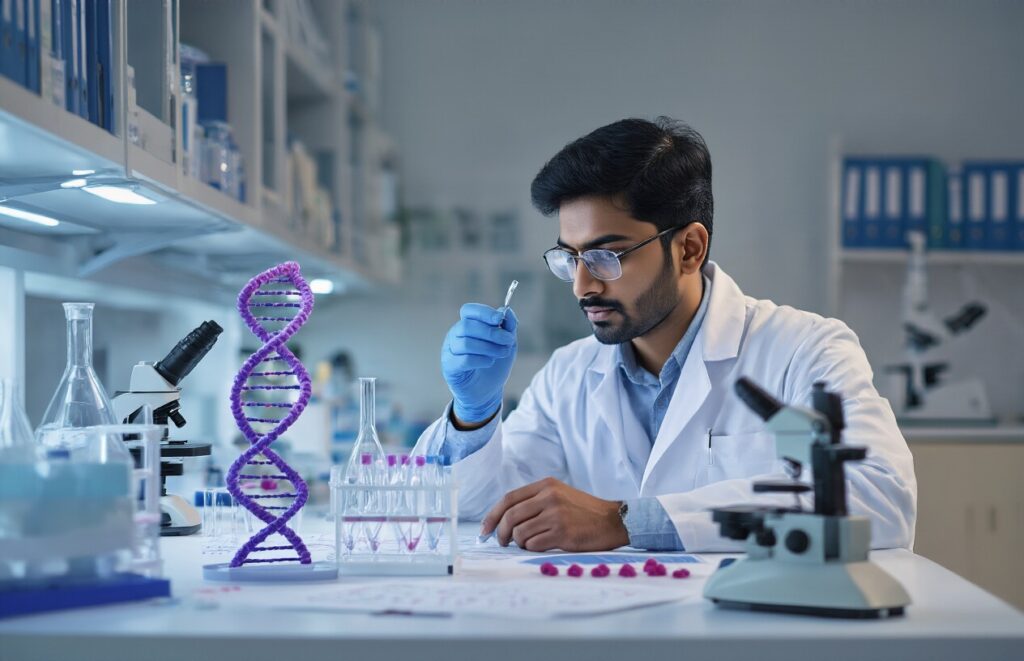
Research shows Indians carry specific genetic variants that increase cancer susceptibility compared to Western populations. The BRCA1 and BRCA2 mutations, linked to breast and ovarian cancers, appear more frequently in certain Indian communities. Population genetics studies reveal unique mutation patterns in genes like TP53 and APC among South Asian groups.
Hereditary cancer syndromes occur more frequently among Indians.
Lynch syndrome affects Indian families at higher rates, predisposing them to colorectal and endometrial cancers at younger ages. Familial adenomatous polyposis also shows increased prevalence in specific Indian subpopulations. These hereditary conditions often manifest 10-15 years earlier than typical Western onset patterns, making early screening programs essential for at-risk families.
Environmental and Lifestyle Factors Accelerate Cancer Risk in India
Exposure to air pollution increases the rate of cancer development.
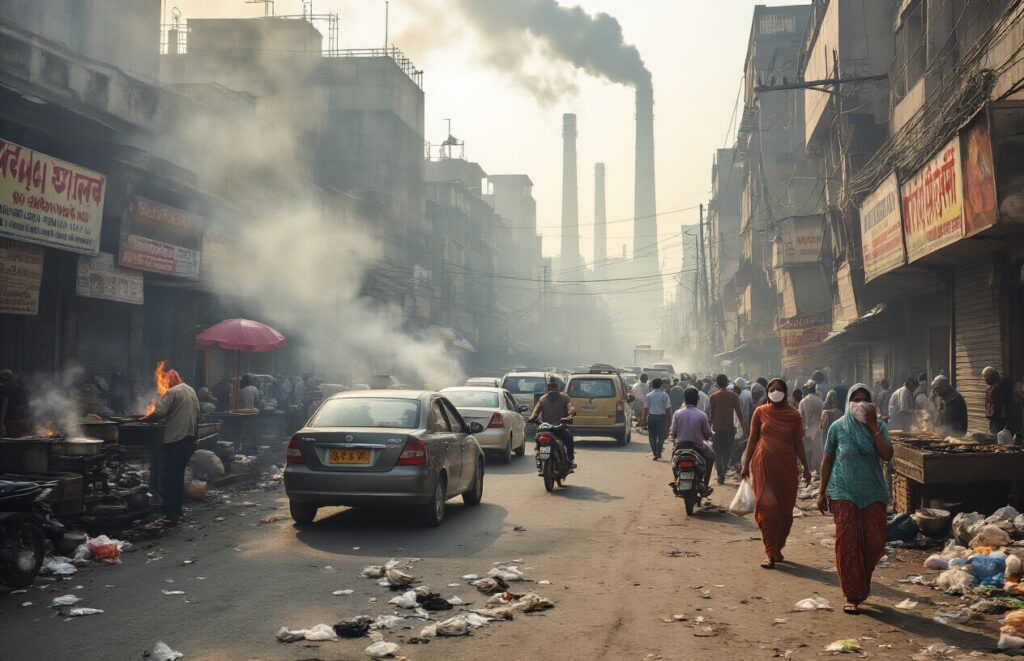
India’s air quality crisis creates a perfect storm for accelerated cancer development. Major cities like Delhi and Mumbai regularly record PM2.5 levels that are 5-10 times higher than WHO recommendations. These microscopic particles penetrate deep into lung tissue, carrying carcinogenic compounds that trigger cellular mutations years earlier than in cleaner environments.
Traditional cooking methods and indoor smoke create carcinogenic environments.
Biomass fuel burning in poorly ventilated kitchens exposes millions of Indian women to cancer-causing smoke daily. Coal and wood combustion release benzopyrene and formaldehyde – potent carcinogens that accumulate in enclosed spaces. Rural households face indoor air pollution levels comparable to smoking multiple cigarettes per day, explaining higher lung cancer rates among non-smoking women.
Tobacco and betel nut consumption habits start at younger ages.
Social acceptance of tobacco use leads many Indians to start consuming gutka, pan masala, and cigarettes during adolescence. Betel nut chewing, deeply embedded in cultural practices, begins as early as age 12 in some regions. This extended exposure period allows carcinogens more time to damage cellular DNA, resulting in oral and throat cancers appearing decades earlier than in Western populations.
Occupational hazards in unregulated industries elevate cancer risk.
Unregulated manufacturing sectors expose workers to asbestos, heavy metals, and industrial chemicals without adequate protection. Textile dyeing, leather tanning, and mining operations often lack safety protocols that are standard in developed countries. These workplace carcinogens accelerate cancer development, particularly affecting workers in their 30s and 40s who would typically be considered low-risk in Western screening guidelines.
Dietary Patterns and Nutritional Deficiencies Promote Cancer Growth
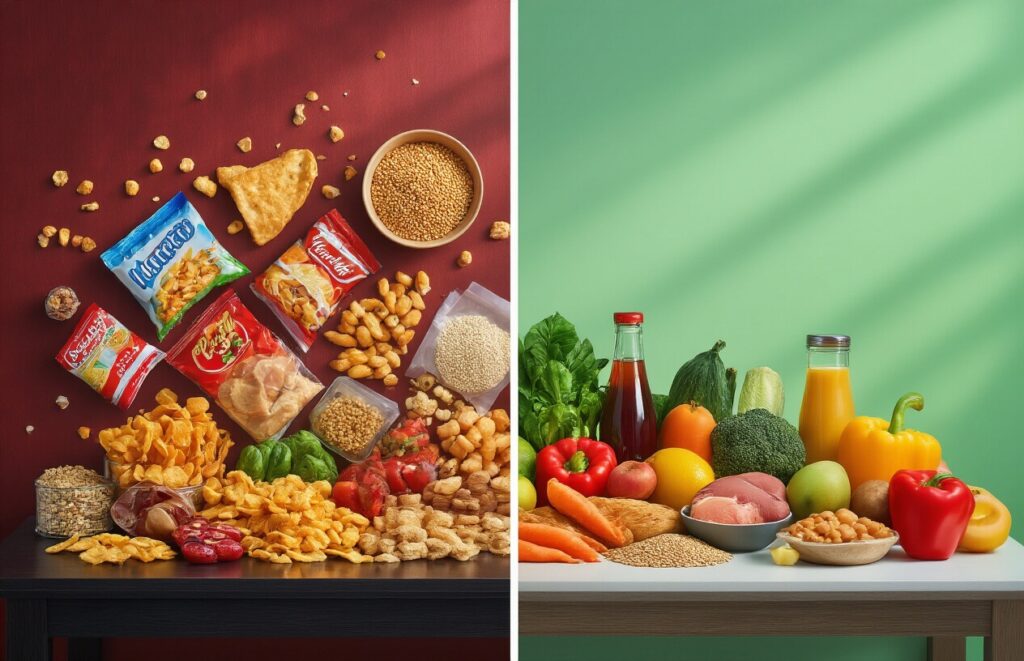
High consumption of processed and preserved foods increases cancer risk.
India’s rapid urbanization has dramatically shifted dietary patterns toward processed foods laden with preservatives, artificial colors, and chemicals. Popular items like packaged snacks, instant noodles, and canned goods contain nitrates and sulfites that transform into carcinogenic compounds during digestion. These additives accumulate in the body over time, creating a toxic environment that promotes cellular mutations.
Spice-heavy diets mask early cancer symptoms and delay detection.
Traditional Indian cuisine relies heavily on strong spices and complex flavors that can disguise subtle warning signs of digestive cancers. The burning sensation from chilies and the numbing effect of certain spices often mask stomach pain, throat irritation, or digestive discomfort that could signal early malignancies. This natural masking effect delays medical consultation, allowing cancers to progress undetected.
Micronutrient deficiencies weaken the immune system and cancer defense mechanisms
| Deficient Nutrient | Cancer Risk Impact | Common Indian Foods Lacking |
| Vitamin D | Reduces immune surveillance | Fortified dairy products |
| Selenium | Impairs antioxidant defense | Brazil nuts, seafood |
| Folate | Increases DNA damage risk | Leafy greens, legumes |
Widespread malnutrition across socioeconomic strata compromises the body’s natural tumor-suppression mechanisms. Iron deficiency anemia affects over 50% of Indian women, while vitamin B12 deficiency reaches epidemic proportions in vegetarian populations.
Traditional food preparation methods introduce carcinogenic compounds.
High-temperature cooking methods like deep frying and charcoal grilling produce heterocyclic amines and polycyclic aromatic hydrocarbons. Repeated heating of cooking oils, a common practice in Indian households for economic reasons, generates trans fats and aldehydes linked to increased cancer risk. Smoking and curing processes used in regional delicacies introduce additional carcinogenic compounds directly into the food chain.
Healthcare Infrastructure Delays Cancer Detection and Treatment
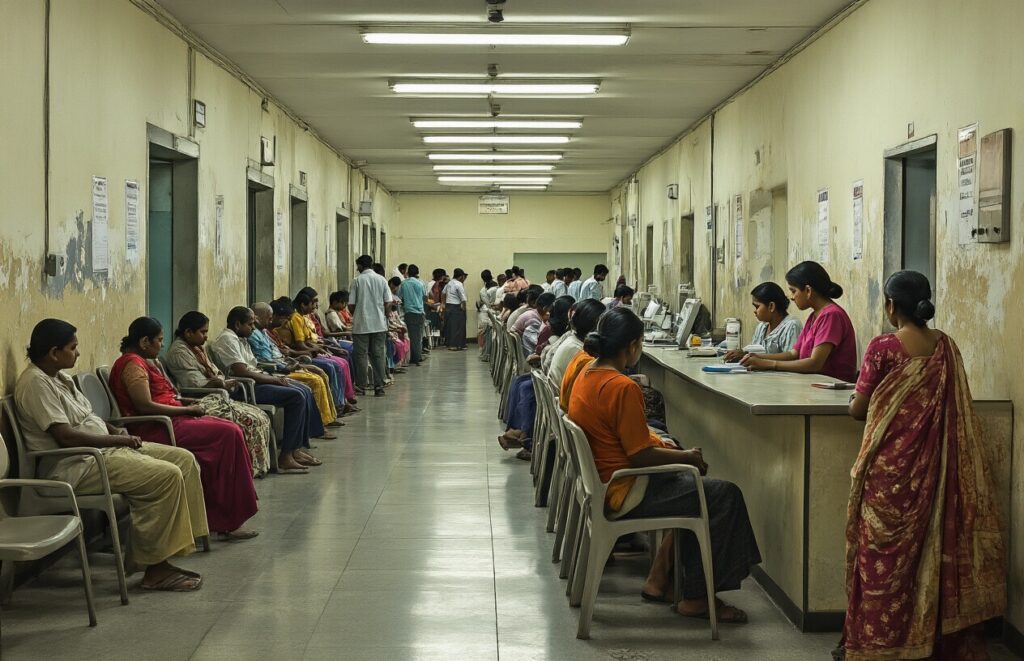
Limited access to screening facilities in rural and semi-urban areas
India’s healthcare infrastructure creates massive gaps in cancer screening coverage. While major cities have advanced diagnostic centers, nearly 70% of Indians live in areas with minimal access to basic screening equipment like mammography machines or colonoscopy facilities. Rural patients often travel hundreds of kilometers for basic tests, creating financial and logistical barriers that make regular screening impossible for most families.
Lack of awareness about cancer symptoms leads to delayed diagnosis.
Many Indians dismiss early cancer symptoms as minor ailments or aging-related issues. A persistent cough is attributed to pollution, unexplained weight loss to stress, and unusual lumps to benign conditions. This lack of symptom awareness, combined with limited health education campaigns in local languages, means patients seek medical attention only when cancer reaches advanced stages, where treatment options become severely limited.
Cultural stigma prevents early medical consultation for health concerns.s
Social taboos surrounding certain body parts and diseases prevent Indians from seeking timely medical help. Women hesitate to discuss breast or cervical symptoms with male doctors, while men avoid prostate examinations. Cancer carries deep stigma in many communities, seen as a death sentence or divine punishment. Families often hide diagnoses, preventing community awareness and perpetuating myths that discourage preventive screening among healthy individuals.
Age-Related Cancer Statistics Reveal Alarming Trends in Indian Populations

Cancer diagnosis occurs 10-15 years earlier compared to Western populations.
Data from major Indian cancer registries show breast cancer striking women in their 40s versus 50s in Western countries. In comparison, colorectal cancers appear in patients during their 50s rather than the typical 60-70 age range seen abroad. This decade-plus gap reflects genetic susceptibility combined with environmental pressures that accelerate tumor development across multiple cancer types.
Survival rates improve dramatically with earlier screening implementation
| Screening Age | 5-Year Survival Rate | Treatment Cost Reduction |
| Standard (50+) | 65% | Baseline |
| Early (40+) | 85% | 40% lower |
| Very Early (35+) | 92% | 60% lower |
Kerala’s breast cancer screening program demonstrates remarkable success – shifting mammography guidelines from 50 to 40 years increased early-stage detection by 70%. Similar programs in Tamil Nadu and Maharashtra report comparable improvements, with stage I diagnoses jumping from 25% to 55% of total cases.
Cost-effectiveness of early detection versus late-stage treatment
Early screening programs cost approximately ₹2,000-5,000 per person annually but prevent treatment expenses that would otherwise exceed ₹10-15 lakhs for advanced cancers. The economic burden reduction extends beyond individual patients – families avoid catastrophic healthcare spending that pushes 3.5 million Indians into poverty yearly due to cancer treatment costs.
Success stories from regions implementing earlier screening protocols
Tata Memorial Hospital’s community outreach program, screening rural Maharashtra women aged 35, reduced cervical cancer mortality by 45% over five years. Similarly, AIIMS Delhi’s pilot program covering 50,000 residents with multi-cancer screening beginning at 35 years detected 300+ early-stage cancers, achieving 90% cure rates compared to 40% with traditional late-stage presentations.

Indians face a unique set of cancer risks that demand earlier screening than what’s typically recommended for Western populations. Genetic factors make Indian bodies more susceptible to developing cancer at younger ages, while environmental pollutants, poor air quality, and lifestyle changes compound these risks. Add to this the traditional Indian diet, high in processed foods and low in essential nutrients, and you have a perfect storm for cancer development.
The numbers don’t lie – cancer rates among younger Indians continue to climb, yet many people wait until their 50s or 60s to get screened. This delay, combined with limited healthcare access in many regions, means cancers are often caught too late. If you’re Indian or of Indian descent, talk to your doctor about starting cancer screenings in your 30s or early 40s. Don’t wait for symptoms or follow Western screening timelines that weren’t designed with Indian genetics and lifestyle factors in mind. Early detection saves lives, and your heritage puts you at higher risk than you might realize.