
India’s healthcare system faces a critical challenge: most diseases are caught when it’s already too late. Cancer cases are diagnosed in advanced stages, diabetes goes unnoticed until complications arise, and heart disease claims lives that could have been saved with early intervention. The preventive healthcare gap in India affects millions of families every year, turning manageable conditions into life-threatening emergencies.
This article is for healthcare professionals, policymakers, and anyone seeking to understand why India struggles to detect diseases promptly despite global medical advances.
We’ll explore the root causes behind India’s preventive healthcare shortfall, including cultural attitudes that prioritize treatment over prevention and resource constraints that limit screening programs. You’ll also discover how gaps in the healthcare system contribute to delayed diagnoses, from understaffed primary care centers to inadequate diagnostic infrastructure in rural areas. Finally, we’ll examine promising technology solutions that are beginning to bridge the prevention gap, showing how digital health tools and telemedicine can transform early disease detection nationwide.
Current State of Disease Detection in India
Alarming statistics on late-stage diagnoses across major diseases
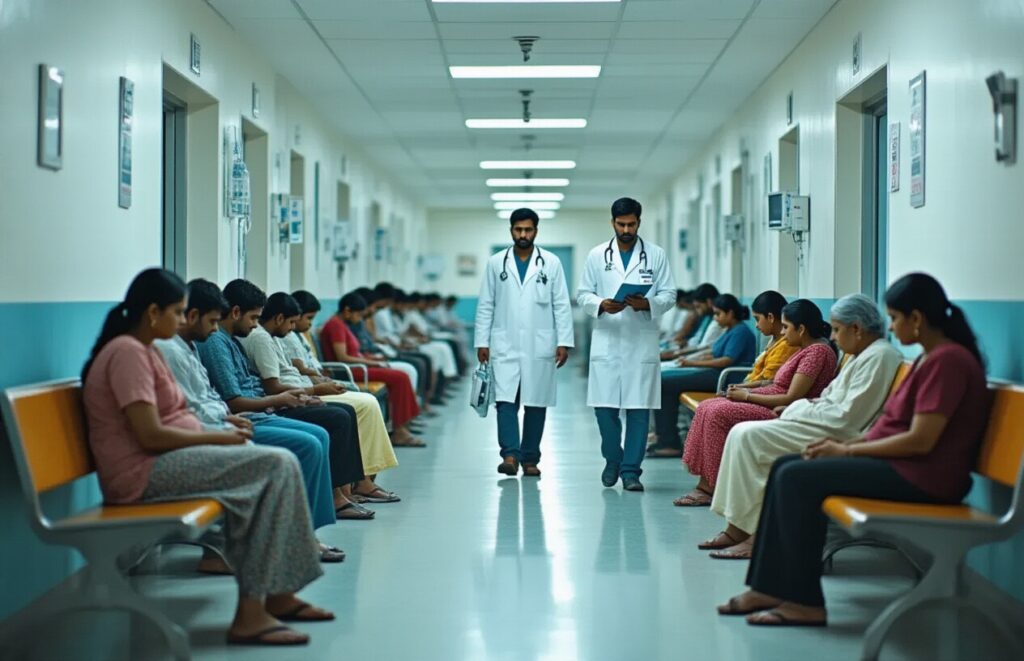
Cancer detection presents India’s most striking challenge – over 70% of patients receive diagnoses only after reaching advanced stages. Heart disease follows similar patterns, with myocardial infarctions often marking the first awareness of underlying cardiovascular issues. Diabetes affects 77 million Indians, yet nearly half remain undiagnosed until complications emerge, like kidney damage or diabetic retinopathy.
Comparison with global early detection rates
| Disease Category | India Early Detection Rate | Global Average | Leading Countries |
| Breast Cancer | 30% | 65% | US (85%), UK (75%) |
| Cervical Cancer | 25% | 55% | Nordic countries (80%) |
| Diabetes | 50% | 75% | Netherlands (90%) |
| Hypertension | 40% | 70% | Japan (85%) |
Western healthcare systems achieve 2-3 times higher early detection rates through systematic screening programs and regular health checkups, which have become cultural norms.
Economic burden of treating advanced-stage diseases
Advanced-stage treatments cost 5-10 times more than early interventions. Cancer treatment expenses can reach ₹15-20 lakhs compared to ₹2-3 lakhs for early-stage cases. Families often exhaust life savings – medical expenses push 63 million Indians into poverty annually. The healthcare system is under additional strain due to ICU admissions, emergency procedures, and extended hospital stays that preventive care could largely avoid.
Root Causes Behind India’s Preventive Healthcare Shortfall
Limited access to regular health screenings in rural areas
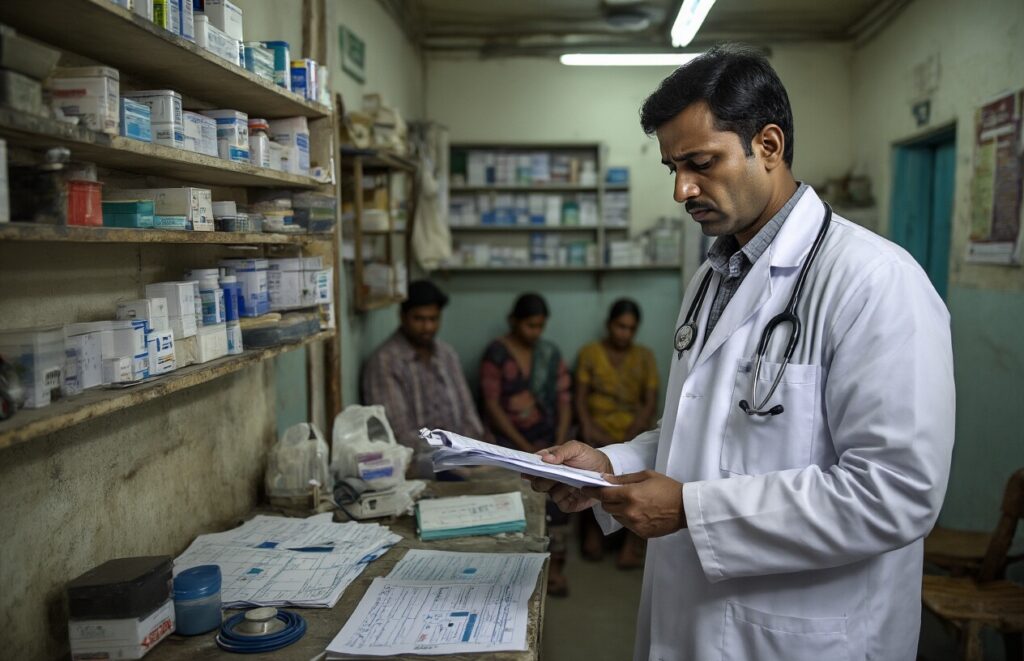
Rural India faces a massive shortage of healthcare facilities and trained professionals. Most primary health centers operate with inadequate equipment and irregular visits by specialists. Diagnostic services like mammography, colonoscopy, and cardiac stress tests remain largely urban-centric, forcing rural residents to travel hundreds of kilometers for basic screenings.
Cultural stigma surrounding preventive medical consultations
Indian society often views doctor visits as signs of weakness or impending doom. Many families avoid routine check-ups, believing they might “invite” illness. Traditional healing practices dominate rural healthcare decisions, while discussing symptoms openly remains taboo, particularly for women’s health issues.
Inadequate healthcare infrastructure for early detection
Public hospitals lack modern diagnostic equipment and face chronic understaffing. Private facilities are concentrated in urban areas, creating detection deserts in smaller cities and villages. Laboratory networks operate inconsistently, with sample transportation delays compromising test accuracy and patient follow-up.
Financial barriers are preventing routine health check-ups.
Most Indians pay out of pocket for healthcare, making preventive care an expensive luxury. Insurance coverage rarely includes wellness screenings, forcing families to choose between routine health monitoring and immediate survival needs. Even subsidized government schemes focus on curative rather than preventive services.
Healthcare System Gaps Contributing to Delayed Diagnoses
Shortage of trained medical professionals for screening programs
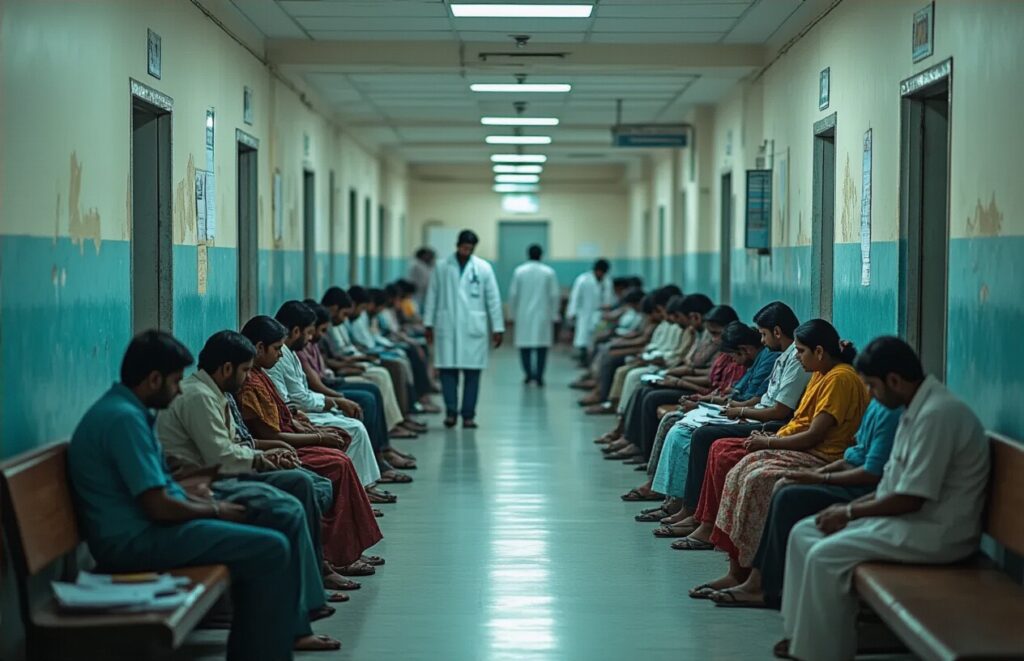
India faces a critical shortage of healthcare professionals qualified to conduct comprehensive screening programs. Rural areas suffer most acutely, with many districts having fewer than one doctor per 10,000 residents. This scarcity means routine screenings for cancer, diabetes, and cardiovascular diseases get delayed or skipped entirely.
Lack of integration between primary and specialized care
The disconnect between primary healthcare centers and specialist facilities creates dangerous gaps in patient care. When primary care doctors identify potential health issues, referral systems often break down due to poor communication networks. Patients frequently get lost between different levels of care, missing critical follow-up appointments and diagnostic procedures.
Insufficient government funding for preventive health initiatives
Government health budgets prioritize curative care over prevention, allocating less than 2% of healthcare spending to preventive programs. This funding shortfall limits the availability of screening equipment, diagnostic tools, and trained personnel needed for early disease detection across India’s vast population.
Patient Behavior Patterns That Delay Early Detection
Tendency to ignore early warning symptoms
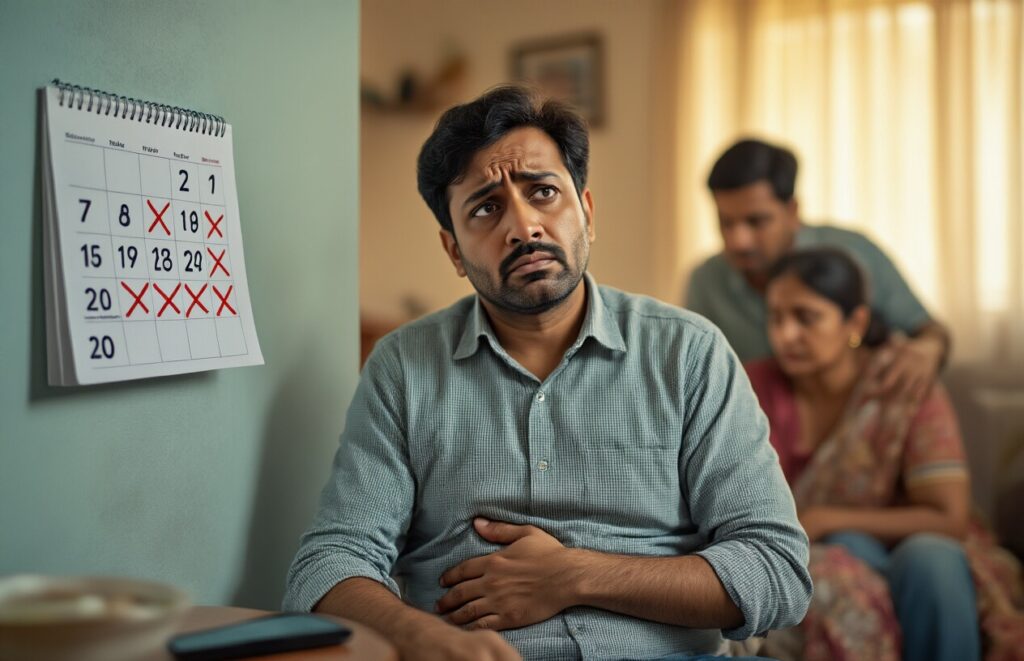
Indians often dismiss subtle symptoms like persistent fatigue, minor chest discomfort, or irregular bowel movements as stress-related or temporary issues. This normalization of warning signs stems from busy lifestyles and cultural acceptance of “pushing through” discomfort. Many patients wait until symptoms become severe or debilitating before seeking medical attention, missing critical early intervention windows.
Reliance on traditional remedies before seeking medical help
Home remedies and traditional medicine remain the first line of treatment for most Indians. While these practices have cultural significance, they often delay proper medical diagnosis when symptoms persist beyond normal recovery periods. Patients typically exhaust multiple traditional approaches before considering modern healthcare, allowing conditions to progress unchecked.
Fear of medical procedures and diagnostic tests
Medical anxiety runs deep in Indian society, with many patients avoiding hospitals due to fear of painful procedures, invasive tests, or receiving bad news. This apprehension extends to routine screenings like blood tests or imaging studies. The fear of potential medical costs and hospitalization further compounds avoidance behavior, creating barriers to timely diagnosis.
Misconceptions about preventive healthcare benefits
Many Indians view preventive healthcare as an unnecessary expense when feeling healthy. Common misconceptions include believing that regular checkups are only for the elderly or sick, that preventive tests can cause diseases, or that early detection doesn’t improve outcomes. These beliefs, combined with limited health literacy, prevent the adoption of screening programs and routine health monitoring practices.
Technology Solutions Bridging the Prevention Gap
Mobile health apps for symptom tracking and health monitoring
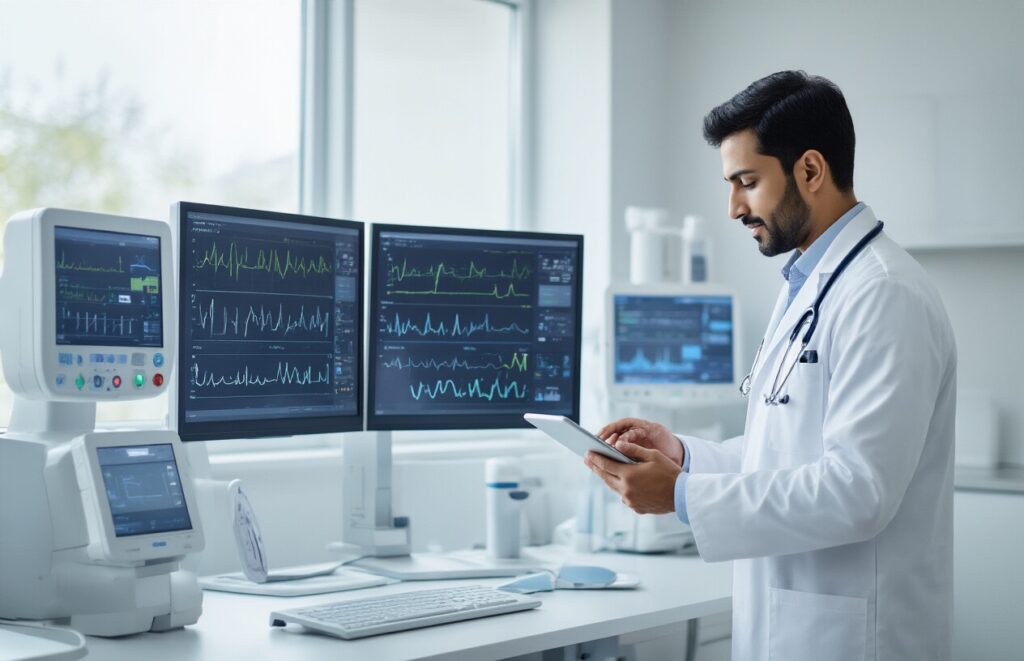
Digital health platforms are transforming preventive care across India’s vast geography. Apps like Practo, Tata 1mg, and MediBuddy now offer comprehensive health tracking features, allowing users to monitor vital signs, medication adherence, and symptom patterns. These platforms democratize health monitoring by bringing clinical-grade insights directly to smartphones.
Telemedicine platforms are expanding access to preventive consultations.
Remote consultation services have broken geographical barriers that previously limited healthcare access in rural India. Platforms such as DocsApp and Apollo’s telemedicine services connect patients with specialists for routine health screenings and early intervention discussions. This technology proves particularly valuable for chronic disease management and regular check-ups in underserved regions.
AI-powered diagnostic tools for early disease detection
Artificial intelligence is revolutionizing early diagnosis through sophisticated pattern recognition algorithms. Companies like Niramai use AI-powered thermal imaging for breast cancer screening, while startups like SigTuple analyze medical images and lab reports to detect anomalies. These tools enhance diagnostic accuracy while reducing dependency on specialist availability, making early detection more accessible across India’s diverse healthcare landscape.
Successful Preventive Healthcare Models Worth Replicating

Community-based screening programs showing measurable results
Tamil Nadu’s ASHA (Accredited Social Health Activist) workers have transformed rural healthcare by conducting door-to-door screenings for diabetes and hypertension. These trained community health workers use simple diagnostic tools and have achieved a 40% improvement in early detection rates across participating villages. The program’s success lies in its culturally sensitive approach and the trust these local workers have built within their communities.
Corporate wellness initiatives are reducing employee health risks.
Leading IT companies like Infosys and TCS have implemented comprehensive health screening programs that include annual health check-ups, on-site medical facilities, and wellness coaching. These initiatives have reduced the progression of lifestyle diseases among employees by 35% and decreased healthcare costs by 20%. Regular biometric screenings, stress management workshops, and nutrition counseling create a proactive health culture that catches problems before they become serious.
Government schemes are improving early detection rates in specific regions.
Kerala’s Aardram Mission has revolutionized primary healthcare by establishing family health centers that prioritize preventive care over curative treatment. The program has increased cancer screening rates by 60% and significantly improved maternal health outcomes. Maharashtra’s population-based screening for cervical cancer using visual inspection techniques has detected precancerous conditions in thousands of women who would otherwise have gone undiagnosed until advanced stages.
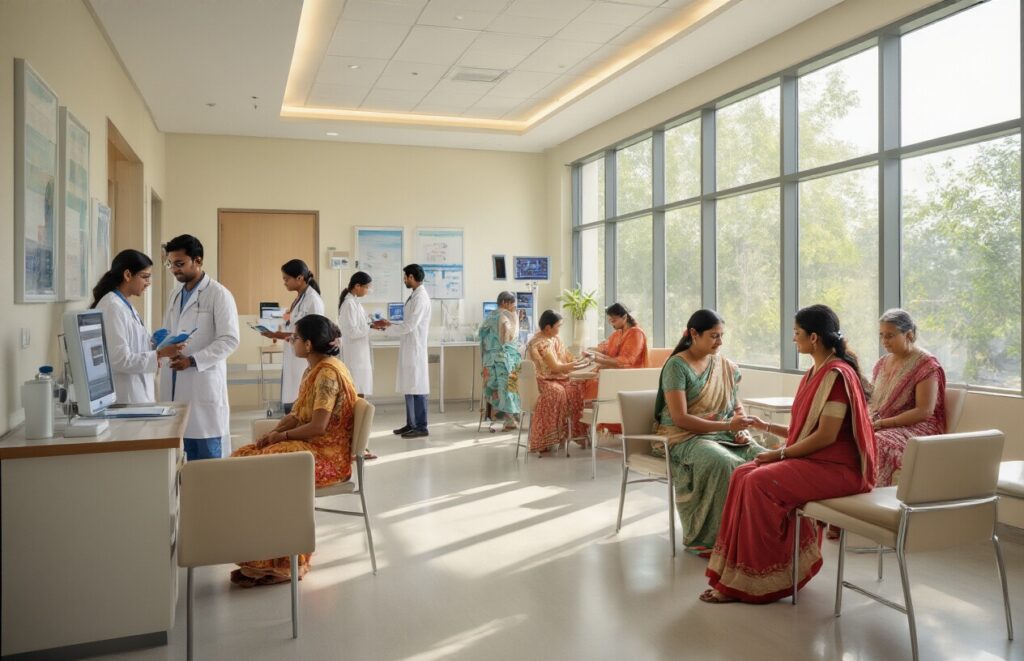
The reality is clear: India’s healthcare system is catching diseases far too late, and this pattern costs lives and money that could be saved. From inadequate healthcare infrastructure to patients who wait until symptoms become unbearable, multiple factors create a perfect storm for delayed diagnoses. The system’s focus on treatment over prevention, combined with limited access to quality healthcare in rural areas and low health literacy rates, keeps millions of people from getting the early intervention they desperately need.
But there’s hope on the horizon. Technology is already changing the game with telemedicine, AI-powered diagnostic tools, and mobile health apps that can reach even the most remote communities. Countries like Finland and Singapore have shown us what’s possible when governments prioritize prevention and make regular health screenings accessible to everyone. India needs to learn from these success stories and invest heavily in preventive care infrastructure, public health education, and technology solutions to detect diseases before they become life-threatening. The time to act is now – because preventing a disease will always be easier, cheaper, and more effective than treating it after it’s too late.