

Cancer cases in young Indians under 40 are climbing at an alarming rate, leaving families and medical experts searching for answers. This rise affects young professionals, new parents, and college students who never expected to face such serious health challenges so early in life.
If you’re a young adult in India, have family members under 40, or work in healthcare, understanding these trends could be life-saving. The statistics paint a concerning picture that demands immediate attention.
We’ll explore the lifestyle changes driving these cancer rates higher, from late-night work schedules to processed food habits that have become normal in modern Indian life. You’ll also learn about the environmental factors we encounter daily – from air pollution in major cities to chemical exposures many don’t realize pose real risks.
Finally, we’ll cover practical prevention strategies you can start using today, why early detection remains challenging for young Indians, and which genetic factors might put some people at higher risk than others.
Alarming Statistics Behind Rising Cancer Rates in Young Indians

Current data showing cancer incidence in the under-40 population
Recent studies reveal that nearly 27% of all cancer cases in India now occur in people under 40, a sharp increase from 19% just two decades ago. The Indian Council of Medical Research reports approximately 1.46 million new cancer cases annually, with young adults accounting for 400,000 diagnoses. This demographic shift represents one of the fastest-growing cancer populations globally.
Age-standardized incidence rates show a 3.2% annual increase in the 20-39 age group, which significantly exceeds global averages. Urban centers such as Mumbai, Delhi, and Bangalore report the highest concentrations, with rates 15% higher thanin rural areas. Early-onset cancers now affect 1 in every 68 young Indians.
Comparison with global trends and patterns
| Region | Under-40 Cancer Rate | Annual Growth |
| India | 27% of total cases | 3.2% |
| United States | 11% of total cases | 1.8% |
| Europe | 8% of total cases | 1.2% |
| East Asia | 15% of total cases | 2.4% |
India’s young adult cancer rates exceed global benchmarks by substantial margins. While Western countries exhibit gradual increases, India experiences exponential growth. European nations maintain stable rates below 10%, in contrast to India’s rising rates.
The acceleration timeline differs significantly: developed countries took 30 years to reach current levels, whereas India achieved similar increases within 15 years. This compressed timeframe suggests unique environmental and lifestyle factors specific to India’s period of rapid modernization.
Most common cancer types affecting young Indians
Breast cancer leads among young Indian women, comprising 28% of all female cases under 40. Cervical cancer follows at 22%, with thyroid cancer rapidly emerging at 18%. Male demographics show testicular cancer at 24%, followed by blood cancers, including leukemia and lymphomas, at 20%.
Colorectal cancer affects both genders equally, representing 15% of young adult diagnoses. Lung cancer, traditionally associated with older populations, now accounts for 12% of cases in the under-40 group. Oral and throat cancers remain significant, particularly in tobacco-consuming regions, affecting 16% of young adults.
Regional variations across Indian states
Northern states, including Punjab, Haryana, and Delhi, report the highest incidence rates, with Punjab leading at 98 cases per 100,000 young adults. Southern states like Kerala and Tamil Nadu show elevated breast and cervical cancer rates, while northeastern regions exhibit unique patterns of stomach and liver cancers.
Western states exhibit urban-rural disparities; Maharashtra’s metropolitan areas have double the rates of rural districts. Eastern states, including West Bengal and Odisha, exhibit distinct patterns associated with industrial exposure and dietary habits. Coastal regions consistently report higher thyroid cancer rates across all age groups.
Lifestyle Factors Accelerating Cancer Risk in Young Adults

Impact of sedentary work culture and reduced physical activity
Modern Indians spend countless hours engaged with screens, whether at office desks or on their phones. This dramatic shift from active lifestyles to prolonged sitting disrupts immune function and increases inflammation markers linked to cancer development. Physical inactivity also slows metabolism, affects hormone regulation, and reduces the body’s natural ability to repair DNA damage.
Rising consumption of processed and fast foods
Fast food chains and packaged meals have become dietary staples for busy young professionals. These ultra-processed foods contain preservatives, artificial additives, and high levels of refined sugars, which generate oxidative stress in cells. Regular consumption of processed meats, sugary beverages, and foods high in trans fats significantly elevates cancer risk, particularly for colorectal and stomach cancers.
Increased smoking and alcohol consumption patterns
Social drinking and smoking have become normalized stress-relief mechanisms among young Indians. Even moderate alcohol consumption increases cancer risk by producing acetaldehyde, a toxic compound that damages DNA and proteins. Combined with smoking, which introduces over 70 known carcinogens into the body, these habits create a perfect storm for cellular mutations that can trigger cancer development.
Sleep deprivation and chronic stress levels
Competitive work environments and social pressures keep young Indians running on minimal sleep and maximum stress. Chronic sleep deprivation weakens immune surveillance, the body’s natural cancer-fighting mechanism. High cortisol levels from persistent stress suppress immune function and promote inflammation, creating conditions where cancer cells can grow unchecked.
Environmental and Urban Pollution Contributing to Cancer Development
Air Quality Deterioration in Major Indian Cities
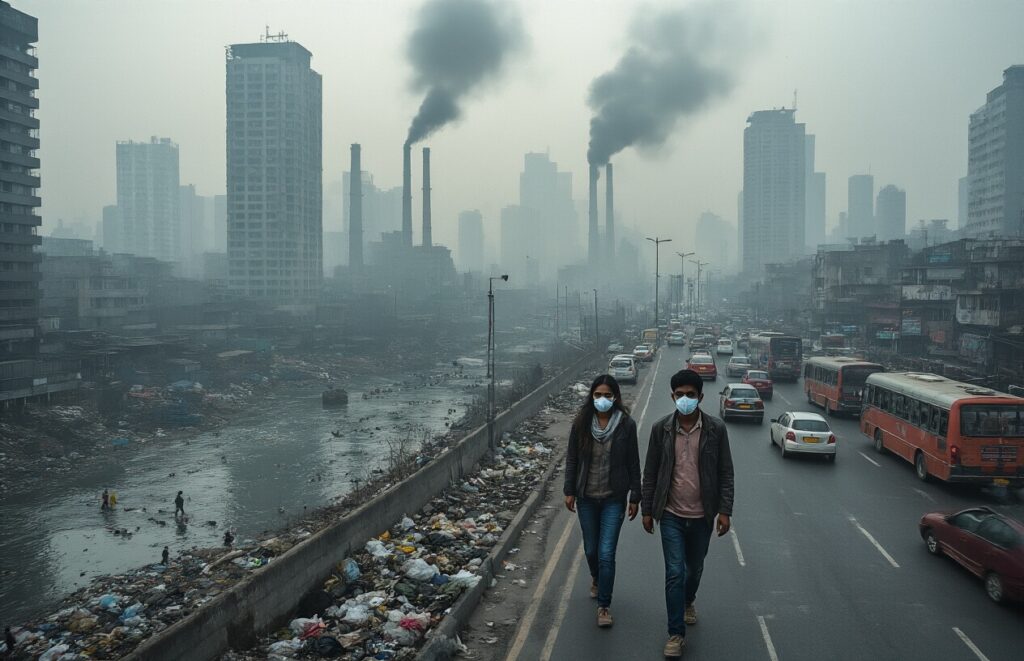
Delhi, Mumbai, and Kolkata consistently rank among the world’s most polluted cities, with PM2.5 levels often exceeding WHO safety limits by 5-10 times. These microscopic particles penetrate deep into lung tissue, triggering cellular mutations and inflammatory responses that can lead to lung, throat, and bladder cancers. Young professionals who spend hours in traffic-congested areas face particularly high exposure risks.
Water Contamination and Chemical Exposure Risks
Industrial waste and agricultural runoff contaminate groundwater across India, introducing heavy metals like arsenic, chromium, and lead into drinking water supplies. These carcinogens accumulate in body tissues over time, increasing the risk of kidney, liver, and stomach cancers. Urban areas also face pharmaceutical residues and plastic microparticles that disrupt endocrine balance and cellular function in young adults.
Occupational Hazards in Modern Workplaces
Tech hubs expose workers to electromagnetic radiation from electronic devices, whereas manufacturing sectors involve exposure to benzene, formaldehyde, and other industrial chemicals. Night shift patterns common in IT and call centers disrupt circadian rhythms, suppressing melatonin production and weakening immune responses. The construction and automotive industries pose additional risks through asbestos exposure and exposure to volatile organic compounds.
Delayed Detection and Awareness Challenges Among Young Indians

Misconception that cancer only affects older adults
Many young Indians carry the dangerous belief that cancer is strictly an “old person’s disease.” This widespread misconception creates a false sense of security among people in their 20s and 30s. When unusual symptoms appear, younger individuals often dismiss them as stress, lifestyle issues, or temporary health problems rather than potential warning signs of cancer.
Ignoring early warning signs and symptoms
Young adults frequently dismiss persistent fatigue, unexplained weight loss, or unusual lumps as normal aspects of busy modern life. The tendency to self-medicate or wait for symptoms to resolve naturally leads to critical delays in seeking medical attention. Unlike older adults who might be more health-conscious, younger people often prioritize work and social commitments over addressing concerning physical changes.
Limited access to preventive healthcare screenings
| Age Group | Common Screening Barriers | Impact |
| 20-30 years | Lack of insurance coverage, high costs | Delayed detection of early-stage cancers |
| 30-40 years | Limited workplace health benefits | Missing routine check-ups and preventive care |
Most preventive cancer screening programs target older populations, leaving young adults without structured access to early detection services. Private healthcare costs make regular screenings financially challenging for many young professionals. Even when screenings are available, young people rarely prioritize them unless they have a family history or obvious symptoms.
Cultural barriers preventing open health discussions
Traditional Indian families often avoid discussing health concerns, especially those related to sensitive body parts or reproductive systems. Young women may hesitate to report breast lumps or irregular periods, while men avoid discussing testicular or prostate-related symptoms. This cultural silence around health topics means cancer symptoms get ignored until they become severe enough to demand immediate medical attention, often when treatment options become more limited.
Genetic Predisposition and Family History Risk Factors

Understanding hereditary cancer syndromes in Indian populations
Indian populations carry specific genetic mutations that predispose them to certain cancers. BRCA1 and BRCA2 gene mutations, commonly associated with breast and ovarian cancers, exhibit distinct patterns in Indian families compared with Western populations. Lynch syndrome, responsible for colorectal cancers, also presents unique characteristics among Indian communities.
Importance of genetic counseling and testing
Genetic testing helps identify high-risk individuals before symptoms develop. Professional counselors guide families through complex genetic information, enabling informed decisions about screening protocols and preventive measures. Early identification through testing allows for personalized cancer prevention strategies and enhanced surveillance programs.
Impact of consanguineous marriages on cancer risk
Marriages between close relatives, still practiced in some Indian communities, increase the likelihood of inheriting recessive cancer-causing genes. Children from such unions face elevated risks of developing rare hereditary cancers. This practice concentrates genetic mutations within families, making comprehensive genetic screening even more critical for affected communities.
Prevention Strategies for Reducing Cancer Risk in Young Adults

Adopting healthy dietary habits and nutrition guidelines
A Mediterranean-style diet rich in antioxidants, omega-3 fatty acids, and fiber provides powerful protection against cancer development. Focus on consuming colorful vegetables, fruits, whole grains, lean proteins, and healthy fats while minimizing intake of processed foods, red meat, and excessive sugar. Include cancer-fighting foods like berries, leafy greens, turmeric, garlic, and green tea in daily meals.
Incorporating regular exercise and physical activity routines
Regular physical activity strengthens immune function and helps maintain a healthy body weight, both of which are critical for cancer prevention. Aim for 150 minutes of moderate-intensity exercise weekly, combining cardiovascular activities like brisk walking or cycling with strength training exercises. Even simple activities such as taking the stairs, parking farther away, or practicing yoga can significantly reduce cancer risk when practiced consistently.
Stress management techniques and mental health support
Chronic stress weakens the immune response and creates inflammatory conditions that promote cancer cell growth. Practice stress-reduction techniques, such as meditation, deep-breathing exercises, mindfulness, or regular journaling, to maintain emotional balance. Building strong social connections, seeking professional counseling when needed, and maintaining work-life boundaries are essential components of comprehensive cancer prevention strategies.
Creating toxin-free living environments
Reduce exposure to carcinogenic chemicals by choosing organic produce when possible, using natural cleaning products, and avoiding plastic food storage containers. Install air purifiers, ensure proper ventilation, and regularly test for radon levels in homes. Replace nonstick cookware with safer alternatives such as stainless steel or cast iron, and opt for personal care products free of parabens, sulfates, and synthetic fragrances.

Young Indians are facing a cancer crisis that demands immediate attention. The rising rates among those under 40 stem from a perfect storm of modern lifestyle choices, environmental pollution, genetic factors, and delayed detection. Fast-paced urban living, poor dietary habits, increased stress levels, and exposure to harmful pollutants are creating conditions where cancer can thrive in younger bodies.
The good news is that many of these risk factors are within our control. Regular health screenings, maintaining a balanced diet, staying physically active, managing stress, and being aware of family medical history can significantly reduce cancer risk. Young adults need to stop thinking cancer is an “older person’s disease” and start taking preventive measures seriously. Early detection saves lives, so don’t ignore persistent symptoms or skip routine check-ups. Your health today determines your tomorrow – make choices that protect your future.