


Don’t wait until you feel sick to take action. Many serious health conditions develop silently for years before causing noticeable symptoms, making early detection through regular screening your best defense against life-threatening diseases.
This guide is for adults of all ages who want to stay ahead of potential health problems rather than react once warning signs appear. Whether you’re in your 20s, thinking screening is unnecessary, or in your 50s, unsure what tests you actually need, you’ll find practical guidance to protect your health.
We’ll explore why waiting for symptoms puts you at serious risk and how many conditions remain hidden until they reach advanced stages. You’ll discover which screenings are most critical for your age group and life stage. Finally, we’ll tackle the real barriers that keep people from getting screened—from cost concerns to busy schedules—and help you create a realistic screening plan that fits your life.
Regular health screening isn’t just about catching problems early; it’s about giving yourself the best chance at a long, healthy life through smart prevention.
The Hidden Danger of Waiting for Symptoms to Appear

How diseases progress silently before symptoms manifest
Most serious health conditions operate like silent intruders, establishing themselves in your body months or even years before you feel anything wrong. Cancer cells multiply quietly, arteries gradually narrow with plaque buildup, and bones lose density without sending distress signals. Your pancreas might struggle to produce insulin for diabetes development, while blood pressure creeps upward without obvious warning signs.
The irreversible damage that occurs during the asymptomatic stages
During these hidden phases, permanent damage accumulates that can’t be undone once symptoms finally appear. Heart attacks often strike after 70% arterial blockage has already occurred. Cancer may spread to lymph nodes or distant organs before causing noticeable discomfort. Kidney disease can destroy up to 90% of function before symptoms emerge, leaving patients facing dialysis or transplant needs that earlier detection might have prevented completely.
Real-world consequences of delayed detection
Sarah discovered her breast cancer during a routine mammogram at age 45, requiring only a lumpectomy and short treatment course. Her sister waited until she felt a lump at 50, facing mastectomy and aggressive chemotherapy. Studies show cervical cancer deaths drop by 80% with regular screenings, while colonoscopies prevent 90% of colorectal cancers when polyps are caught early. Late-stage diagnoses often mean the difference between manageable treatment and life-altering interventions.
Why your body’s warning system isn’t always reliable
Your body’s alarm system evolved to handle immediate threats, not the slow-developing diseases common today. Pain receptors and symptoms typically do not activate until significant damage has occurred. Many organs have remarkable compensation abilities, masking problems until they reach critical stages. High blood pressure earns the nickname “silent killer” because it rarely causes symptoms until it causes strokes or heart attacks. Relying on symptoms means trusting a warning system that’s often too late.
The Life-Saving Power of Preventive Screening

How early detection transforms treatment outcomes
When diseases like cancer, diabetes, or heart disease are caught early, treatment options multiply dramatically. Stage 1 cancers often have cure rates exceeding 90%, while late-stage diagnoses drop survival chances significantly. Early intervention allows doctors to use less invasive procedures, targeted therapies, and preventive medications that can halt or reverse disease progression before irreversible damage occurs.
Reduced healthcare costs through prevention vs treatment
Preventive healthcare in India is significantly more affordable compared to the cost of treating advanced diseases. For instance, a colonoscopy in India typically costs around ₹5,000–₹15,000, but it can help detect early signs of colon cancer—treatment for which can exceed ₹5–₹15 lakhs depending on severity and hospital type.
Similarly, routine health checks, such as blood pressure monitoring and cholesterol screening, can cost as little as ₹500–₹2,000 annually. These simple tests play a crucial role in preventing serious conditions like heart attacks, where emergency treatment, surgeries such as angioplasty or bypass, and rehabilitation can easily cost ₹2–₹6 lakhs or more.
In short, investing in preventive care not only protects health but also avoids substantial financial burden in the long run.
Peace of mind and improved quality of life
Regular health screenings eliminate the anxiety of uncertainty about your health status. Knowing your numbers – blood pressure, cholesterol, blood sugar – empowers you to make informed lifestyle choices. Even when screenings detect issues, early awareness enables gradual lifestyle adjustments rather than sudden, emergency changes, allowing you to maintain your daily routine while protecting your long-term health.
Most Critical Health Screenings You Need by Age
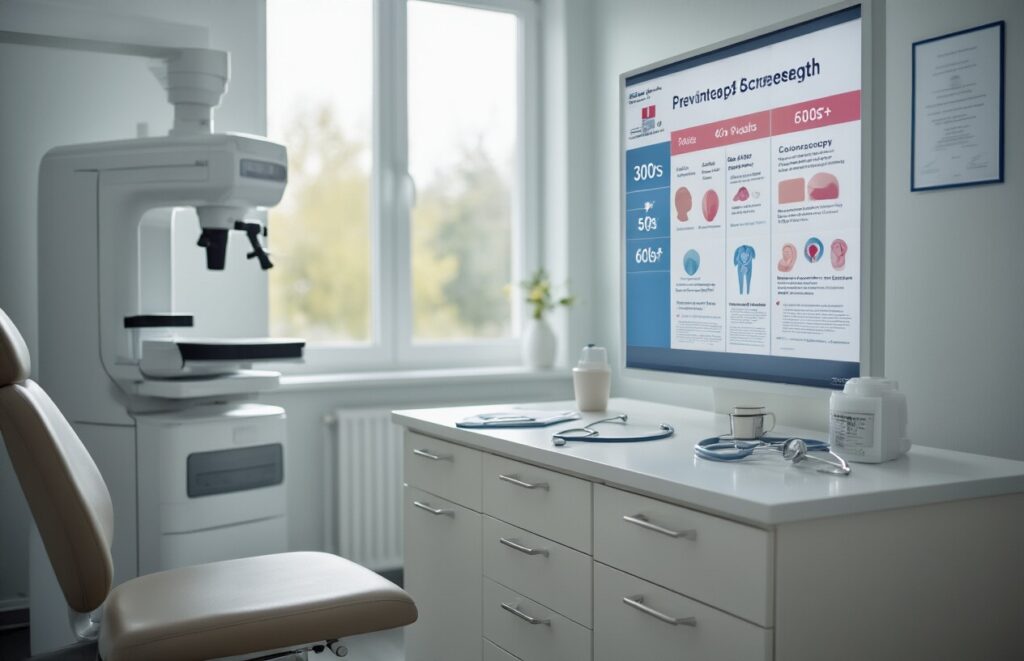
Essential screenings for your 20s and 30s
During your twenties and thirties, establishing baseline health metrics sets the foundation for lifelong wellness monitoring. Blood pressure checks every two years help catch hypertension early, while cholesterol screening identifies cardiovascular risks before symptoms appear. Annual STI testing remains crucial for sexually active adults, and women should begin cervical cancer screening with Pap smears every three years starting at age 21.
Skin cancer screening is increasingly important as cumulative UV exposure increases. Monthly self-examinations, combined with annual dermatologist visits, can detect melanoma in its earliest, most treatable stages. Don’t overlook dental health either—regular cleanings and oral cancer screenings prevent minor issues from becoming major problems down the road.
Expanded screening requirements for your 40s and 50s
Your forties mark a turning point when screening frequency intensifies, and new tests become available. Mammograms become annual necessities for women starting at 40, while colonoscopy screening begins at 45 for most adults. Blood sugar testing for diabetes should be performed every three years, and bone density scans help women assess osteoporosis risk as estrogen levels decline.
Men face their own age-specific challenges, with prostate cancer screening discussions typically starting around 50. Eye exams are becoming more frequent to detect glaucoma and macular degeneration early. Heart disease screening intensifies with stress tests and advanced lipid panels, especially for those with family history or existing risk factors like high blood pressure or diabetes.
Comprehensive monitoring is needed after 60
After age 60, screening schedules compress as age-related health risks increase rapidly. Annual mammograms, colonoscopies every ten years (or more frequently based on findings), and regular bone density scans become non-negotiable. Vision and hearing tests shift to annual appointments as sensory decline accelerates, directly impacting quality of life and safety.
Regular mental status evaluations support cognitive health monitoring during routine visits. Fall prevention assessments become critical as balance issues increase fracture risks. Blood work now includes vitamin B12 and vitamin D levels, while medication reviews help prevent dangerous drug interactions that become more common with multiple prescriptions.
Gender-specific screenings that save lives
Women’s health screening extends beyond reproductive organs to include breast, ovarian, and cervical cancer detection. HPV testing combined with Pap smears increases cervical cancer detection rates significantly. Breast self-exams, clinical breast exams, and mammography work together as a comprehensive early detection system. BRCA gene testing may be recommended for those with strong family histories of breast or ovarian cancer.
Men’s screening priorities center on prostate health, testicular cancer detection, and cardiovascular disease prevention. PSA blood tests combined with digital rectal exams help catch prostate cancer early when treatment outcomes are most favorable. Testicular self-exams are particularly important for men under 35, as testicular cancer peaks in younger demographics. Abdominal aortic aneurysm screening becomes critical for men over 65, especially those with smoking histories.
Overcoming Common Barriers to Regular Health Screening

Addressing cost concerns and insurance coverage options
Financial concerns keep many people from preventive screenings, but most insurance plans cover recommended screenings at 100%. Check your benefits summary or call your provider to understand what’s included. Many community health centers offer sliding-scale fees based on income, and some pharmacies provide basic screenings, such as blood pressure checks, at no cost.
Finding time in your busy schedule for health appointments
Busy schedules don’t have to derail your health. Many clinics now offer early-morning, evening, and weekend appointments to fit your schedule. Consider combining screenings into one visit when possible, or schedule them during lunch breaks. Some employers offer on-site health screenings, and telehealth consultations can save travel time for follow-up discussions.
Conquering fear and anxiety about medical procedures
Medical anxiety affects millions, but knowledge reduces fear. Ask your doctor to explain each step of the screening process beforehand. Bring a friend for support, practice deep breathing exercises, or listen to music during procedures. Remember that most screenings are quick and painless, and early detection always beats dealing with advanced disease later.
Choosing the right healthcare provider for your needs
Finding the right provider makes all the difference in your screening experience. Look for doctors who listen to your concerns, explain procedures clearly, and respect your time. Check online reviews, ask friends for recommendations, and don’t hesitate to switch providers if you’re not comfortable with the current one. Many specialists focus specifically on preventive care and screenings.
Creating Your Personal Screening Action Plan

Working with your doctor to establish a screening timeline
Start by scheduling a comprehensive conversation with your primary care physician about your personal risk factors, family history, and current health status. Your doctor will help create a customized screening schedule based on your age, genetics, lifestyle, and medical history. This personalized approach ensures you receive the most relevant tests at the right intervals, rather than relying on generic guidelines that may miss important risk factors.
Setting reminders and tracking your health appointments
Set up automated reminders only in your phone or calendar app 6 months before each scheduled screening, so you have time to book appointments. Keep a simple tracking system, whether digital or paper-based, that records your screening dates, results, and next due dates. Many healthcare apps can sync with your provider’s system to automatically update your screening schedule and send timely notifications.
Preparing effectively for each screening visit
Research each screening in advance so you know what to expect and can follow any prep instructions carefully. Bring a list of current medications, recent symptoms, and family health updates to share with your healthcare provider. Prepare questions about your results and next steps in advance, as this helps you make the most of your appointment time and ensures you clearly understand your health status.

Waiting for symptoms to show up is like waiting for smoke to tell you there’s a fire – by then, the damage might already be done. Regular health screenings catch problems early when they’re most treatable, giving you the best shot at staying healthy and living longer. The key screenings for your age group aren’t just suggestions from your doctor – they’re your first line of defense against serious health issues that often develop silently.
Don’t let cost, fear, or a busy schedule keep you from taking control of your health. Most insurance plans cover preventive screenings, and many community health centers offer affordable options. Start by talking to your healthcare provider about which screenings you need based on your age, family history, and risk factors. Create a simple calendar reminder system and treat these appointments like any other important commitment in your life – because honestly, nothing is more important than your health.