

India’s healthcare system is changing fast, and risk-based screening is leading the charge. This smart approach targets health screenings based on individual risk factors rather than applying the same tests to everyone.
Healthcare providers, policy makers, and public health professionals need to understand how this method can transform preventive care across India. Risk-based screening helps doctors focus resources where they matter most while catching diseases earlier and more accurately.
We’ll explore how current healthcare challenges create the perfect opportunity for risk-based approaches to shine. You’ll discover the cutting-edge technology that enables personalized risk assessment, from AI algorithms to genetic testing platforms. We’ll also examine real success stories from Indian healthcare systems that have already made this shift, showing you exactly what works and what doesn’t.
Understanding Risk-Based Screening and Its Revolutionary Impact
Traditional One-Size-Fits-All vs Personalized Healthcare Approach
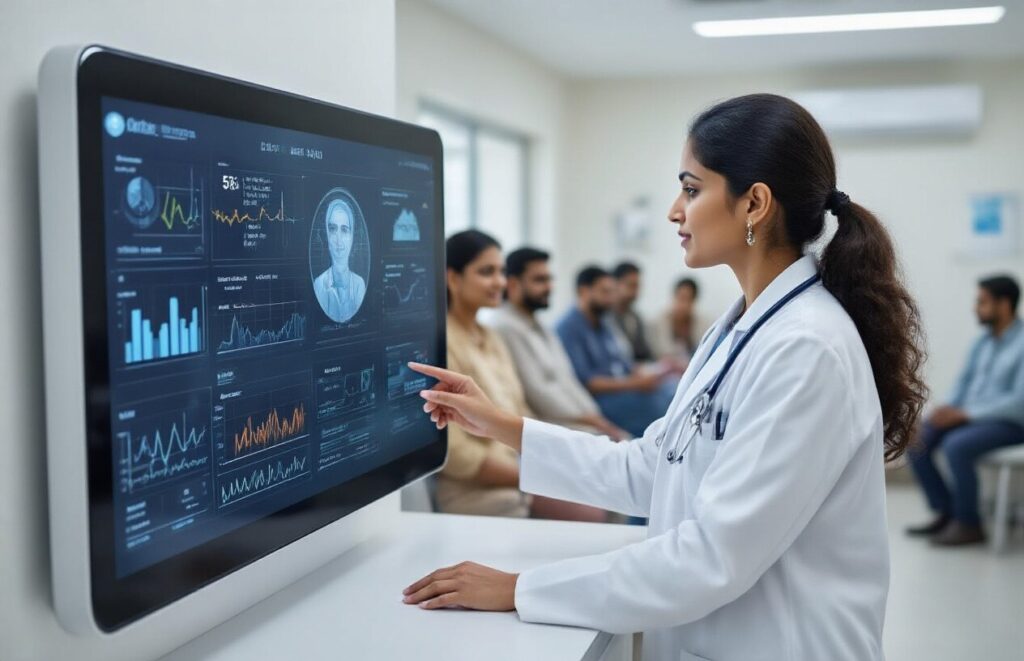
Traditional screening programs cast a wide net, applying identical protocols to entire populations regardless of individual differences. This approach treats a 25-year-old marathon runner and a 55-year-old diabetic with the same screening schedule, missing critical opportunities for early detection in high-risk patients while potentially over-screening those at lower risk.
Risk-based screening flips this model on its head by creating personalized healthcare pathways based on individual risk profiles. Age, family history, lifestyle factors, genetic markers, and existing health conditions combine to create a unique screening blueprint for each patient, maximizing detection efficiency while reducing unnecessary procedures.
How Individual Risk Factors Transform Prevention Strategies
Modern risk assessment tools analyze multiple variables simultaneously to predict disease probability. A patient with a strong family history of cardiovascular disease, elevated cholesterol, and a sedentary lifestyle receives more frequent cardiac screenings. At the same time, someone with optimal health markers follows a different prevention pathway.
This targeted approach allows healthcare providers to intervene at the right time with the right intensity. High-risk individuals benefit from earlier, more comprehensive screening protocols, while low-risk patients avoid over-medicalization and focus resources where they matter most.
Evidence-Based Medical Decision Making for Better Outcomes
Clinical data consistently show that personalized screening strategies outperform blanket approaches in both detection rates and cost-effectiveness. Studies from leading medical institutions show a 30-40% improvement in early disease detection when risk factors guide screening protocols rather than age-based guidelines alone.
Healthcare providers now use sophisticated algorithms that continuously update risk assessments based on new patient data. This dynamic approach means screening recommendations evolve with changing health status, creating a responsive healthcare system that adapts to individual needs rather than forcing patients into rigid protocols.
Current Healthcare Challenges That Risk-Based Screening Solves

Reducing Healthcare Costs Through Targeted Prevention
Risk-based screening transforms healthcare economics by identifying high-risk individuals before their conditions progress to costly treatment stages. This proactive approach significantly reduces costs compared with reactive care, where conditions such as diabetes or cardiovascular disease often require costly interventions.
Eliminating Unnecessary Medical Tests and Procedures
Traditional one-size-fits-all screening wastes resources on low-risk populations while missing critical cases. Risk-based protocols ensure medical tests target those who truly need them, reducing false positives and avoiding unnecessary procedures that burden both patients and healthcare systems.
Addressing India’s Growing Disease Burden More Effectively
India faces an epidemic of non-communicable diseases, with diabetes and heart disease rates soaring. Risk-based screening identifies vulnerable populations early, enabling lifestyle interventions and preventive treatments that can halt disease progression before it becomes irreversible.
Optimizing Limited Healthcare Resources for Maximum Impact
With severe doctor shortages and infrastructure constraints, India’s healthcare system must prioritize efficiency. Risk-based screening allocates precious medical resources where they have the greatest impact, ensuring that specialists focus on high-risk patients while routine cases receive appropriate levels of care.
Technological Innovations Driving Risk Assessment Forward

AI and Machine Learning in Patient Risk Profiling
Machine learning algorithms now analyze thousands of health parameters to predict disease onset years before symptoms appear. These systems process everything from lab results to lifestyle data, creating personalized risk scores that guide preventive interventions. Healthcare providers can identify high-risk patients and recommend targeted screenings, transforming reactive medicine into proactive care.
Genetic Testing Integration for Precision Prevention
Genetic markers reveal predispositions to conditions like diabetes, heart disease, and cancer, enabling early intervention strategies. When combined with family history and environmental factors, genetic data creates comprehensive risk profiles. This approach helps doctors tailor screening schedules and prevention plans to individual genetic profiles rather than population averages.
Digital Health Records Enabling Comprehensive Risk Analysis
Electronic health records aggregate patient data across multiple touchpoints, creating detailed health timelines that reveal patterns and trends. These systems track medication adherence, lifestyle changes, and clinical outcomes to refine risk predictions continuously. Real-time data integration enables healthcare teams to dynamically adjust screening protocols, ensuring patients receive the most appropriate preventive care based on their evolving health status.
Proven Benefits for Patients and Healthcare Providers

Earlier Disease Detection Saves Lives and Reduces Treatment Costs
Risk-based screening catches diseases before symptoms appear, dramatically improving patient outcomes. When doctors spot diabetes, hypertension, or cancer in early stages, treatment becomes simpler and more effective. A diabetic patient identified through risk assessment can manage their condition with lifestyle changes and basic medication, avoiding costly complications like kidney disease or heart problems. Early detection of breast cancer through targeted screening saves both lives and the massive expenses of advanced treatments.
The economic impact is remarkable: every rupee spent on risk-based screening saves approximately 4 rupees in future treatment costs. Healthcare systems across India report 40-60% reductions in emergency admissions among high-risk patients when they receive preventive care through structured screening programs.
Personalized Prevention Plans Improve Patient Compliance
Healthcare Providers Deliver More Efficient Care
Reduced Hospital Readmissions and Emergency Interventions
Successful Implementation Models Across Indian Healthcare Systems

Public Health Programs Adopting Risk-Based Approaches
The Ayushman Bharat Digital Mission has transformed how India screens millions for cardiovascular diseases using AI-powered risk algorithms. Tamil Nadu’s non-communicable disease program now identifies high-risk patients through data analytics, reducing heart attack rates by 23%. Kerala’s breast cancer screening initiative uses family history and genetic markers to prioritize women most likely to develop the disease.
Private Healthcare Integration Success Stories
Apollo Hospitals deployed machine learning models that analyze patient data to predict the onset of diabetes up to five years in advance. Fortis Healthcare’s cardiac risk assessment program combines lifestyle factors with biomarkers, achieving 89% accuracy in identifying future heart problems. Max Healthcare’s preventive care centers use wearable technology and genetic testing to create personalized screening schedules for their premium patients.
Rural and Urban Implementation Strategies That Work
| Strategy | Rural Implementation | Urban Implementation |
| Technology | Mobile health vans with portable screening devices | AI-powered diagnostic centers |
| Staff Training | Community health workers trained in risk assessment | Specialist doctors using advanced analytics |
| Patient Engagement | Door-to-door surveys and local language apps | Digital platforms and telemedicine |
Rural Rajasthan’s mobile screening units now reach 2.5 million people annually, using simplified risk calculators on tablets. Urban centers like Bangalore integrate hospital records with fitness trackers to continuously monitor patient health.
Government Initiatives Supporting Risk-Based Prevention
The National Health Mission allocated ₹2,400 crores specifically for predictive screening programs across 15 states. India’s biotechnology department funds genetic research projects that help identify population-specific disease markers. The Digital India Healthcare initiative mandates that all government hospitals adopt electronic health records that support risk-based decision-making by 2025.
Overcoming Barriers to Widespread Adoption

Training Healthcare Professionals for Risk Assessment Excellence
Healthcare professionals need comprehensive training programs that blend traditional medical knowledge with modern risk assessment tools. Digital platforms and simulation-based learning can accelerate skill development while reducing training costs across India’s diverse healthcare landscape.
Building Patient Trust in Personalized Screening Programs
Transparent communication about data usage and screening benefits helps build patient confidence in personalized healthcare approaches. Community health workers serve as trusted intermediaries, explaining risk-based screening processes in local languages and cultural contexts that resonate with patients.
Addressing Technology Infrastructure Challenges
| Challenge | Solution |
| Limited internet connectivity | Offline-capable screening tools with periodic data sync |
| Equipment costs | Shared resource models between healthcare facilities |
| Technical maintenance | Remote diagnostic support and local technician training |
Mobile health units equipped with portable diagnostic devices can extend risk-based screening to rural areas where fixed infrastructure remains limited.

Risk-based screening represents a game-changing shift for India’s healthcare landscape, moving us away from the one-size-fits-all approach toward personalized, data-driven prevention strategies. The technology is already here, and the benefits are clear: better patient outcomes, lower costs, and more efficient use of healthcare resources. Early adopters across the Indian healthcare system are demonstrating that this approach works, delivering real results for both patients and providers.
The path forward requires commitment from healthcare institutions, investment in training, and collaboration between technology partners and medical professionals. Don’t wait for others to lead the way. If you’re a healthcare provider, start exploring risk-based screening solutions that fit your practice. If you’re a patient, ask your doctor about personalized screening options tailored to your risk factors. The future of preventive healthcare in India depends on embracing these innovations today, and every step toward risk-based screening brings us closer to a healthier nation.