

Late diagnosis costs Indian families everything—their savings, their futures, and often their loved ones. This guide is for healthcare advocates, policymakers, patients, and families who want to understand why India urgently needs earlier screening programs and how delayed detection is quietly bankrupting households and the healthcare system.
When diseases like cancer, diabetes, and heart conditions go undetected for months or years, the financial damage spreads far beyond medical bills. Families sell homes, children drop out of school, and breadwinners become patients instead of providers. Meanwhile, our hospitals are strained by advanced cases that could have been prevented.
We’ll explore the crushing financial impact on Indian families struggling with late-stage diagnoses and uncover the hidden economic burden that’s quietly draining our healthcare system. You’ll also discover proven early screening success stories from around the world and learn actionable steps to advance earlier detection programs in your community.
The real cost of late diagnosis isn’t just measured in rupees—it’s measured in lives that could have been saved and futures that didn’t have to be lost.
Current State of Disease Diagnosis in India
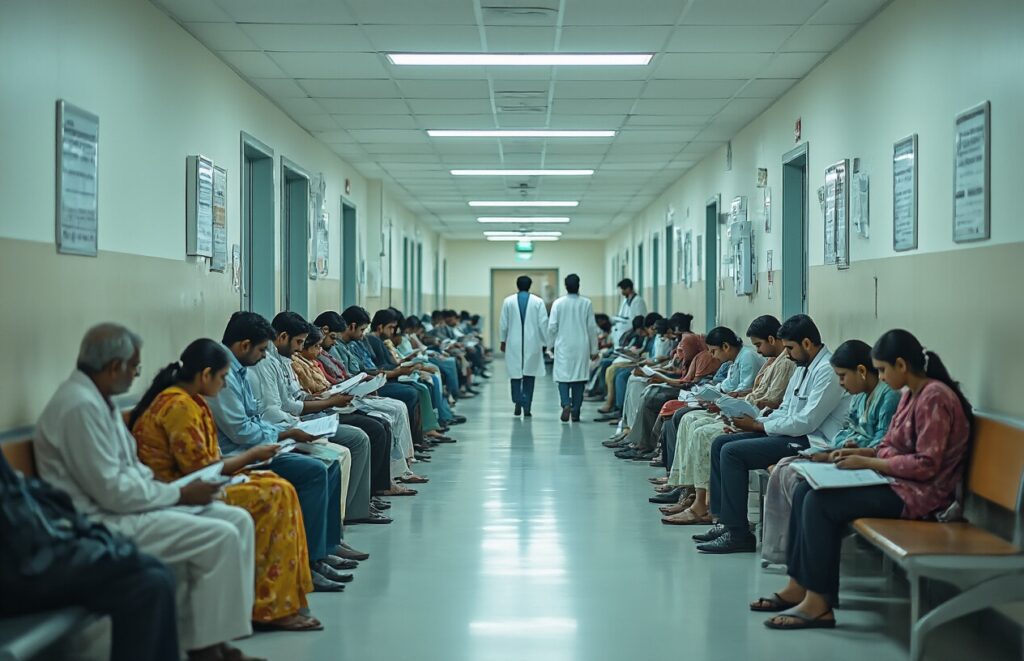
Average time between symptom onset and proper diagnosis
Most patients in India wait 6-12 months between first symptoms and accurate diagnosis for serious conditions like cancer, diabetes, and heart disease. This delay often stems from patients initially visiting general practitioners who lack specialized diagnostic tools, followed by referrals to multiple specialists before a definitive diagnosis is reached.
Most commonly delayed diagnoses affecting the Indian population
Cancer, particularly breast and cervical cancer in women, faces the longest diagnostic delays, often taking 8-14 months from symptom onset. Diabetes and hypertension remain undiagnosed for years, with many patients discovering these conditions only during routine health checkups or emergency hospitalizations for complications.
Regional disparities in diagnostic capabilities
Urban centers such as Mumbai, Delhi, and Bangalore offer advanced diagnostic facilities within 24-48 hours, whereas in rural areas, patients may need to travel hundreds of kilometers for basic tests. Tier-2 and Tier-3 cities fall somewhere in between, often having basic diagnostic equipment but lacking specialists to accurately interpret complex results.
Healthcare infrastructure limitations impacting early detection
Public hospitals face severe equipment shortages, with many CT scanners and MRI machines remaining non-functional for months due to maintenance issues. Private healthcare, while better equipped, remains financially inaccessible to 70% of the population, creating a two-tiered system where early detection depends heavily on economic status rather than medical necessity.
Financial Impact of Late Diagnosis on Patients and Families
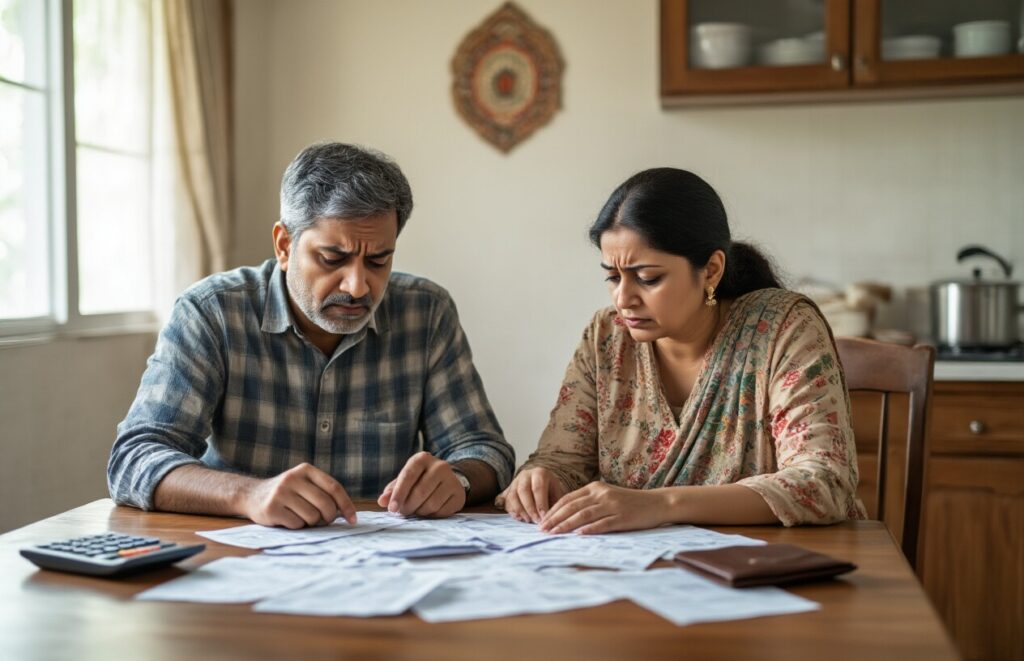
Advanced treatment costs versus early intervention expenses
Late-stage disease treatment costs spiral dramatically compared to the costs of early detection. Cancer patients diagnosed at advanced stages face treatment bills exceeding ₹15-20 lakhs, while early screening costs are under ₹5,000. Diabetes complications requiring dialysis or amputation cost ₹2-5 lakhs annually, whereas preventive screenings and early management cost less than ₹10,000 yearly.
Loss of income due to prolonged illness and disability
Families lose primary breadwinner income during extended treatment periods, often lasting months or years. Advanced cancer or heart disease patients become unable to work, forcing family members to quit jobs for caregiving. This double financial hit – medical expenses plus income loss – pushes middle-class families into poverty, with average household income dropping by 60-80% during treatment phases.
Out-of-pocket healthcare expenditure burden on households
| Disease Stage | Average Treatment Cost | Insurance Coverage | Out-of-pocket Expense |
| Early Stage | ₹50,000-2,00,000 | 70-80% | ₹15,000-60,000 |
| Advanced Stage | ₹10,00,000-30,00,000 | 40-50% | ₹5,00,000-18,00,000 |
Indian families spend 62% of their annual income on advanced disease treatment, often selling assets or borrowing at high interest rates. Rural households incur additional transportation and accommodation costs when seeking specialized urban care, raising treatment expenses by ₹1-2 lakhs.
Hidden Economic Burden on India’s Healthcare System
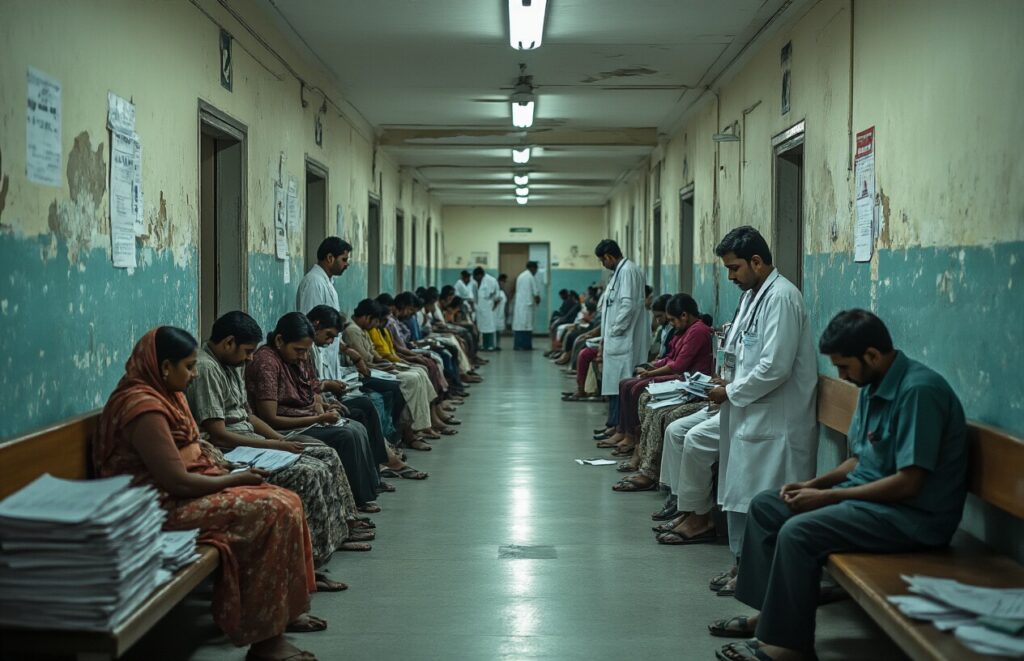
Increased hospital admissions and intensive care requirements
Advanced-stage diseases requiring emergency interventions flood India’s hospitals daily. Cancer patients diagnosed at Stage III or IV need extensive chemotherapy, radiation, and surgical procedures that could have been prevented through early detection. Cardiovascular emergencies from undiagnosed diabetes and hypertension consume ICU beds for weeks, creating bottlenecks that affect other critical patients.
Resource allocation inefficiencies in treating advanced diseases
Late-stage treatments require specialized equipment, rare medications, and highly trained staff, all of which remain concentrated in major cities. A single advanced cancer case consumes resources equivalent to screening hundreds of people. Rural patients traveling to urban centers for complex procedures strain both transportation networks and metropolitan healthcare facilities, creating geographic disparities in care quality.
Strain on the medical infrastructure and specialist availability
Oncologists and cardiologists spend most of their time managing preventable complications rather than focusing on complex cases that truly need their expertise. Emergency departments overflow with diabetic ketoacidosis and heart attack patients whose conditions could have been managed through routine screening. This reactive approach leaves little time for preventive care programs.
Long-term care costs for preventable complications
Dialysis centers are operating at capacity, treating patients with kidney disease whose conditions had progressed undetected for years. Stroke survivors require months of rehabilitation services, while amputees from diabetic complications need prosthetics and ongoing wound care. These cascading costs multiply exponentially compared to the minimal investment required for regular health screenings and early intervention programs.
Life-Changing Consequences of Delayed Medical Detection
Reduced Survival Rates and Treatment Success Outcomes
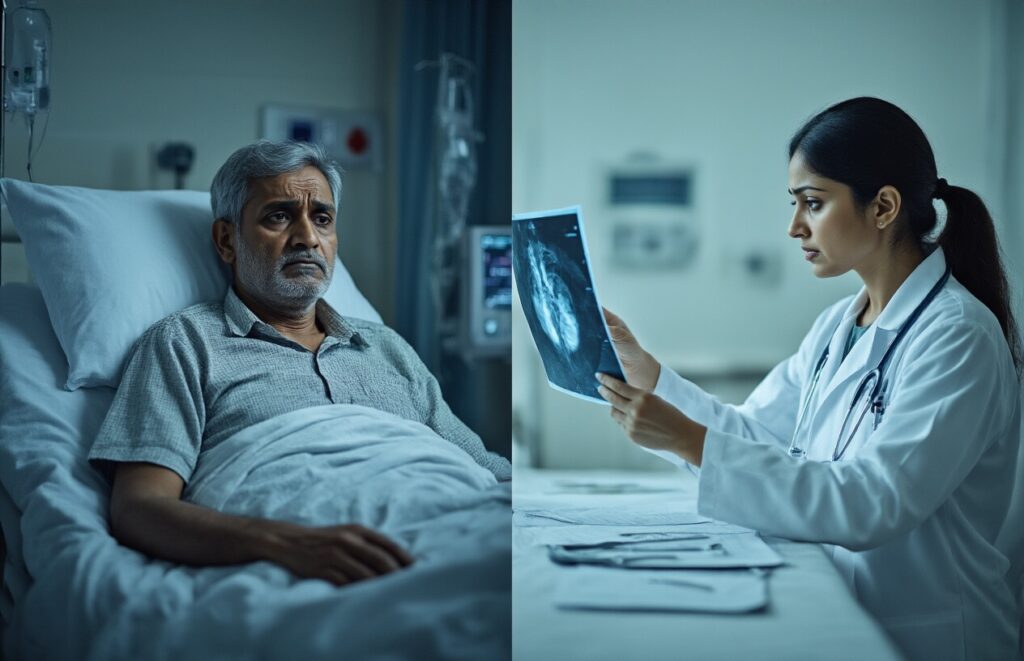
When diseases are caught late, survival chances drop dramatically. Cancer patients diagnosed at stage IV have survival rates often below 20%, while early-stage detection can boost survival to over 90%. Heart disease detected during emergencies leads to permanent damage that could have been prevented with routine screenings.
Quality of Life Deterioration for Patients and Caregivers
Late diagnosis forces families into survival mode rather than living mode. Patients face aggressive treatments with severe side effects, while caregivers abandon careers and social connections. Simple daily activities become impossible, and the entire family structure changes as everyone revolves around managing advanced disease complications.
Preventable Disabilities and Long-Term Health Complications
Delayed detection creates disabilities that early intervention could have avoided completely. Diabetic patients develop blindness and amputations, stroke victims lose mobility and speech, and kidney disease progresses to dialysis dependency. These complications multiply healthcare costs and create lifelong dependencies that burden both families and society.
Psychological Impact on Families Facing Advanced Diagnoses
Advanced diagnoses trigger intense psychological trauma across entire families. Parents blame themselves for missing early signs, children develop anxiety disorders, and marriages strain under financial and emotional pressure. The shift from hope to survival creates lasting mental health issues that persist long after treatment ends, requiring additional psychological support services.
Proven Benefits of Early Screening Programs Worldwide

Cost-effectiveness of preventive healthcare models
Countries implementing early screening programs demonstrate remarkable cost savings over time. The UK’s cervical cancer screening program prevents approximately 70% of cases while costing only £5 per woman screened annually. Similarly, mammography programs in Nordic countries show a 3:1 return on investment, with every dollar spent on screening saving three dollars in treatment costs. These models prove that upfront screening investments generate substantial long-term healthcare savings.
Australia’s bowel cancer screening initiative reduced treatment costs by 40% within five years of implementation. Population-based screening programs consistently outperform reactive healthcare approaches, creating sustainable economic benefits while improving public health outcomes across entire populations.
Improved patient outcomes through timely intervention
Early detection transforms disease trajectories dramatically. Breast cancer caught in stage 1 has a 99% five-year survival rate compared to 27% for stage 4 diagnoses. Japan’s gastric cancer screening program achieves 90% early-stage detection rates, resulting in survival rates exceeding 95%. These programs don’t just extend life—they preserve quality of life by enabling less invasive treatments.
Patients diagnosed early require fewer hospitalizations, shorter treatment periods, and maintain better functional capacity throughout their treatment journey. The psychological benefits are equally significant, with early-stage patients experiencing lower anxiety levels and better treatment adherence rates.
Reduced disease progression and complication rates
Systematic screening programs interrupt disease progression before irreversible damage occurs—Denmark’s diabetic retinopathy screening reduced blindness rates by 58% within a decade. Cardiovascular screening programs in Finland decreased heart attack rates by 35% through early identification and lifestyle interventions.
Cancer screening programs consistently demonstrate their ability to catch pre-cancerous conditions, preventing malignancy altogether. Colorectal screening identifies and removes polyps before they become cancerous, reducing cancer incidence by up to 60%. These interventions stop diseases in their tracks rather than managing advanced complications.
Specific Diseases Where Early Screening Saves Lives and Money
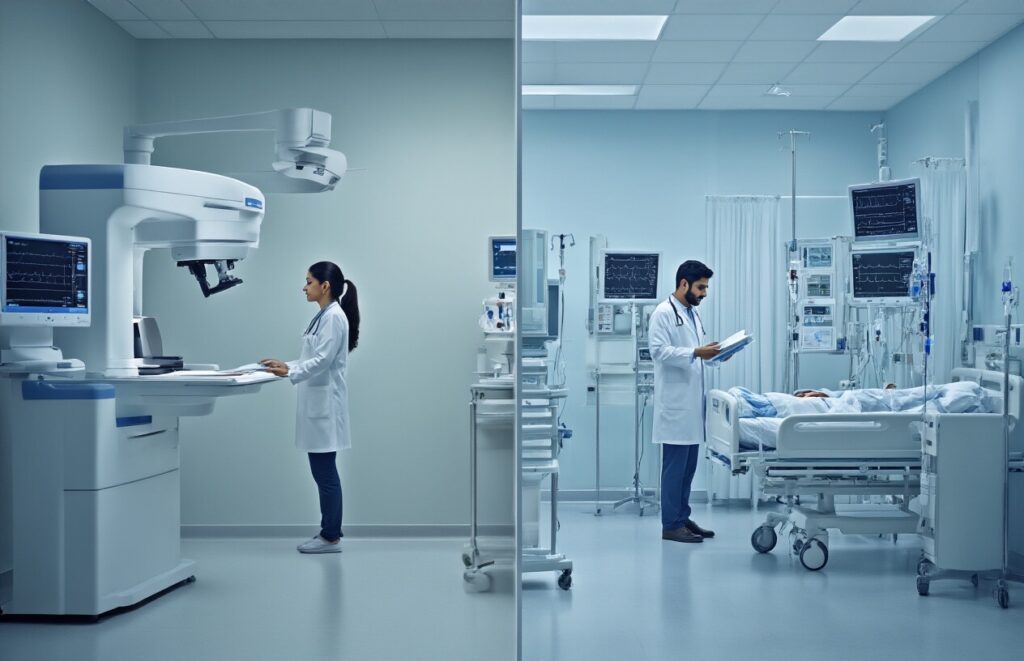
Cancer-detection programs are achieving remarkable success rates.
Cervical cancer screening through Pap smears has reduced mortality rates by 80% in countries with established programs. India’s pilot HPV vaccination and screening initiatives in states like Punjab show detection rates jumping from 15% to 67% for precancerous lesions. Breast cancer mammography programs identify tumors at Stage I instead of Stage III, cutting treatment costs from ₹15 lakhs to ₹3 lakhs per patient.
Diabetes and cardiovascular disease prevention strategies
Regular HbA1c testing catches prediabetes before full-blown diabetes develops, preventing complications that cost families an average of ₹2.5 lakhs annually. Blood pressure monitoring programs in Kerala reduced stroke incidents by 40% over five years. Simple lipid profile checks identify cardiovascular risk early, enabling lifestyle interventions that reduce the need for costly cardiac procedures later.
Mental health screening reduces long-term treatment needs.
Depression screening in primary care settings identifies cases requiring basic counseling instead of intensive psychiatric treatment. Early intervention programs for anxiety disorders show 70% success rates with short-term therapy versus chronic medication dependence. Adolescent mental health checks prevent severe conditions that typically require years of treatment, costing families upwards of ₹10 lakhs.
Infectious disease control through proactive testing
Tuberculosis contact tracing and screening prevent community spread, reducing treatment duration from 18 months to 6 months. HIV testing programs identify cases before AIDS develops, keeping treatment costs at ₹15,000 yearly instead of ₹2 lakhs for advanced care. Hepatitis B screening in high-risk populations prevents liver cirrhosis complications that require transplants costing ₹25-40 lakhs.
Actionable Steps to Implement Earlier Screening in India

Government policy changes are needed for widespread screening.
The Union Health Ministry needs to expand screening programs beyond diabetes and hypertension to include screening for cancer and cardiovascular disease. State governments should mandate health insurance coverage for preventive screenings and establish screening centers in tier-2 and tier-3 cities. Policy reforms must also standardize screening protocols across public and private healthcare systems while creating incentives for hospitals to prioritize early detection over treatment-focused revenue models.
Technology solutions are making screening more accessible.
Mobile health units equipped with portable diagnostic tools can reach remote villages where traditional healthcare infrastructure remains limited. AI-powered screening apps and telemedicine platforms enable primary health workers to conduct preliminary assessments and connect patients with specialists in real time. Digital health records integrated across the healthcare system ensure screening results follow patients throughout their medical journey, preventing duplicate tests and missed follow-ups.
Community awareness campaigns are driving early detection adoption.
Grassroots campaigns that leverage local influencers and community health workers can educate families about the benefits of screening in regional languages. Social media platforms and WhatsApp groups raise awareness of free government screening programs and address cultural myths that deter people from seeking preventive care. Corporate partnerships with employers can normalize workplace health screenings, making early detection part of routine employee benefits rather than an emergency response.
The current healthcare landscape in India faces a major challenge that affects millions of families every year. When diseases go undetected for too long, patients end up paying much higher treatment costs, families struggle with financial burdens, and the entire healthcare system feels the strain. The evidence is clear – catching diseases early through regular screening programs can literally save lives while keeping treatment costs manageable.
Countries around the world have already shown us the way forward. Early screening programs for cancer, diabetes, heart disease, and other conditions have dramatically improved patient outcomes while reducing overall healthcare spending. India has the opportunity to follow this proven path by making screening more accessible and starting it earlier in people’s lives. The time to act is now – whether it’s pushing for policy changes, advocating for better healthcare access in your community, or simply scheduling those overdue health check-ups for yourself and your loved ones. Every step toward earlier detection is a step toward a healthier, more financially secure future for all of us.