

A PET-CT scan for cancer screening combines two powerful imaging technologies to detect cancer cells before symptoms appear, but it’s not right for everyone. This advanced screening method is primarily designed for high-risk individuals, cancer survivors, and people with specific medical histories that put them at greater risk for developing cancer.
If you’re wondering whether you should consider PET-CT screening, you’re likely dealing with factors like a strong family history of cancer, a previous cancer diagnosis, or concerning symptoms that need further investigation. We’ll explore who makes the best candidates for this type of screening and walk through the specific risk factors that might make PET-CT worth discussing with your doctor. You’ll also learn how to weigh the benefits against potential drawbacks to make the best decision for your health situation.
Understanding PET-CT Scan Technology and Its Cancer Detection Capabilities
How PET-CT combines metabolic and anatomical imaging for superior accuracy
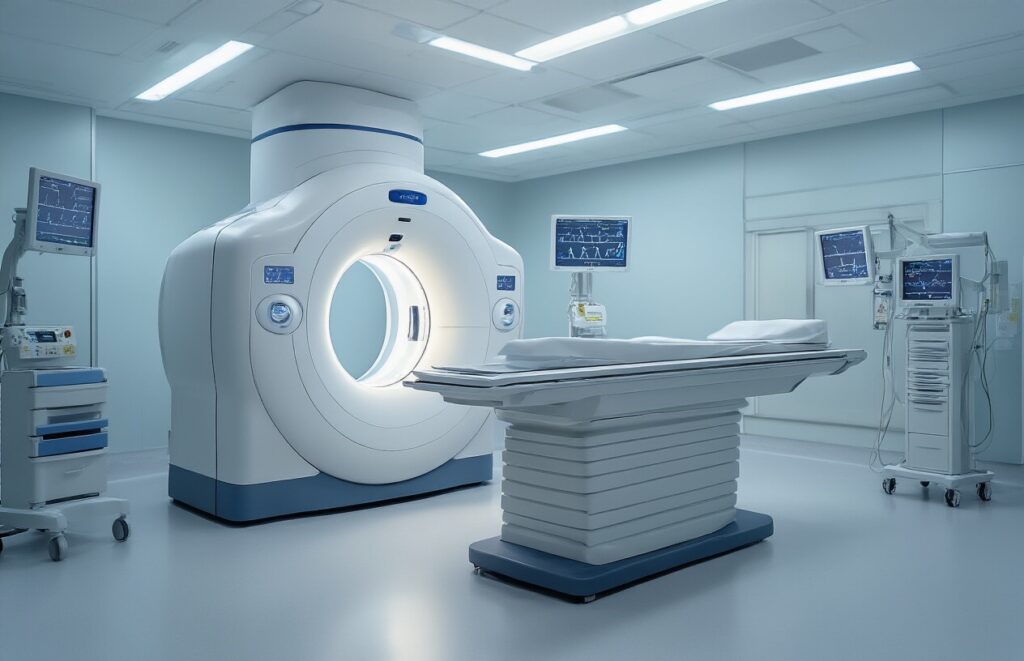
PET-CT technology combines two powerful imaging techniques into a single comprehensive scan. The PET component tracks radioactive glucose as it travels through your body, revealing areas of high metabolic activity, a characteristic of cancer cells. Meanwhile, the CT scan provides detailed anatomical pictures, showing the exact locations of organs and tissues.
Enhanced detection of cancer cells through glucose uptake patterns
Cancer cells consume glucose at much higher rates than healthy tissue, making them light up brightly on PET scans. This metabolic signature allows doctors to spot even small tumors that might otherwise go undetected by other imaging methods. The glucose tracer reveals active cancer growth before structural changes become visible on traditional scans.
Ability to identify cancer spread and metastasis throughout the body
| Feature | PET-CT Capability |
| Whole-body scanning | Single exam covers the entire body |
| Metastasis detection | Identifies cancer spread to lymph nodes, organs |
| Staging accuracy | Precise determination of cancer extent |
| Treatment monitoring | Tracks response to therapy |
Superior precision compared to traditional imaging methods
PET-CT outperforms individual CT or MRI scans by combining metabolic and structural information. While CT shows anatomy and MRI reveals tissue details, PET-CT adds the crucial element of cellular activity. This triple advantage helps doctors distinguish between scar tissue and active cancer, leading to more accurate diagnoses and better treatment planning for patients.
High-Risk Individuals Who Should Prioritize PET-CT Cancer Screening

People with a strong family history of cancer require proactive monitoring
Genetic predisposition plays a significant role in cancer development, making family history one of the strongest indicators for increased screening needs. If multiple relatives have been diagnosed with cancer, especially at young ages or with the same cancer types, your risk increases significantly. PET-CT scans can detect cancers before they become symptomatic, offering opportunities for early intervention that dramatically improve treatment outcomes.
Individuals with previous cancer diagnoses need comprehensive surveillance
Cancer survivors face heightened risks of recurrence and secondary cancers, making regular monitoring essential for long-term health management. PET-CT technology excels at detecting metabolic changes that indicate cancer activity throughout the body, not just at the original tumor site. This whole-body approach helps catch potential problems early, when treatment options are most effective, and survival rates are highest.
Patients with unexplained symptoms suggesting potential malignancy
Persistent symptoms like unexplained weight loss, chronic fatigue, recurring fevers, or unusual lumps warrant thorough investigation when standard tests prove inconclusive. PET-CT scans can reveal cancer activity that other imaging methods might miss, particularly in cases where tumors are small or located in challenging anatomical areas. The scan’s ability to show metabolic activity helps distinguish between benign and malignant conditions, providing clarity when symptoms don’t match typical disease patterns.
Specific Medical Conditions That Warrant PET-CT Evaluation

Suspicious findings on conventional imaging require further investigation
When CT or MRI reveals abnormal masses or lesions, PET-CT provides crucial metabolic information to distinguish benign from malignant tissue. This hybrid imaging approach helps doctors avoid unnecessary biopsies and surgical procedures by accurately characterizing suspicious findings based on glucose uptake patterns.
Monitoring treatment response in ongoing cancer therapy
PET-CT scans provide real-time assessment of tumor response to chemotherapy, radiation, or immunotherapy. Unlike traditional imaging that measures size changes, PET-CT detects metabolic activity shifts within days or weeks, allowing oncologists to modify treatment plans quickly when therapies aren’t working effectively.
Pre-surgical planning for optimal tumor removal strategies
Before complex cancer surgeries, PET-CT helps surgeons map tumor boundaries and identify hidden metastases that might change surgical approaches. This detailed roadmap ensures complete tumor removal while preserving healthy tissue, significant for brain, liver, and lung cancers, where precision is critical.
Detecting cancer recurrence after successful treatment
Cancer survivors benefit from PET-CT monitoring because it can detect recurrent disease months before conventional imaging shows visible changes. Early detection of recurrence opens more treatment options and improves long-term survival rates, making regular PET-CT surveillance valuable for high-risk cancer survivors.
Evaluating unexplained weight loss or persistent fatigue
When patients experience significant unexplained weight loss, chronic fatigue, or other cancer-related symptoms without a clear cause, PET-CT can reveal hidden malignancies throughout the body. This whole-body screening approach helps identify cancers in early stages when symptoms are vague but concerning enough to warrant a comprehensive evaluation.
Age and Lifestyle Factors That Increase Cancer Screening Recommendations

Adults over 50 with multiple risk factors benefit from early detection
Cancer risk increases significantly after age 50, making this demographic a prime candidate for PET-CT screening. When combined with additional risk factors like family history, genetic predisposition, or previous cancer diagnosis, adults in this age group can catch potentially life-threatening malignancies before symptoms appear. The comprehensive nature of PET-CT technology allows for simultaneous detection of multiple cancer types throughout the body.
Heavy smokers and former smokers requiring lung cancer surveillance
Current and former smokers face dramatically elevated lung cancer risks, with those who quit still maintaining increased vulnerability for decades. PET-CT scans excel at identifying small lung nodules and distinguishing between benign and malignant tissue. Annual screening protocols have proven effective for individuals with significant smoking histories, particularly those with 20+ pack-year smoking exposure who continue smoking or quit within the past 15 years.
Individuals with occupational exposure to carcinogens need regular monitoring
Workers exposed to asbestos, radiation, chemicals, or industrial toxins require vigilant cancer surveillance throughout their careers and beyond. PET-CT screening helps detect occupation-related malignancies like mesothelioma, bladder cancer, and various sarcomas before they become symptomatic. Regular monitoring protocols should be established based on specific exposure types, duration, and intensity of workplace carcinogen contact.
Making an Informed Decision About PET-CT Screening

Consulting with oncologists to assess individual risk factors
Your doctor knows your medical history better than anyone, and they’re the best person to help you figure out if PET-CT screening makes sense for your situation. They’ll review your family history, prior health conditions, and current symptoms to create a personalized risk assessment. Some people with strong family histories of cancer or genetic predispositions might benefit more from early screening than others.
Weighing potential benefits against radiation exposure risks
PET-CT scans do expose you to ionizing radiation – roughly equivalent to several years of natural background radiation. While this amount is generally considered safe for most adults, repeated scans over time can add up. The key is balancing this small risk against the potential benefit of catching cancer early, when treatment is most effective. For high-risk individuals, the benefits typically outweigh the radiation concerns.

PET-CT scans offer powerful cancer detection capabilities that can be life-changing for the right candidates. This advanced imaging technology works best for people with elevated cancer risks – those with strong family histories, previous cancer diagnoses, or concerning symptoms that need investigation. Your age, lifestyle choices like smoking or excessive drinking, and existing medical conditions all play essential roles in determining whether this screening makes sense for your situation.
The decision to get a PET-CT scan shouldn’t be taken lightly, but it also shouldn’t be avoided when you genuinely need it. Talk openly with your doctor about your personal risk factors and health concerns. They can help you weigh the benefits against the costs and radiation exposure to decide if PET-CT screening is proper for you. Early detection saves lives, and for many high-risk individuals, this technology provides peace of mind and the chance to catch cancer when it’s most treatable.